​بریتانیا ارسال واسطه برای میانجیگری به ایران را تکذیب کرد

روحانی: حاضر نیستیم به اسم مذاکره کنار میز تسلیم بنشینیم

​بریتانیا ارسال واسطه برای میانجیگری به ایران را تکذیب کرد
TT

​بریتانیا ارسال واسطه برای میانجیگری به ایران را تکذیب کرد

​بریتانیا ارسال واسطه برای میانجیگری به ایران را تکذیب کرد

خبرگزاری رویترز به نقل از منابع بریتانیایی نوشت لندن هیچ واسطه ای برای میانجیگری به ایران نفرستاده‌است. این خبر درحالی مخابره شده‌است که پبش از این یک مقام مسئول ایرانی خبر داده بود که لندن برای میانجیگری در مورد توقیف کشتی بریتانیایی واسطه ای به تهران فرستاده‌است.
به گزارش الشرق الاوسط، این منبع همچنین گفته‌است: «اطلاعی از ارسال هرگونه نمایندگانی به عنوان واسطه یا میانجیگر به ایران نداریم».
محمد محمدی گلپایگانی رئیس دفتر رهبر ایران امروز با لحنی تمسخرآمیز به دخالت‌های بریتانیا در امور ایران در دوره استعمار اشاره کرده بود.
خبرگزاری تسنیم از قول او گفته بود: «کشوری که زمانی در ایران وزیر و وکیل تعیین می‌کرد، کارش به جایی رسیده که واسطه می‌فرستند و خواهش می‌کنند کشتی را آزاد کنید».
او اطلاعات بیشتری دربارهٔ این «واسطه» نداده‌است.
تنش میان ایران و بریتانیا پس از توقیف نفتکش بریتانیایی «استینا ایمپیرو» توسط ایران در روز جمعه گذشته به اوج خود رسیده‌است.
در همین رابطه، حسن روحانی رئیس‌جمهور ایران، چهارشنبه دوم مرداد در جلسهٔ هیئت دولت گفت که حکومت ایران مدافع مذاکرهٔ عادلانه و منصفانه است، اما، «حاضر نیست به اسم مذاکره کنار میز تسلیم بنشیند.»
حسن روحانی گفته‌است اگر برخی از کشورهای اروپایی از «اقدامات خلاف» خود از جمله توقیف کشتی متعلق به ایران در جبل طارق دست بردارند ایران پاسخ متناسبی به آن‌ها خواهد داد.
او در همین حال گفت اگر در فرصت ۶۰ روزه بعدی اروپا دست به اقدامی در جهت حفظ برجام نزند، ایران گام سوم کاهش تعهدات برجامی خود را به‌اجرا خواهد گذاشت.
روحانی بار دیگر تأکید کرده‌است که کاهش تعهدات تهران به برجام موقتی است و چنانچه طرف‌های مقابل به تعهدات خود عمل کنند رژیم ایران نیز کاهش تعهداتش را نسبت به این توافق متوقف می‌کند.
قرار است یکشنبه بیست و هشتم ژوئیه کشورهای اروپایی امضاکنندهٔ برجام به اضافهٔ چین و روسیه در وین با نمایندگان تهران برای «نجات» برجام با یکدیگر ملاقات و گفتگو کنند. این نشست که به ریاست اروپا برگزار خواهد شد مسائل مربوط به اجرای همه جانبهٔ این توافق را بررسی خواهد کرد.
روحانی در ادامه تأکید کرد: «البته در این زمینه کشورهایی هم واسطه هستند و مکاتبات و تماس‌هایی در حال انجام است و همه بدانند که هرگز فرصت مذاکره را از دست نخواهیم داد.»
از سوی دیگر، شرکت استینا بالک، مالک نفتکش توقیف شده بریتانیایی در ایران گفته‌است که برای اولین بار از زمان توقیف این کشتی در روز جمعه گذشته توانسته با خدمه آن تماس مستقیم برقرار کند.
این شرکت روز چهارشنبه ۲۴ ژوییه (دوم مرداد) در بیانیه‌ای اعلام کرد که در این تماس که سه‌شنبه شب برقرار شده، ناخدای کشتی گفته‌است که خدمه همه سالم هستند و «همکاری خوبی با نفرات ایرانی حاضر در کشتی دارند.»
بریتانیا ۱۳ تیر / ۴ ژوئیه نفتکش «گریس ۱» متعلق به ایران را که در حال انتقال دو میلیون و ۱۰۰ هزار بشکه نفت خام به بندر «بانیاس» در سوریه بود، به دلیل دور زدن تحریم‌های اتحادیه اروپا علیه سوریه توقیف کرد.
دادگاه عالی جبل‌طارق ۲۸ تیر / ۱۹ ژوئیه توقیف نفتکش «گریس ۱» را تا ۸ شهریور / ۳۰ اوت سال جاری تمدید کرد.
روز جمعه ۲۸ تیر (۱۹ ژوییه) چهار قایق سپاه پاسداران به همراه یک هلی‌کوپتر، این نفتکش را که با پرچم بریتانیا و ۲۳ خدمه در حال عبور از تنگه هرمز بود، توقیف کردند.
ایران می‌گوید این نفتکش به دلیل «رعایت نکردن قوانین و مقررات بین‌المللی دریایی» توقیف شده، اما بریتانیا این اتهام را رد کرده و اقدام ایران را تلافی‌جویانه خوانده‌است.


لماذا يشعر الناس بأنهم أفقر بينما الاقتصاد ينمو؟

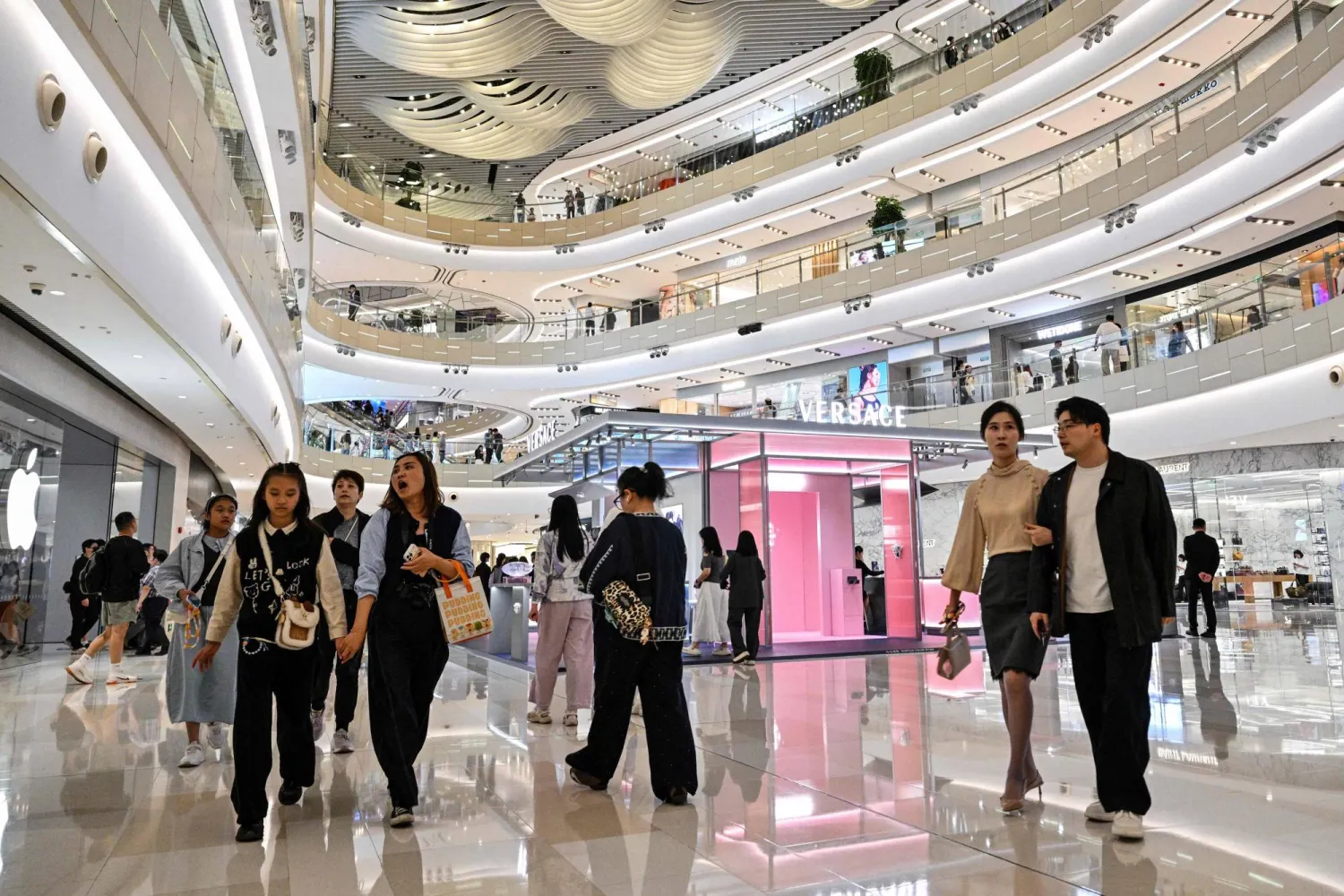
متسوقون في مركز تجاري بمدينة شنغهاي الصينية (أ.ف.ب)
TT

لماذا يشعر الناس بأنهم أفقر بينما الاقتصاد ينمو؟

متسوقون في مركز تجاري بمدينة شنغهاي الصينية (أ.ف.ب)

هناك شيء لا يستقيم في الاقتصاد العالمي اليوم.

الأرقام تقول إن الاقتصادات تنمو، والإنتاج يرتفع، والتكنولوجيا تحقق قفزات غير مسبوقة، والثروات الخاصة تبلغ مستويات قياسية. لكن ملايين الناس لا يعيشون هذا الازدهار بالطريقة التي توحي بها التقارير الاقتصادية. بالنسبة إليهم، الاقتصاد الذي «ينمو» هو اقتصاد ترتفع فيه بدلات الإيجارات، وتزداد تكلفة الطعام والطاقة، ويصبح شراء منزل أكثر صعوبة، ويحتاج الراتب إلى جهد أكبر و«تقليم أظفار» لكي يكمل رحلة الوصول إلى نهاية الشهر.

هنا تكمن المعادلة الغريبة في الاقتصاد الحديث: يمكن للاقتصاد أن يصبح أكثر ثراءً، فيما يشعر الفرد بأنه أصبح أفقر.

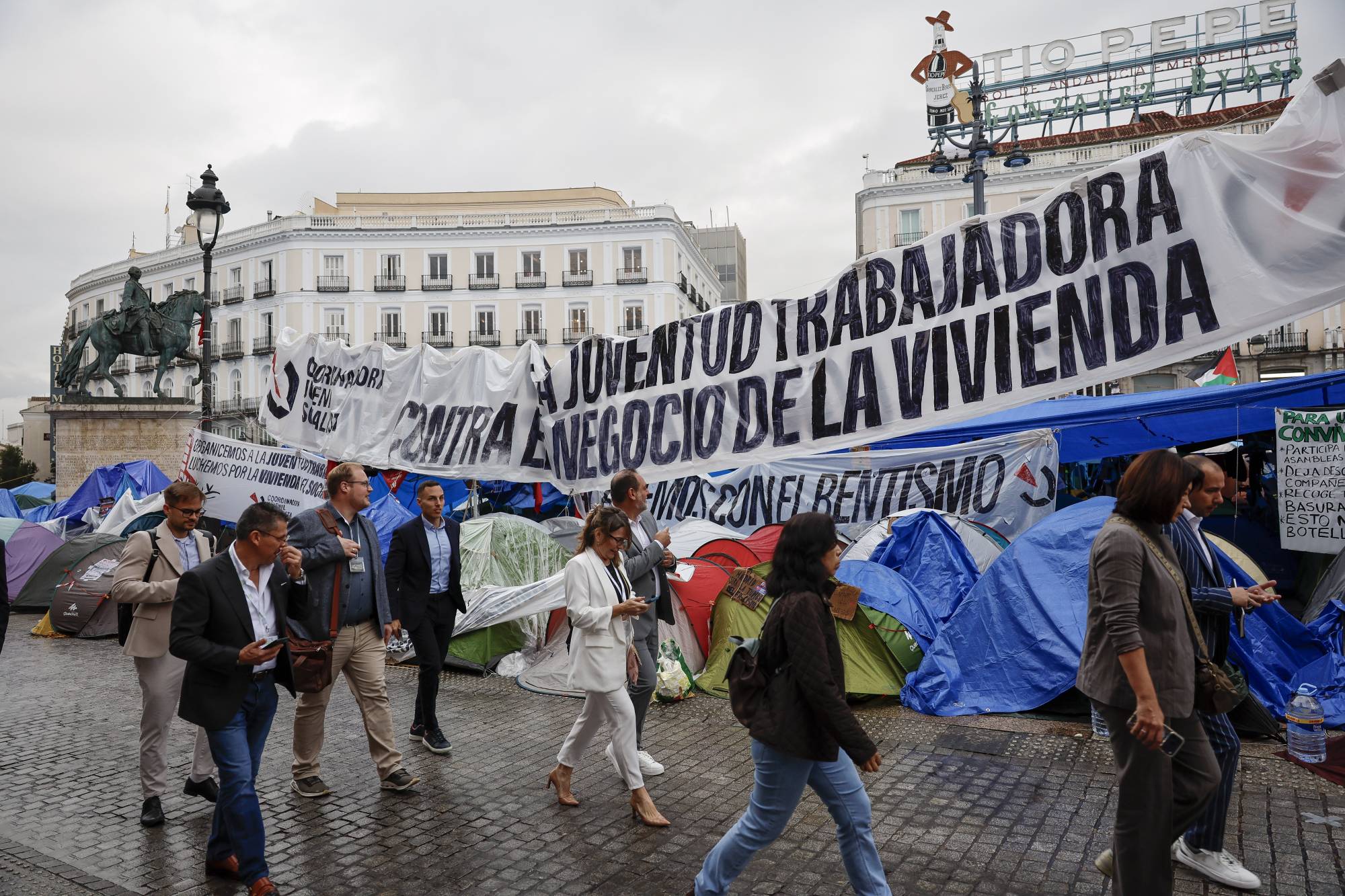
مخيم احتجاجي بشأن مشكلة الإسكان في ساحة «بويرتا ديل سول» بمدريد. وقد أدى إجلاء امرأة تبلغ من العمر 87 عاماً من منزلها المستأجر إلى خروج الناس في جميع أنحاء إسبانيا إلى الشوارع للاحتجاج على أزمة الإسكان المستمرة (إ.ب.أ)

* الناتج والواقع

المشكلة أن الناتج المحلي الإجمالي، على أهميته، لا يكفي لقياس هذه التجربة؛ فهو يقيس قيمة ما ينتجه الاقتصاد من سلع وخدمات، لكنه لا يحدّد بالضرورة من حصل على ثمار هذا الإنتاج، ولا كم يستطيع العامل أو الموظّف العادي أن يشتري براتبه، ولا ما إذا كان يستطيع تحمّل تكلفة منزل أو تعليم أولاده، أو مواجهة مرض مفاجئ.

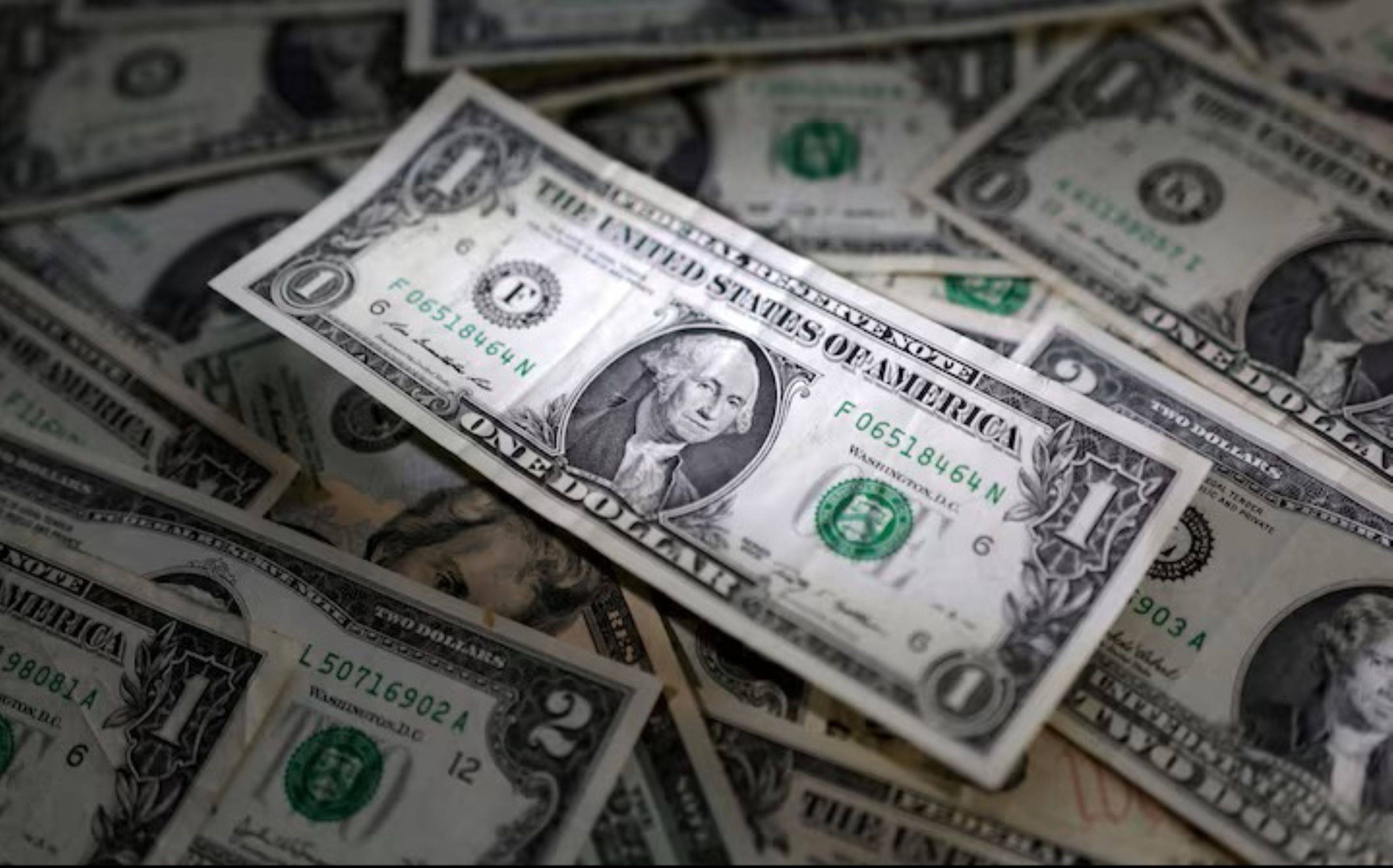
ففي الولايات المتحدة، على سبيل المثال، بلغ متوسط دخل الأسرة الأميركية 87,460 دولاراً في عام 2025، وهو مستوى قياسي بعد احتساب التضخم. وللوهلة الأولى تبدو الصورة إيجابية. لكن هذه الزيادة الحقيقية لم تتجاوز 2.5 في المائة مقارنة بعام 2019؛ أي خلال 6 سنوات كاملة. وللمقارنة، ارتفع دخل الأسرة الوسيط الحقيقي بنحو 19 في المائة خلال السنوات الست السابقة لعام 2019.

بمعنى آخر، الأميركي اليوم قد يكسب أكثر من الناحية الاسمية، لكن الطريق إلى تحسين مستوى معيشته أصبح أكثر وعورة.

وهذه ليست مشكلة أميركية فقط؛ ففي أوروبا، ارتفعت أسعار المنازل في الاتحاد الأوروبي بنسبة 53 في المائة بين عامي 2010 و2024، فيما ارتفعت بدلات الإيجارات بنسبة 25 في المائة خلال الفترة نفسها. وفي 2024، كانت الأسر الأوروبية تنفق في المتوسط 19 في المائة من دخلها المتاح على السكن. وترتفع النسبة إلى 37 في المائة لدى الأسر ذات الدخل المنخفض.

وفي فرنسا، وهي من أكبر اقتصادات أوروبا، تظهر المفارقة بصورة أكثر وضوحاً؛ فقد خسرت الأسرة المكونة من 4 أشخاص، في المتوسط، نحو 1,200 يورو سنوياً من قدرتها الشرائية بين عامي 2024 و2026، وفق تقديرات حديثة. كما تراجعت الأجور الحقيقية بنحو 2 في المائة منذ 2019.

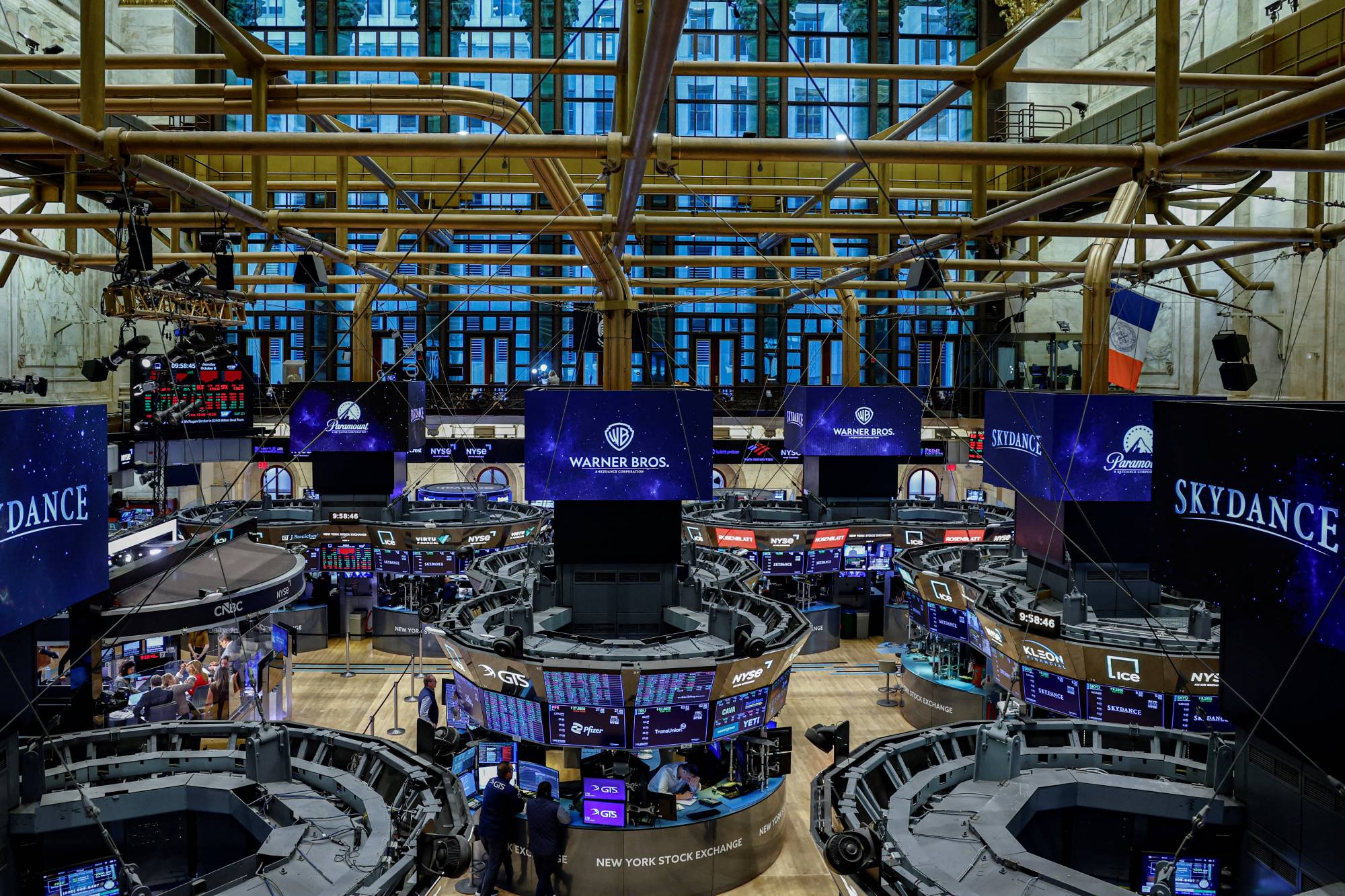
البورصات من أماكن تركّز الثروة في أيدي أعضاء «نادي النخبة» (رويترز)

وهذا يفسر لماذا لا تكفي عبارة «النمو الاقتصادي» لإقناع الناس بأن أوضاعهم تتحسن.

فالإنسان لا يشتري طعامه وملبسه بالناتج المحلي الإجمالي. ولا يدفع فاتورة الكهرباء بمعدل النمو. ولا يسدد إيجاره بمؤشر البورصة؛ إنه يدفع بدخله.

* مشكلة الأجور الحقيقية

هنا تأتي المشكلة الثانية: الأجور الحقيقية.

تشير منظمة التعاون الاقتصادي والتنمية إلى أن الأجور الحقيقية بدأت تتحسن مجدداً في العديد من البلدان، لكنها لا تزال، في عدد كبير منها، دون المستوى الذي كانت ستبلغه لو لم تضرب موجة التضخم العالم منذ عام 2022. وفي الربع الأول من 2026، بلغ متوسط نمو الأجور الحقيقية 2.2 في المائة في دول المنظمة، مقارنة بـ2.7 في المائة في الفترة نفسها من العام السابق.

أي إن المعركة لم تنتهِ بانخفاض التضخم؛ فالأسعار التي ارتفعت بقوة لا تعود من تلقائها إلى مستوياتها السابقة عندما ينخفض معدل التضخم. وإذا ارتفع السعر من 100 إلى 130، ثم تباطأ التضخم، فهذا لا يعني أن السعر عاد إلى 100، إنه يعني فقط أن الارتفاع أصبح أبطأ.

وهذا التفصيل البسيط هو أحد أسباب سوء الفهم الكبير بين الاقتصاديين والمواطنين؛ فالاقتصادي قد يقول: «التضخم يتراجع»، أما المواطن فيقول: «لكن الأسعار لا تزال مرتفعة». وكلاهما على حق.

* مفارقة قاسية

في لبنان، على سبيل المثال أيضاً، تبدو المفارقة أكثر قسوة، لأن الأزمة لم تكن مجرد مشكلة في القدرة الشرائية، بل حصل انهيار مالي ونقدي واجتماعي شامل.

فبعد أن سجل الاقتصاد اللبناني نمواً حقيقياً نسبته 4.2 في المائة في 2025، كان يمكن النظر إلى ذلك بوصفه بداية تعافٍ بعد سنوات من الانهيار. لكن البنك الدولي يتوقع أن ينكمش الاقتصاد 6.4 في المائة في 2026 نتيجة تجدد الصراع وتداعياته على الاستهلاك والاستثمار والسياحة والبنية التحتية. كما يتوقع أن يبلغ التضخم 17.5 في المائة هذا العام، خصوصاً أن الميزان التجاري اللبناني يميل بقوّة نحو الواردات.

وأفاد صندوق النقد الدولي، في سبتمبر (أيلول) 2026، بأن التضخم في لبنان لا يزال في خانة العشرات، وأن التطورات الأمنية ألحقت أضراراً جديدة بمستويات المعيشة والبنية التحتية والمساكن، فيما لا يزال القطاع المصرفي في حاجة إلى إعادة هيكلة عميقة.

بتعبير آخر، يعرف اللبناني معنى «النمو» و«الانكماش» من حياته اليومية؛ يعرفه من سعر الطعام، ومن تكلفة النقل، ومن قيمة مدخراته، ومن قدرته على دفع فاتورة الاستشفاء أو التعليم، ويعرفه أيضاً من السؤال الذي أصبح أكثر أهمية من أي مؤشر اقتصادي: كم بقي من قدرتي الشرائية؟

وهذا هو جوهر المشكلة العالمية.

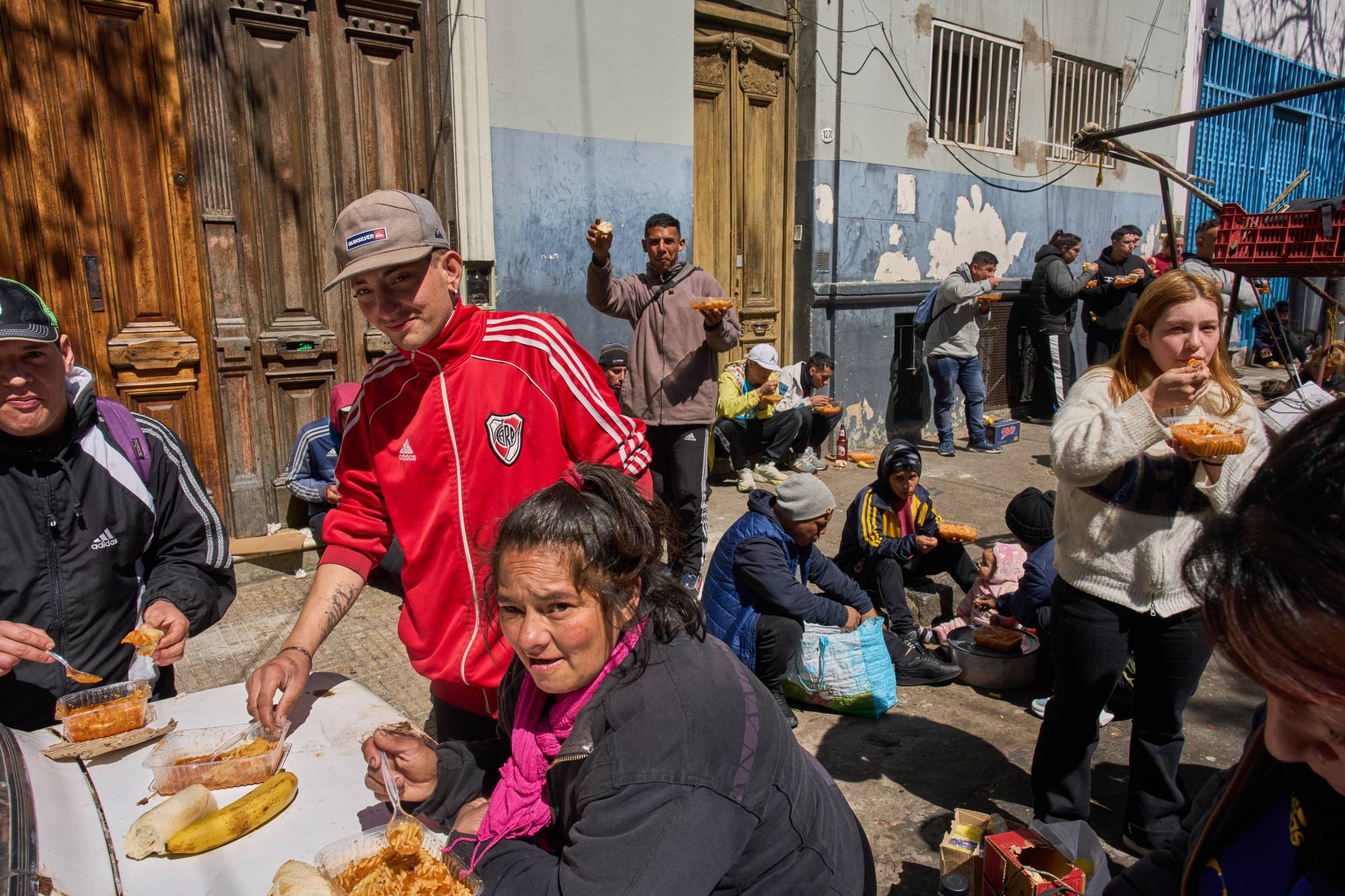
أشخاص يتناولون طعاماً يوزعه «اتحاد عمال الاقتصاد الشعبي» في بوينس آيرس مجاناً (أ.ب)

* قياس الأمان

لقد طورت البشرية مؤشرات دقيقة لقياس حجم الاقتصاد، لكنها لا تزال تبحث عن طريقة مثالية لقياس الأمان الاقتصادي؛ بل لتحقيقه.

قد يرتفع الناتج، لكن إذا ارتفعت تكلفة السكن بوتيرة أسرع من الأجور، فإن المواطن سوف يشعر بأنه خسر. وقد ترتفع الثروة الوطنية، لكن إذا تركزت مكاسبها في أعلى الهرم الاجتماعي، فلن يستفيد منها معظم الناس. وقد ينخفض التضخم، لكن ذلك لا يعني أن الأسعار عادت إلى ما كانت عليه.

لذلك فإن السؤال الاقتصادي الأكثر أهمية ليس كم نما الاقتصاد، بل من استفاد من هذا النمو؟

وإذا كان الاقتصاد ينتج ثروة أكبر، فإنه لا يمنح الطبقة الوسطى قدرة أكبر على شراء منزل، ولا يوفر للعامل أجراً يحميه من التضخم، ولا يمنح الأسرة شعوراً أكبر بالأمان، فما قيمة أن تكون الأرقام جميلة؟

ربما حان الوقت للتوقف عن التعامل مع الناتج المحلي الإجمالي باعتباره مرآة كاملة للازدهار؛ فالاقتصاد ليس أرقاماً فقط، الاقتصاد هو أيضاً ما يستطيع الإنسان أن يشتريه، وما يستطيع أن يدخره، وما يستطيع أن يخطط له، وما إذا كان يشعر بأن الغد سيكون أفضل من اليوم.

وعندما تصبح هذه الإجابات سلبية، يمكن لاقتصاد كامل أن يبدو مزدهراً على الورق، فيما يشعر الناس الذين يعيشون داخله بأنهم أفقر.

العملات جميعها تفقد بعضاً من قيمتها مع الوقت (رويترز)

وهنا تبدأ المشكلة الحقيقية؛ ومؤداها أنه حين يصبح النمو الاقتصادي حقيقة في الإحصاءات، فإنه لا يعود حقيقة في حياة الناس، حيث تتآكل الطبقة الوسطى التي تشكل عماد أي مجتمع ومحرّكه الأول.

وخلاصة القول أن النمو الذي لا يصل إلى الطبقة الوسطى يخلق أزمة ثقة بالديمقراطية والاقتصاد نفسه، وهذا ما يخلخل المجتمعات والدول، وقد يزلزلها.


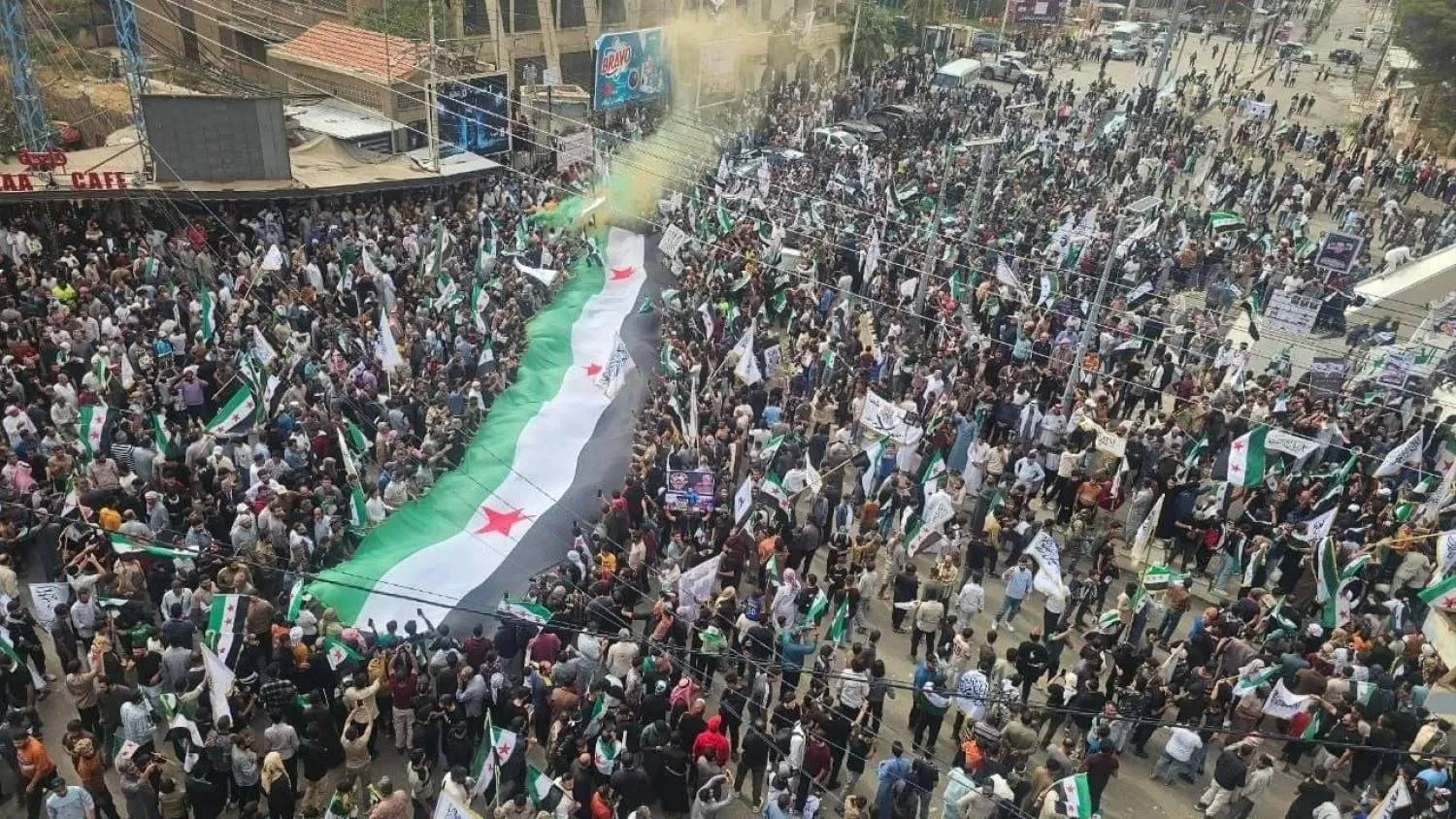
Mass Protests in Hasakah Under ‘Friday of the Syrian Flag’ Banner

The Syrian flag at a protest in Hasakah (Social media)
TT

Mass Protests in Hasakah Under ‘Friday of the Syrian Flag’ Banner

The Syrian flag at a protest in Hasakah (Social media)

Thousands of residents of Syria’s Hasakah province rallied after Friday prayers to demand state authority across the province and the release of detainees and people forcibly disappeared in prisons run by the dissolved Syrian Democratic Forces (SDF).

In scenes described as the “greatest celebration” and the “Hasakah flood,” protesters gathered in Freedom Square in the city center under the slogan “Friday of the Syrian Flag.”

They called for state sovereignty and a stronger presence for its institutions, a day after the national flag was raised on the square’s tallest flagpole before a large gathering of residents and officials.

The protests capped a week of rapid developments in Hasakah over the implementation of a Jan. 29, 2026, agreement between the Syrian government and the SDF.

The deal called for the former Kurdish Autonomous Administration’s civilian, security and military institutions to be integrated into state structures.

Arabs, who make up the province’s population majority, have complained that the SDF remains dominant despite its announced dissolution in late August.

Residents began arriving early in the morning from Hasakah’s al-Aziziya, al-Kallasa and al-Nashwa neighborhoods and from other towns, including al-Shaddadi, Markada, al-Hol and al-Arisha.

They gathered outside Abu Bakr al-Siddiq Mosque in Ghweiran before marching after Friday prayers to the city’s main square, known as Liberation Square, carrying Syrian national flags.

Government internal security forces reinforced their presence across the city from midnight Thursday to protect protesters, residents and public and private property. The deployment followed indiscriminate gunfire by “outlaw” gunmen in several neighborhoods.

Activists accused a Kurdish group referred to as “Revolutionary Popular” of stirring tensions to impose a curfew and block the demonstrations. Internal security forces restored calm that night, Syria’s Al-Ikhbariya television channel reported.

Protesters carried national flags, photographs of SDF detainees and pictures of “martyrs of the Syrian revolution.”

They chanted, “One, one ... the Syrian people are one,” seeking to reassure the province’s Arab, Kurdish and Christian communities that all were subject to the law and equal in rights and duties.

Their demands included extending state sovereignty and authority across Hasakah, restoring state institutions and making them operational, releasing detainees forcibly disappeared in SDF prisons, and allowing their sons to join the internal security forces. They also called for an end to the province’s dual authorities and the presence of Revolutionary Youth.

Videos posted on social media showed protesters removing Kurdistan Workers’ Party (PKK) and SDF flags and banners from streets and buildings.

Sohaib al-Yaarubi, an activist from the province’s Arab tribes and one of those who called for the protests, said the message was clear: the overwhelming majority in Hasakah supported the Syrian state, wanted its sovereignty extended across the province and wanted only the flag of the Syrian Arab Republic flown there.

Yaarubi told Asharq Al-Awsat the demonstrations were “successful” and the demands “patriotic and legitimate.” He said there were no tensions or provocations apart from one incident involving Revolutionary Youth members, which protesters defused.

Ibrahim al-Halabi, another activist from the province’s Arab tribes, described the crowds in Liberation Square as “awe-inspiring, beautiful and truly wonderful.” The peaceful demonstrations lasted about two hours.

He said the raising of the national flag brought overwhelming joy, stirring emotions that recalled the early days of the Syrian revolution against the former government in 2011.

“Some described the demonstrations and the crowds in Liberation Square as the greatest celebration in Hasakah, a city denied the chance to celebrate the victory achieved when the ousted government fell nearly two years ago,” Halabi said.

Delegations from other provinces, including Deir Ezzor, joined the Hasakah protests.

Similar demonstrations took place in several provinces in support of its residents’ demands.

The Friday rallies followed Thursday’s raising of the national flag on the tallest flagpole in central Hasakah before a large gathering of residents and officials. Government officials also inspected the courthouse to “create suitable conditions for making the judicial system operational.”

Internal security forces had deployed around the courthouse after members of the dissolved SDF vacated their positions there, while the government strengthened its security presence across the city.

On Tuesday, the SDF’s counterterrorism forces had handed over their positions to internal security forces.

Maj. Gen. Abdul Qader Tahhan, head of Syria’s General Intelligence Service, and Brig. Gen. Abdul Rahman al-Dabbagh, head of foreign intelligence, subsequently arrived in Hasakah with a large security delegation.

The developments followed mass peaceful protests after prayers the previous Friday in several towns and cities across Hasakah province, demanding state authority and a stronger presence for its institutions throughout the province.


After 20 Years, Sofia Coppola’s ‘Marie Antoinette’ Movie Has Come Home to Versailles

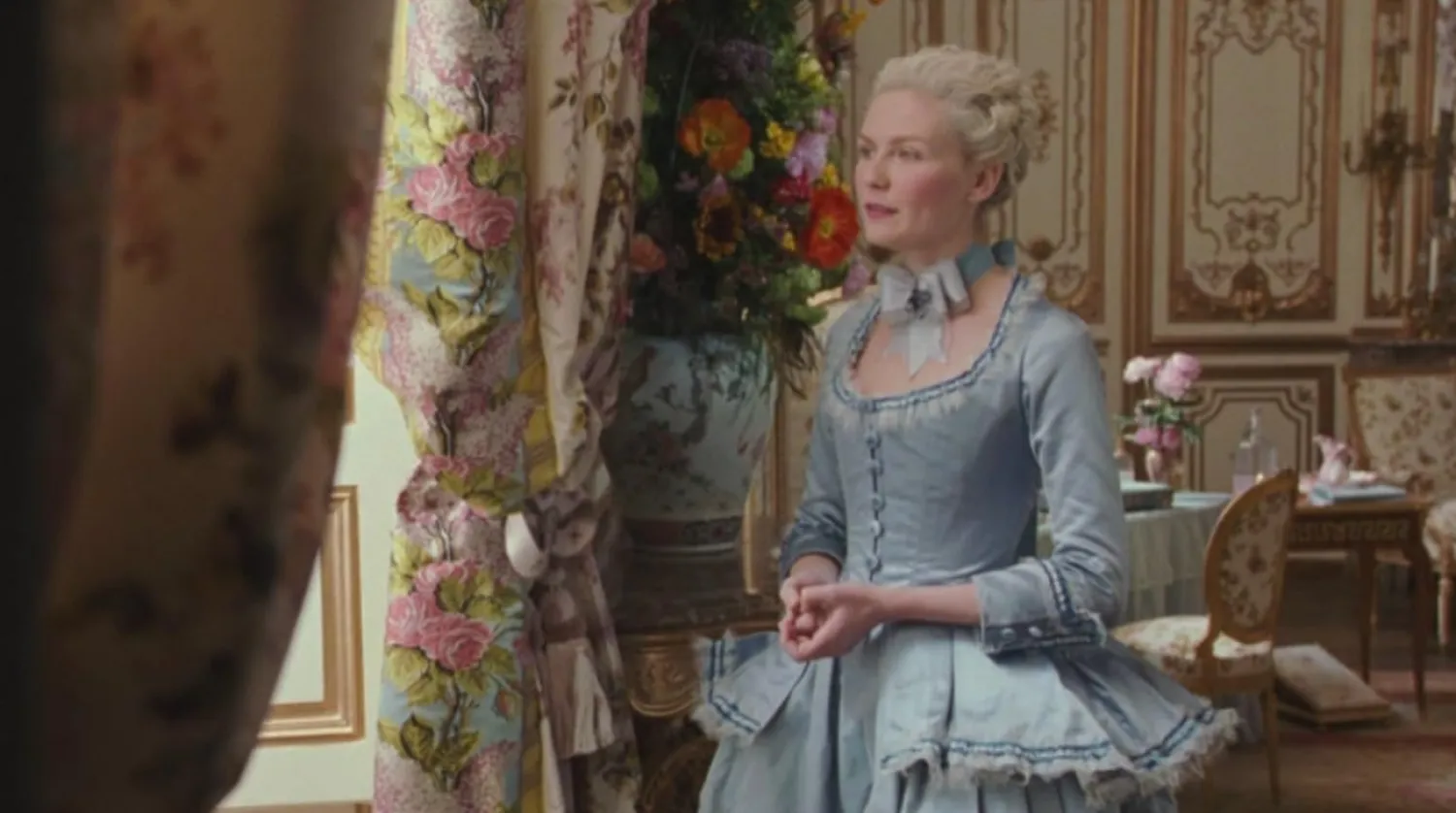
Filming Kirsten Dunst as Marie Antoinette on set (imdb)
TT

After 20 Years, Sofia Coppola’s ‘Marie Antoinette’ Movie Has Come Home to Versailles

Filming Kirsten Dunst as Marie Antoinette on set (imdb)

Paris: Laura Cappelle

In 2006, the American director’s whimsical, candy-colored “Marie Antoinette” divided audiences with its Manolo Blahnik shoes and contemporary soundtrack. Yet the film has since become a classic, and Versailles is honoring its 20th anniversary with an exhibition at the Petit Trianon, the small chateau on the royal estate given to the queen for her private use in the 1770s, where part of “Marie Antoinette” was filmed.

Curated by Hélène Delalex and Laurent Salomé and running through Jan. 24, the show brings back Milena Canonero’s Oscar-winning costumes alongside props, sketches and photographs. In Marie Antoinette’s private rooms, mannequins recreate some of the movie’s frames.

And Coppola is revisiting “Marie Antoinette” onscreen, too. As she made the film 20 years ago, someone was watching closely: her mother, Eleanor, who shot almost 100 hours of behind-the-scenes footage with the goal of making a documentary.

Eleanor Coppola died in 2024 without completing the project, but her daughter has completed it for her. The movie “Making Marie Antoinette,” a time capsule of the film and of a young director finding her way, will be released in US theaters on Oct. 23.

In a recent video interview, Coppola, 55, talked about stepping back into Versailles, fighting for the film’s female perspective and watching hip-hop cut-ups of “Marie Antoinette” on TikTok. These are edited excerpts from the conversation.

Were you surprised when Versailles reached out to you about this exhibition?

Yes, I was really surprised — it was like being offered the Petit Trianon to put our posters up. It was surreal to be there again, in the real home of Marie Antoinette, with the costumes from our version.

I thought it was cool that the curators were interested in the preparation materials and research, so I was excited to open up the boxes that I had in my storage at my family home in Napa Valley. Anne Seibel, the art director, also saved a lot of things, and Milena Canonero, our great costume designer, tracked down different pieces and put the accessories together to bring it all back. We even recreated some of the lighting that was used in the film.

What do you remember about how you felt while making it?

It was really stressful and overwhelming, because I’d never taken on anything of that scale. There were just so many people there in order to pull it off, so many extras and crew. I think I had that sort of youthful naïveté — I don’t think I would take on something like that now.

But I had a really clear vision in my head, and I was really trying to do a different kind of period movie. The ones that I had grown up with were very big tableaux, based on paintings. I always felt like you were looking back at history, and I wanted this to feel like you’re jumping back in time and you’re alive with the characters. When I visited the real private rooms of Marie Antoinette, I was struck by the fact that the fabric was this bright turquoise color. At that time, you never saw that in period films: It was always muted, dusty earth tones.

The depiction of ennui and aimlessness connects it to some of your other films. What did you draw on to bring it to life?

I was trying to imagine what Marie Antoinette’s emotional life was like, and I could see parallels in LA at the time when I was writing the script in the early 2000s. I saw women shopping when they didn’t have anything else to do, to fill their time. It was my version of what I could imagine that might be like.

Were you taken aback by the controversy over the anachronisms in the movie when it came out?

It was disappointing that some people were really offended by it. To me, it’s hard to imagine that the modern music was so offensive to people, and it’s done a lot now. I knew that it was a little bit obnoxious and rebellious for an American to make that story, but you don’t ever really know how things are going to be received.

You lived in France for a few years after “Marie Antoinette.” What is your relationship nowadays to the country?

My husband [Thomas Mars, of the band Phoenix] is actually from Versailles. Their home was right down the street from the Petit Trianon. They moved away in more recent years, but we had holidays there, which was wild. My daughter Romy was born in Paris, and I feel really grateful that I still get to spend time there. I grew up with French New Wave films, and I’ve always felt supported by French culture.

The film’s reputation seems to have changed considerably since its release. Do you feel that?

Definitely. I feel like it has a whole new audience of young people. My daughters show me these edits to hip-hop songs on TikTok, which I love. It’s been a fun surprise, because usually your movies aren’t talked about afterward. A lot of mothers and daughters say that they watch it together, or men come up to me and say that that was their gay coming-out.

The film has a strong female gaze, and that registers differently today. Did you have to fight for that perspective when you made it?

My mom shot almost 100 hours of documentary footage on set. I helped edit it recently, and there’s a lot of me pushing for the female point of view of the story. That was really important to me, and it was interesting to see that men on the crew did not understand this idea or were resisting it. It just didn’t exist in filmmaking at that time. Nowadays, the guys I work with are much more open.

The documentary you edited based on your mother’s footage, “Making Marie Antoinette,” will be out in the US in October. Why did it take so long to come back to it?

Only a very small amount was used for a DVD bonus at the time, and we went on with our lives — I was having kids and I forgot about it. Then during the pandemic, my family was all together at home in Napa. My mom got the footage out to look at it, and I had never seen it before. It was amazing for me to see like all the details that she caught, all of the craftsmanship: the costumes, the wigs, the flowers.

And she really wanted to do something with it. She passed away two years ago now, but at the end of her life, it was really important to her that we got this film done. I promised her that I would. I’ve worked a lot this last year with an editor and a friend of my mom’s, trying to think of how she would want it made — even though it’s hard for me to have perspective, because I’m in it, and it’s embarrassing to see my young self.

Why?

I am not as assured of asserting myself. I’m kind of finding my way as a young director. And I thought maybe that would be interesting for other young people interested in film, to see that there is a process of how you evolve as a creative person.

It’s also me seeing through my mother’s eyes, her watching her daughter work. It was very emotional to work on, and I felt like it was a gift that she left for me.

The New York times