کاپ ۲۶؛ امید «آخر» دنیا برای رسیدن به اهداف تعیین شدهhttps://persian.aawsat.com/home/article/3284806/%DA%A9%D8%A7%D9%BE-%DB%B2%DB%B6%D8%9B-%D8%A7%D9%85%DB%8C%D8%AF-%C2%AB%D8%A2%D8%AE%D8%B1%C2%BB-%D8%AF%D9%86%DB%8C%D8%A7-%D8%A8%D8%B1%D8%A7%DB%8C-%D8%B1%D8%B3%DB%8C%D8%AF%D9%86-%D8%A8%D9%87-%D8%A7%D9%87%D8%AF%D8%A7%D9%81-%D8%AA%D8%B9%DB%8C%DB%8C%D9%86-%D8%B4%D8%AF%D9%87
کاپ ۲۶؛ امید «آخر» دنیا برای رسیدن به اهداف تعیین شده
نشست رهبران جهان در گلاسکو و تدابیر امنیتی و پروتکل های بهداشتی سفت و سخت
گلاسکو: نجلاء حبریری
TT
TT
کاپ ۲۶؛ امید «آخر» دنیا برای رسیدن به اهداف تعیین شده
رهبران گروه ۲۰ در نشست رم با هشدار درباره «از بین رفتن» تمدن بشری و ناکامی برای جلوگیری از وقوع «فاجعه آب و هوایی» فضای مناسبی برای کنفرانس کاپ ۲۶ در گلاسکو ایجاد کردند. ۲۶ امین نشست جهانی تغییر اقلیم کنفرانس (COP26)یکشنبه (۳۱ اکتبر) در گلاسکو آغاز شد. رهبران جی ۲۰ پس از یک نشست دو روزه در پایتخت ایتالیا به جمع بیش از صد تن از رهبران و نخست وزیران جهان در گلاسکو پیوستند و در اجلاس قبلی خود در رم بر لزوم مقابله با تهدید وجودی تغییرات آب و هوا برای همه تاکید کردند و بنا شد میزان افزایش دمای زمین یک و نیم درجه سانتیگراد بالاتر از دمای جهانی قبل از دوران صنعتی شدن باقی بماند.
نمایندگان ۲۰۰ کشور از جمله ۲۵ هزار مذاکره کننده و فعال و خبرنگار عازم گلاسکو شده اند که آنجا هم تدابیر امنیتی شدید و پروتکل های بهداشتی سفت و سخت برقرار شده است.
رهبران و نخست وزیران کشورهای جهان دوشنبه و سه شنبه (اول و دوم نوامبر) در «اجلاس سران» درباره راهکارها و برنامه های ملی و بین المللی در راستای مقابله با تغییرات آب و هوا و افزایش دمای زمین و حفاظت از محیط زیست سخنرانی می کنند. هیات ها و مذاکره کنندگان ارشد کشورهای شرکت کننده و نهادهای بین المللی پس از پایان نشست سران در چندین نشست و جلسه فنی که تا ۱۲ نوامبر ادامه دارد شرکت می کنند که این بحث ها به چند دسته تقسیم می شود: تامین مالی و انرژی و توانمند سازی جوانان و دریاها و اقیانوس ها و سواحل و محیط زیست و استفاده بهینه از اراضی و کنار آمدن با تغییرات آب و هوایی و صنعت و برابری جنسیتی و شهرها.
-عدد جادویی
مسئولان موسسات بین المللی و محققان و فعالان محیط زیست از امضای توافق آب و هوایی پاریس مرتب عدد ۱.۵ را گوشزد می کنند که نشان می دهد هوا نباید بیش از یک و درجه سانتیگراد نسبت به دوره قبل از صنعتی شدن گرم تر شود. حالا شرکت کنندگان از تمام دنیا در نشست
تلاش می کنند دمای هوا از این حدCOP26
گرم تر نشود وگرنه باید منتظر فجایع بیشتر آب و هوایی باشیم.
یک مقام بریتانیایی آگاه گفت «هدف اصلی نشست گلاسکو این است تا افزایش دمای یک و نیم درجه سانتیگراد را هدف قرار دهند و سیاست های هدفمندی در حوزه های اصلی و کلیدی مثل بخش زغال سنگ و خودرو و درختکاری به اجرا بگذارند. به اینها باید مساله «تامین مالی لازم برای افزایش سرعت سیاستگذاری و اجرای سیاست های آب و هوایی در ده سال سرنوشت ساز بعدی افزود».
هدف نشست گلاسکو همان هدف توافق تاریخی پاریس در ۲۰۱۵ است. کشورهای جهان آن زمان توافق کردند که دما را «خیلی کمتر» از دو درجه سانتیگراد نسبت به دوران قبل از صنعتی شدن نگه دارند و «در صورت امکان» نگذارند دما بیش از یک و نیم درجه سانتیگراد گرم تر شود.
افزایش دمای یک و نیم درجه سانتیگراد یکی از مفاد پیش نویس بیانیه گروه ۲۰ بود که تاکیدی بر پایبندی جامعه بین الملل برای تحقق این هدف است. به گزارش رویترز در این بند آمده «ما می دانیم که تاثیر مخرب تغییر آب و هوا در صورت افزایش دمای یک و نیم درجه سانتیگراد بسیار کم تر از شرایطی است که دما از دو درجه سانتیگراد گرم تر شود. اقدامات فوری برای عبور دمای هوا از یک و نیم درجه سانتیگراد لازم و ضروری است».
-امید آخر
آلوک شارما رییس بریتانیایی ۲۶ مین نشست تغییرات اقلیم برای تشویق کشورها در راستای اتخاذ اقدامات فوری برای کاهش آلاینده های کربنی و باقی ماندن دمای هوا در حد یک و نیم درجه سانتیگراد تلاش می کند. او در جلسه افتتاحیه نشست یکشنبه (۳۱ اکتبر) گفت «این آخرین و بهترین امید» است تا دمای هوا گرم تر از یک و نیم درجه سانتیگراد بیش از حد مد نظر نشود».
شارما افزود «می دانیم که کره زمین به سمت بدتر شدن می رود و تغییرات آب و هوا در دوره شیوع کوید ۱۹ ادامه پیدا کرد و این نشست یک سال به تعویق افتاد. اگر امروز دست به دست هم بدهیم می توانیم کره زمین را حفظ کنیم».
-گزینه های دشوار
پاتریشیا اسپینوزا دبیر دفتر تغییر اقلیم در سازمان ملل گفت «اینجا نقطه عطف انسانیت است. گزینه های دشوار اما شفافی داریم». اسپینوزا در جلسه خواستار تغییر رویکرد کشورها ازCOP26
طریق اجرای برنامه های متعدد و فوری برای کاهش گازهای گلخانه ای و انتشار کربن در سطح وسیع شد و گفت این تحول به این دلیل است تا دمای هوا گرم تر از یک و نیم درجه سانتیگراد بیش از حد مد نظر نشود وگرنه باید همه قبول کنیم که آینده تیره و تاری در انتظار بشریت خواهد بود».
اسپینوزا بر لزوم افزایش تلاش و برنامه های گوناگون برای تعامل با فجایع آب و هوایی و ظرفیت سازی برای مقابله با آثار زیانبار فجایع آب و هوایی در آینده تاکید کرد و گفت اگر این کار انجام نشود افراد بیشتری جان خود را از دست می دهند و زیان های اقتصادی بیشتری گریبانگیر دنیا می شود.
-نظارت بین المللی
شرکت کنندگان در این نشست برای گفتگوهای دشوار و پیچیده در دو هفته آینده آماده می شوند و تنظیم کنندگان نشست با مشکلاتی از جنس دیگر دست و پنجه نرم می کنند.
نشست COP26 چالش های امنیتی و سلامت و سازمان دهی گوناگون دارد چون این همایش اولین گردهمایی بین المللی گسترده پس از شیوع کرونا به شمار می رود. ضمنا چندین راهپیمایی و تجمع اعتراضی در گلاسکو جریان دارد که ممکن است کار به کندی تردد در گلاسکو و اطراف آن بکشد. طبق روال معمول نشست های پیشین آب و هوایی مدیریت مقر برگزاری نشست روز جمعه (۲۹ اکتبر) رسما به سازمان ملل واگذار و مرکز بزرگ همایش ها در اسکاتلند رسما «منطقه آبی» شد. این منطقه تا پایان نشست مزبور زیر نظر سازمان ملل اداره می شود و ماموران مسلح وابسته به سازمان ملل در راستای برقراری نظم و امنیت در این منطقه گشت زنی می کنند.
-انجام روزانه تست
برگزار کنندگان نشست در بخش سلامت نیز دستورالعمل های سفت و سختی برای جلوگیری از شیوع کرونا میان شرکت کنندگان ۲۰۰ کشور جهان اجرا می کنند. به شرکت کنندگان توصیه شد قبل از سفر به اسکاتلند واکسن کرونا بزنند و از تمامی شرکت کنندگان قبل از ورود به «منطقه آبی» تست روزانه سریع گرفته می شود.
دولت انگلیس به شرکت کنندگان واکسن زده در این نشست اجازه ورود داده و حتی اگر واکسن ها تایید نشده باشد اشکالی ندارد. انگلستان از طریق همکاری با سازمان ملل واکسن در اختیار افرادی قرار داده که در نشست شرکت می کنند اما امکان واکسیناسیون در کشورهای خودشان نداشته اند. یک منبع بریتانیایی گفت که نمایندگان حدود ۷۰ کشور از طریق حمایت عملیاتی سازمان ملل نوبت اول واکسن را دریافت کردند. افرادی که برای شرکت در نشست از کشورهای لیست قرمز مسافرت آمده اند از سوی دولت بریتانیا قرنطینه اجباری شدند.
-هتل شناور
پس از مشکلات امنیتی و سلامت نوبت چالش سازمان دهی می رسد که در نشست به چشم می خورد و به گفته یکی از شرکت کنندگان «نقص آشکار» در اتاق های هتل وجود دارد.
گلاسکو و ادینبرو در همسایگی آن برای میزبانی از ده ها تن از رهبران و سران و هیات های شرکت کننده و نیز چندین هزار نماینده و مذاکره کننده و خبرنگار و مقام امنیتی و غیره آماده شده است. خدمات هتلداری به شدت گران شده و مسئولان حوزه حمل و نقل اسکاتلند درباره تاخیر و شلوغی وسایل حمل و نقل هشدار دادند. بنا به گزارش های محلی در اسکاتلند چندین هزار تن از نمایندگان و مقام های شرکت کننده تا چند روز قبل از آغاز به کار این اجلاس دنبال هتل و محل اقامت بودند. گنجایش هتل های گلاسکو ۱۵ هزار اتاق است. بنا به اطلاعاتی که به دست «الشرق الاوسط» رسیده مقام های اسکاتلند یک کشتی تفریحی یا «هتل شناور» را برای اقامت برخی از ماموران امنیتی و کارکنان دیگر در نظر گرفته اند. دلیل این بلبشو و کمبود اتاق برای اقامت موقت این است که برخی از هیات ها دیر حضور خود در نشست را کانفرم کردند به خصوص کشورهایی که در لیست قرمز مسافرت بریتانیا هستند. عده ای می گویند برخی کشورها هیات های پرتعداد اعزام کرده اند. فایننشال تایمز به نقل از افراد آگاه گزارش داد هیات همراه جو بایدن رییس جمهور آمریکا بیش از هزار نفر هستند.
Saudi Arabia Marks its National Day with a Digital Economy Nearing One-Sixth of GDP
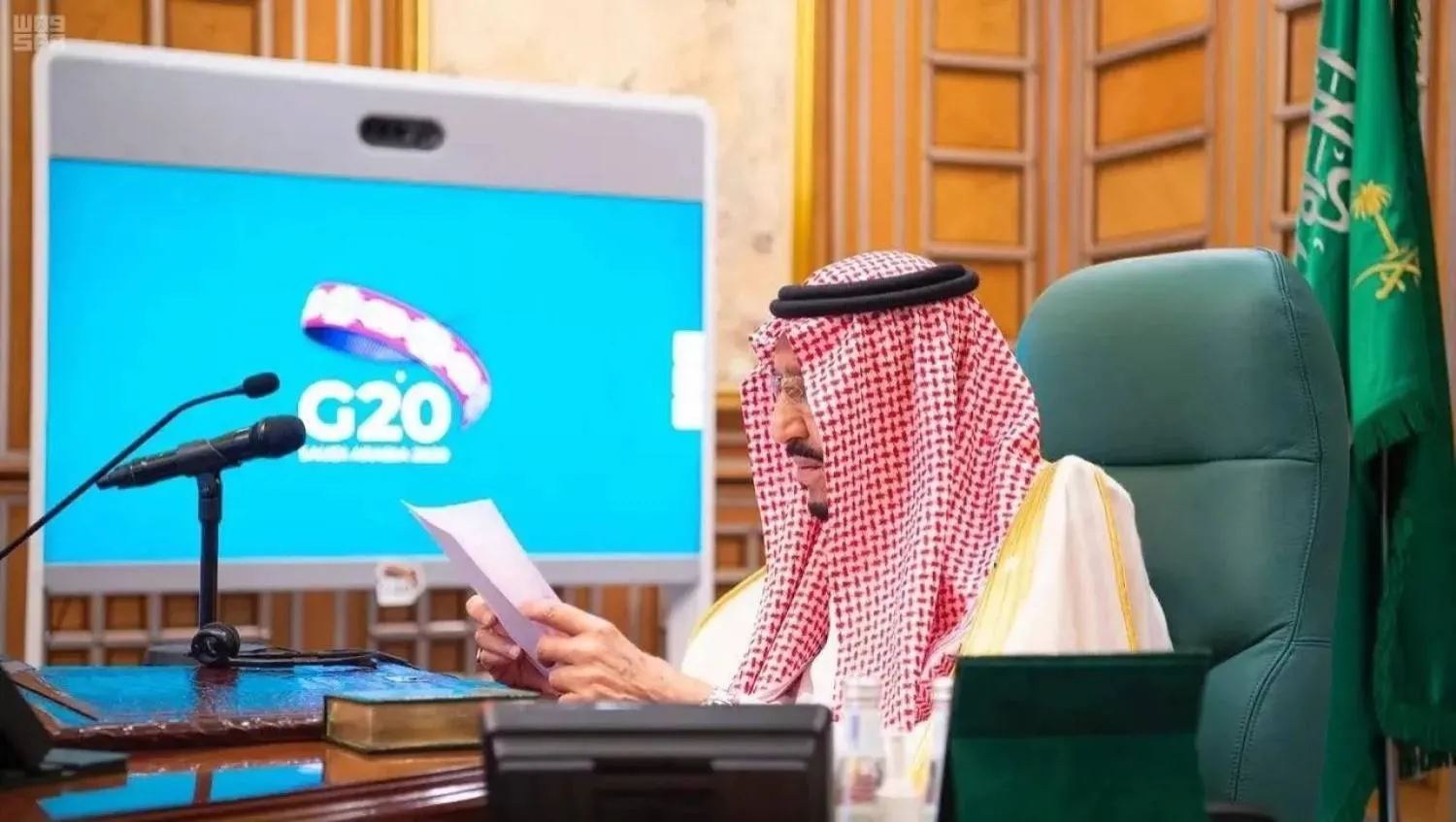
King Salman chairs the extraordinary virtual G20 Leaders' Summit from Riyadh. SPA
When the country's regions were first unified, distances were measured in days of travel, and the telegraph was one of the state's tools for connecting its far-flung territories. Today, as Saudi Arabia celebrates its National Day, information travels in fractions of a second, and citizens can complete tasks on their smartphones that once required a journey, paperwork, and waiting.
Behind this daily reality lies the growing role of the digital economy, which, according to Saudi Arabia's Ministry of Communications and Information Technology, contributed nearly 16 percent of GDP in 2025, equivalent to almost one-sixth of the Saudi economy.
This year's National Day celebrations coincide with what Saudi Arabia has designated as the "Year of Artificial Intelligence," combining reflection on the country's unification journey with a focus on future sources of economic strength.
The current transformation builds on a development path led by King Salman and Crown Prince Mohammed bin Salman, placing technology at the heart of governance efficiency, business growth, human capital development, and the Kingdom's ambition to secure a larger share of the global knowledge economy.
In April 2016, the Saudi Cabinet, chaired by King Salman, approved Saudi Vision 2030, which was designed and overseen by Crown Prince Mohammed bin Salman. The vision positioned digital transformation within a broader project aimed at diversifying the economy and improving the efficiency of spending and public services.
Investments in digital infrastructure were accompanied by administrative reforms, regulatory modernization, and greater opportunities for private-sector participation. Over time, these efforts enabled various entities to develop interconnected services and measure the time and effort saved for beneficiaries.
The COVID-19 pandemic put these investments to a real-world test. On March 26, 2020, King Salman chaired the extraordinary virtual G20 Leaders' Summit from Riyadh. At a time when travel restrictions had closed airports and meeting venues around the world, the event presented a remarkable diplomatic scene and demonstrated the capacity of digital infrastructure to sustain work and communication when face-to-face meetings were impossible.
That same year, Crown Prince Mohammed bin Salman linked the National Data and AI Strategy to the goal of making Saudi Arabia a global leader in the field. Since then, a succession of initiatives, institutions, and companies have been launched, culminating in the Saudi Cabinet's approval last March of the designation of 2026 as the "Year of Artificial Intelligence."
This continuity reflects how broad strategic ambitions have been translated into programs spanning government, investment, and education, all focused on expanding the Kingdom's ability to develop and deploy technology.
Readers can observe this transformation in everyday life: renewing documents through the Absher platform, following judicial procedures through Najiz, and accessing services from multiple government entities through Nafath.
These digital services have fundamentally changed the relationship between beneficiaries and service providers. Many transactions can now be completed outside regular government and business hours, the need to carry documents between offices has decreased, and access to services has become easier for people living far from government centers.
The experience has also extended to healthcare through the Sehhaty platform and to the wide range of documents and services integrated into the Tawakkalna application. Behind every user action on the screen are less visible processes, including the integration of records, identity verification, data protection, and the maintenance of uninterrupted system operations.
This is where digital government generates economic value: it reduces transaction costs for individuals and businesses while creating demand for software development, cybersecurity, operations, and Saudi technical expertise.
In retail, electronic payments have transformed part of the sales process, while the integration of payment systems, delivery services, and digital platforms has fueled the expansion of e-commerce. Small businesses can now market their products to customers beyond their neighborhoods and cities, and manage inventory and payments through digital tools.
These developments help explain how the digital economy reaches sectors such as commerce, transportation, finance, and healthcare, and how its impact extends far beyond companies traditionally classified as technology firms.
Saudi Arabia's Ministry of Communications and Information Technology estimates the Kingdom's information and communications technology (ICT) market at approximately $53 billion (SAR 199 billion) in 2025.
The size of the ICT market differs from the digital economy's contribution to GDP, as the latter encompasses digital activities spanning multiple economic sectors. This influence is reflected in the growing adoption of networks, software, and digital services by businesses, enabling them to increase productivity and reach customers more effectively.
Small and medium-sized enterprises (SMEs), in particular, benefit from this transformation by gaining access to tools and technologies that previously required larger investments and specialized expertise.
Institutions Safeguarding Trust and Connecting Services
The expansion of digital activity has necessitated the creation of institutions that regulate and protect it. The National Cybersecurity Authority (NCA) serves as the national reference body for cybersecurity affairs.
The Saudi Data and Artificial Intelligence Authority (SDAIA) leads efforts related to data and artificial intelligence, while the Digital Government Authority (DGA) oversees the regulation and advancement of government digital services and their integration.
Through the coordination of these institutions, services are seamlessly connected to identity verification, data management, and cybersecurity, enhancing the ability of government entities to provide reliable user experiences.
This transformation also has a physical dimension. In northern Riyadh, the Digital City district brings together towers and headquarters of government entities and companies, including the Saudi Ministry of Communications and Information Technology.
Its urban presence provides a tangible representation of an economy in which countless transactions take place without paper. Behind these digital services are teams at work, neighboring companies, and an ecosystem that supports an industry built on knowledge exchange and multidisciplinary collaboration.
Saudi Companies Building Domestic Production Capabilities
As the market has matured, investments have increasingly focused on developing national capabilities across various stages of the digital industry. A prominent example is the role of the Public Investment Fund (PIF), chaired by Crown Prince Mohammed bin Salman, in establishing companies aimed at supporting economic diversification opportunities.
The Saudi Information Technology Company (SITE) illustrates this approach through its work in secure technology solutions, cybersecurity, and cloud services. In this context, expertise in protecting and operating digital systems has evolved into a field that generates business opportunities, professional training, and product development.
Another example is HUMAIN, launched in May 2025 and chaired by Crown Prince Mohammed bin Salman. The company works to link data centers and cloud-computing infrastructure with AI models and applications. Its initiatives include language models such as Allam, conversational AI applications such as HUMAIN Chat, and partnerships with global technology companies.
Here, the Arabic language itself acquires an economic dimension. The ability to understand Arabic and process its content supports the development of services tailored to the needs of institutions and users while expanding the presence of Arabic knowledge within AI products.
Developing these products requires extensive research into data quality, accuracy of responses, and understanding of local contexts, alongside testing their applications within institutions. This creates opportunities for collaboration among researchers, universities, and the private sector, and for translating specialized knowledge in healthcare, industry, and services into practical applications.
At the same time, investment in the Arabic language offers the possibility of building Saudi expertise capable of serving broader Arab markets.
Behind the Swift Answer... An Entire Industry
Behind the artificial intelligence services that appear effortless on a smartphone screen lies a vast infrastructure of technology and expertise. The answer that appears within seconds depends on processors, networks, storage systems, electricity, and cooling facilities. This is why data centers have emerged as a fundamental pillar of the AI economy.
Saudi Arabia is betting on its ability to attract such investments through the availability of energy, capital, strategic location, and growing domestic demand, while building partnerships that provide access to advanced technologies.
In Riyadh, the foundation stone for SDAIA's Hexagon Data Center was laid earlier this year, with a planned capacity of 480 megawatts. Now under implementation, the project reflects the scale of the Kingdom's ambitions in expanding hosting capabilities for digital systems and computing power. It also illustrates that the development of digital government and artificial intelligence requires substantial physical investments, integrating construction, energy, telecommunications, and specialized operations.
The market is also preparing for expanded local cloud-computing options in the coming months. Microsoft has announced that its Saudi Arabia East Datacenter Region will become available in November, while Amazon Web Services (AWS) has confirmed the launch of its first cloud region in Saudi Arabia in December this year.
These facilities will provide organizations with broader options for hosting data and running applications locally while leveraging platforms and tools used by businesses worldwide.
The connection between these investments and local economic development is evident in the growing collaboration between AWS and HUMAIN, which includes plans to make Allam, the Saudi Arabic-language AI model, available through the Amazon Bedrock platform. This partnership enables local developers to connect with global distribution platforms, increasing the value of locally developed products that address clear customer needs.
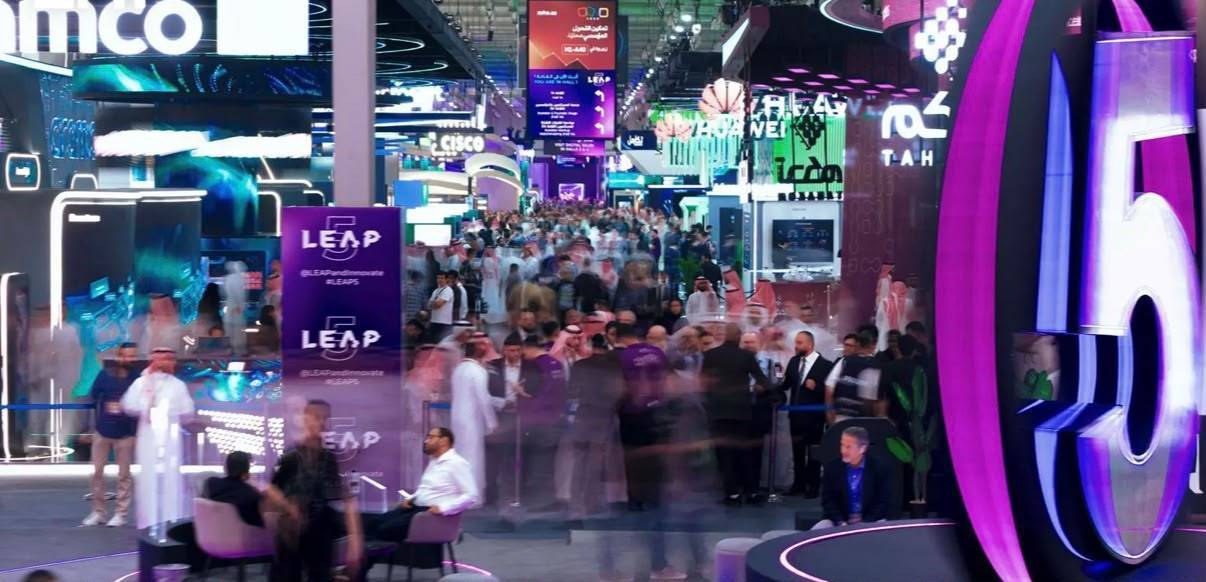
The LEAP Conference held in Riyadh. SPA
LEAP Conference: Investments Moving Toward the Market
The fifth edition of the LEAP Conference concluded in Riyadh in early September. According to the Saudi Press Agency (SPA), announced investments approached $15 billion. These announcements vary in scope and timeframe, and their ultimate economic impact will depend on implementation and the successful commercialization of projects and products.
Among the announcements, Al Moammar Information Systems (MIS) unveiled a $1.2 billion investment to expand its data-center capacity to 192 megawatts, one of the major announcements made on the conference's second day.
On the content and creativity front, Adobe expanded its partnership with Saudi Arabia's Ministry of Communications and Information Technology and HUMAIN to support AI-powered creativity. These initiatives demonstrate the breadth of opportunities across the digital economy, from building infrastructure to developing tools used by designers, content creators, and businesses.
The conference's significance also lies in bringing together investors, developers, suppliers, and customers in one place. Startups need pathways to market, manufacturers need partners and buyers, and computing projects require real-world applications to utilize their capabilities.
When these relationships evolve into contracts and ongoing business activities, the conference's impact extends well beyond the days of the event, contributing to business growth and the localization of expertise.
People at the Heart of the Economy
As important as data centers and technology projects are, people remain the decisive factor in their success. The digital economy depends on researchers who develop models, engineers who operate systems, specialists who protect data, educators who prepare students, and entrepreneurs who transform ideas into services.
From this perspective, training programs, educational initiatives, and university partnerships are closely linked to technology investment. The participation of young men and women in these fields forms an essential part of the expected developmental return.
This impact also extends to existing professions. Doctors, lawyers, accountants, and shop owners all need skills that enable them to benefit from new tools and evaluate their outputs effectively.
As digital literacy expands, technology is more likely to be adopted in productive everyday use. It also creates greater opportunities for Arabic-language content, research and development, and Saudi companies that offer solutions rooted in local market needs while remaining scalable to international markets.
Toward the 100th National Day
When Saudi Arabia celebrates its 100th National Day in 2030, it will be possible to assess the results of this phase through the quality of the products it develops, the jobs it creates, the knowledge it localizes, and the impact these achievements have on people's lives and business competitiveness.
The transformation accelerated under Vision 2030, led by King Salman and Crown Prince Mohammed bin Salman, opening broader opportunities for the Saudi economy to participate in the development of technology and shape its applications.
From the telegraph that once carried news across the country to advanced Arabic-language AI models that process and distribute knowledge through digital networks, the value of connectivity continues to evolve as a means of bringing people together and facilitating their daily activities.
In the Year of Artificial Intelligence, the Kingdom brings to its National Day the achievements of a transformation that citizens and residents experience through their smartphones, and that is being advanced by engineers in data centers, researchers in laboratories, and young entrepreneurs launching new ventures. From these countless individual contributions, the next chapter of Saudi Arabia's development story is taking shape.
«أنثروبيك» و«أوبن إيه آي» تطلقان نماذج ذكاء اصطناعي جديدة وأقل تكلفةhttps://persian.aawsat.com/node/5321514
«أنثروبيك» و«أوبن إيه آي» تطلقان نماذج ذكاء اصطناعي جديدة وأقل تكلفة
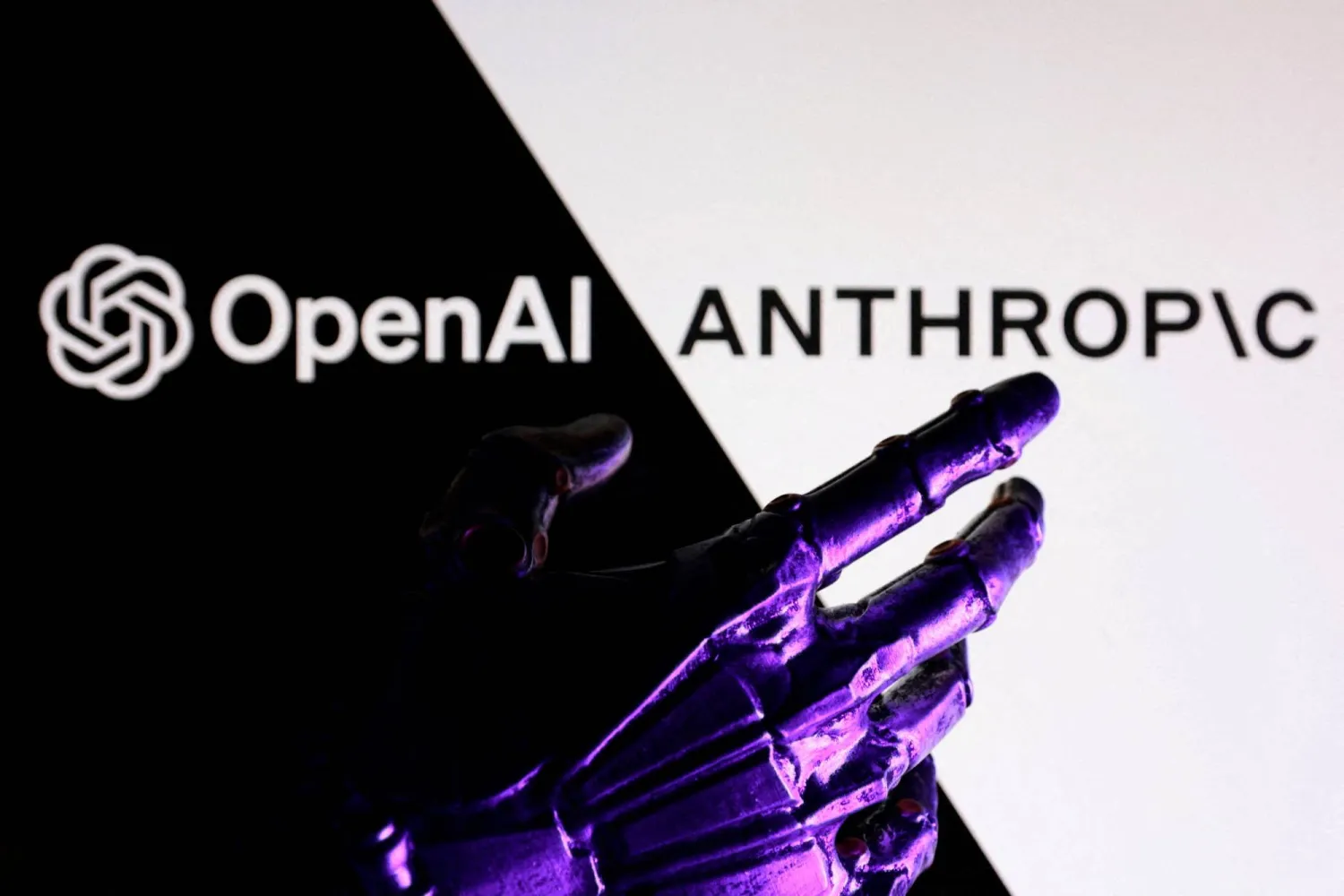
صورة تعبيرية تحمل شعارَي «أوبن إيه آي» و«أنثروبيك» (رويترز)
أطلقت شركتا «أنثروبيك» و«أوبن إيه آي» الثلاثاء نماذج جديدة وأقل تكلفة للذكاء الاصطناعي بفارق ساعات فقط بينهما، وذلك بعد أيام من دعوة مسؤولي الشركتين إلى التريّث في تطوير هذه التكنولوجيا.
وحسب «وكالة الصحافة الفرنسية»، فقد قالت «أنثروبيك» إن نموذجها الجديد «أوبوس 5.5» يقترب من أداء نموذجها الرائد «فايبل» مقابل تكلفة أقل بكثير.
وبعد ذلك، أعلنت «أوبن إيه آي» إطلاق نموذجَي «جي بي تي-6 سول» و«جي بي تي-6 لونا»، مؤكدة أنهما يؤديان المهام بصورة أفضل بكثير من أقوى نماذج «أنثروبيك».
وتُعد النماذج الجديدة نسخاً أسرع وأقل تكلفة من نموذج «جي بي تي-6 أسترا»، أقوى نماذج «أوبن إيه آي»، الذي طُرح في وقت سابق من الشهر الحالي.
ويعكس هذا التنافس التناقض الذي تواجهه الشركتان؛ إذ تحذران من مخاطر التكنولوجيا التي تطورانها، بينما تتعرضان في الوقت نفسه لضغوط لتحقيق عوائد من استثمارات ضخمة وسط منافسة قوية؛ خصوصاً من النماذج الصينية منخفضة التكلفة.
ويأتي إطلاق «أنثروبيك» نموذجها الجديد قبل أسابيع من إدراجها المتوقع في البورصة، بينما أرجأت «أوبن إيه آي» خطط الطرح العام الأولي إلى العام المقبل.
وأكدت «أنثروبيك» أن النموذج الجديد يعتمد إجراءات الحماية نفسها المستخدمة في «فايبل» في مجالات الأمن السيبراني والأحياء وتصميم نماذج الذكاء الاصطناعي.
وأضافت أن اختبارات داخلية أظهرت أن «أوبوس 5.5» هو أفضل نموذج اختبرته الشركة حتى الآن من حيث «المواءمة»، أي مدى التزامه بالأهداف التي يحددها مطوروه.
لكن الشركة أشارت أيضاً إلى أن النموذج أظهر ميلاً متكرراً للاعتقاد بأنه يخضع للتقييم، وهو ما أقرّت بأنه قد يجعل من الصعب التنبؤ بسلوكه في ظروف الاستخدام العادية.
French ISIS Extremist Gets 30 Years for Syria Crimes
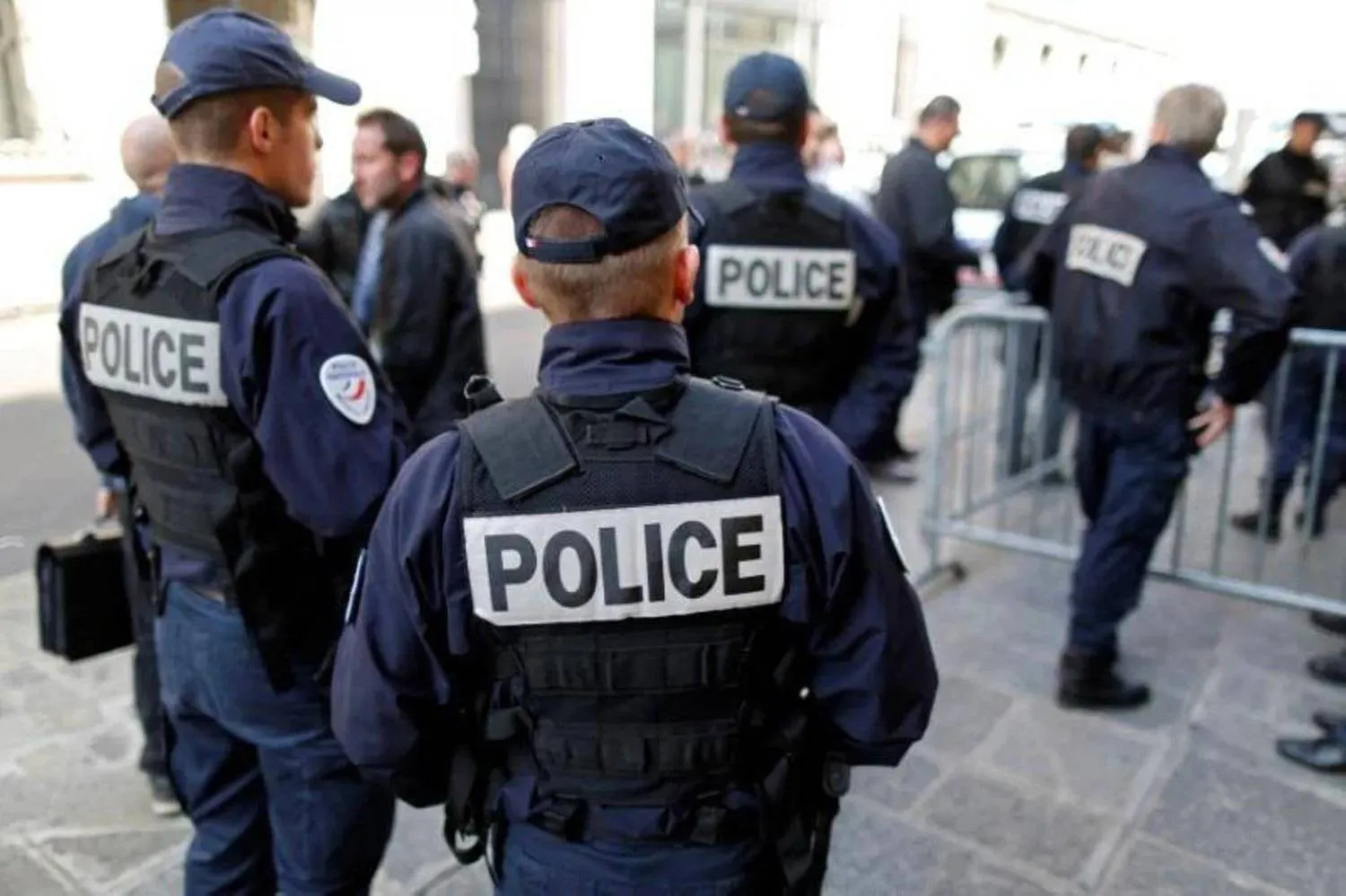
French police gather outside a local police station in Paris, France, October 11, 2016. REUTERS/Charles Platiau
A French court on Tuesday, September 22, sentenced a former ISIS member in Syria, Othman Garrido, to 30 years' imprisonment for murders committed as part of an organized group.
Garrido, a 32-year-old French citizen, was convicted by a special court in Paris at the end of a week-long trial.
He was convicted over a September 2015 public execution in Syria of two Iranians, but was acquitted on another charge of being their executioner. His sentence came with a 20-year non-parole period.
ISIS had attempted in 2014 to create what it called a “caliphate” in Syria, but it ended up being defeated in 2019 by a US-led international coalition.
Garrido, during his trial, had portrayed himself as forced to follow ISIS or risk death himself.
Some 1,500 French nationals had transited through Iraq and Syria to join ISIS in the 2010s.
لم تشترك بعد
انشئ حساباً خاصاً بك لتحصل على أخبار مخصصة لك ولتتمتع بخاصية حفظ المقالات وتتلقى نشراتنا البريدية المتنوعة