خارطوم؛ شهر اشباح و برهان به دنبال گشایش «فصل نوین» https://persian.aawsat.com/home/article/1755846/%D8%AE%D8%A7%D8%B1%D8%B7%D9%88%D9%85%D8%9B-%D8%B4%D9%87%D8%B1-%D8%A7%D8%B4%D8%A8%D8%A7%D8%AD-%D9%88-%D8%A8%D8%B1%D9%87%D8%A7%D9%86-%D8%A8%D9%87-%D8%AF%D9%86%D8%A8%D8%A7%D9%84-%DA%AF%D8%B4%D8%A7%DB%8C%D8%B4-%C2%AB%D9%81%D8%B5%D9%84-%D9%86%D9%88%DB%8C%D9%86%C2%BB
خارطوم؛ شهر اشباح و برهان به دنبال گشایش «فصل نوین»
تحولات سودان؛ ابراز نگرانی و فراخوان سعودی برای گفتگو
یکی از معترضان در کنار یکی از سنگرها در خیابان های خلوت (رویترز)
خارطوم؛ شهر اشباح و برهان به دنبال گشایش «فصل نوین»
یکی از معترضان در کنار یکی از سنگرها در خیابان های خلوت (رویترز)
پایتخت سودان روز چهارشنبه (۵ ژوئن) مثل شهر اشباح شده بود و تنها صدای تیراندازی در آنجا شنیده می شد و دود حاصل از آتش زدن لاستیک ها آسمان پایتخت را پوشانده بود. معترضان برای جلوگیری از پیشروی خودروهای نظامی لاستیک ماشین ها را آتش زدند. این در حالیست که شمار قربانیان بعد از متفرق کردن تحصن معترضان در مقابل مقر فرماندهی ارتش به ۱۱۰ نفر رسید. صدها نفر هم در این درگیری ها زخمی شدند.
عبد الفتاح البرهان رییس شورای نظامی انتقالی روز چهارشنبه گفت «تحقیق درباره جزئیات حادثه متفرق کردن این تجمع آغاز می شود و عاملان آن مورد بازخواست قرار می گیرند». برهان همچنین خواهان «گشایش فصل نوین برای عبور از گذشته و حرکت به سمت آینده» شد. او با اشاره به موارد آشتی ملی در آفریقای جنوبی و رواندا افزود «دست ما برای مذاکره به سوی همه گروه ها دراز است». محمد حمدان دقلو (حمیدتی) معاون رییس شورای انتقالی نیز گفت «شورای نظامی قدرت را برای همیشه به دست نمی گیرد». او وعده داد که قدرت را به حکومت منتخب واگذار کنند. حکومتی که همه احزاب سیاسی به جز حزب «کنگره ملی» در آن شرکت می کنند.
از سوی دیگر، سعودی با انتشار بیانیه ای که روز ۵ ژوئن در خبرگزاری رسمی کشور منتشر شد ضمن ابراز «نگرانی شدید» از تحولات سودان گفت امیدوار است «همه گروه های سودان با چیرگی منطق تدبیر و عقلانیت و مذاکرات سازنده در راستای برقراری امنیت و ثبات در سودان فعالیت کنند». سعودی با تاکید بر حمایت از «سودان و مردم این کشور و نیز برقراری امنیت و ثبات و شکوفایی ابراز امیدواری کرد که کشور سودان به سرعت از شرایط و دشواری های مرحله کنونی عبور کند». الصادق المهدی رهبر حزب الامه سودان خواستار تحقیق در جزئیات متفرق کردن تحصن کنندگان در خارطوم توسط سازمان ملل شد و از شورای نظامی خواست تا همه عاملان سرکوب معترضان را مورد بازخواست قرار دهد . او بر لزوم واگذاری فوری قدرت به غیر نظامیان تاکید کرد. در تحول تازه، جنبش آزادیبخش خلق سودان روز چهارشنبه (۵ ژوئن) گفت «یاسر عرمان معاون دبیر کل این گروه توسط ماموران امنیتی در مقر اقامت خود بازداشت و به مکان نامعلومی منتقل شده است». شبکه «العربیه» نیز در گزارشی گفت «عملیات فراری دادن عمر البشیر رییس جمهور مخلوع سودان و چهره های بارز حکومت سابق از زندان کوپر توسط ماموران امنیتی خنثی شد». منابع العربیه گفتند حدود صد عنصر مسلح به زندان حمله کردند اما رییس جمهور مخلوع هنوز در این زندان به سر می برد.
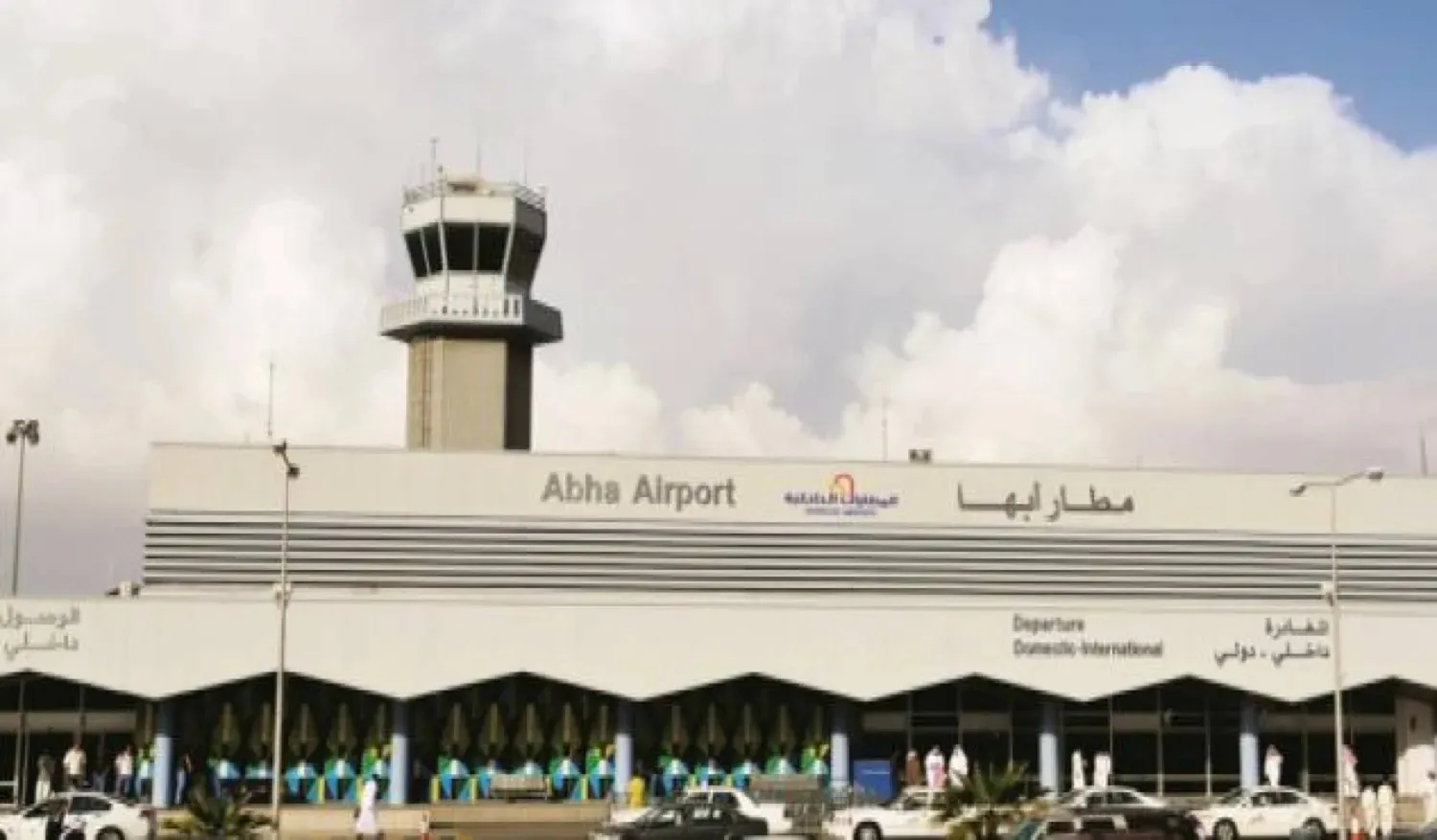
السعودية: وفاة 3 وإصابة 36 باعتداءين على مطارَي أبها والرياض
صورة أرشيفية لمطار أبها الدولي (الشرق الأوسط)
أعلنت هيئة الطيران المدني السعودي تعرض مطارَي أبها والملك خالد الدوليين لاعتداءين استهدفا مرافقهما، يومي الثلاثاء والأربعاء، مشيرة إلى وفاة 3 أشخاص وإصابة 36 آخرين، ووقوع أضرار مادية.
وأوضحت الهيئة، في بيان، أنه نتجت عن الاعتداء السافر على مطار أبها الدولي حالتا وفاة لمقيمتين؛ مغربية وجزائرية، و28 إصابة لمواطنين، ومقيمين اثنين من الجنسيتين البنغلاديشية والفلبينية، تراوحت إصاباتهم من الطفيفة إلى البليغة.
وأضاف البيان أن الاعتداء على مطار الملك خالد الدولي أسفر عن حالة وفاة لمقيم سوداني، و8 إصابات، منها 5 مواطنين، ومقيمان مصريان، وآخر باكستاني، تراوحت من الطفيفة إلى البليغة.
ونوَّهت الهيئة أن فرق الطوارئ والجهات المختصة باشرت التعامل مع الاعتداءين فور وقوعهما وفق الإجراءات والخطط المعتمدة، مضيفة أنه جرى بشكل فوري نقل كل المصابين إلى المستشفى لتلقي الرعاية الطبية اللازمة. هذا ونتج عن الاعتداءين بعض الأضرار المادية.
وأكّد البيان أن الهيئة تعمل - بالتكامل والتنسيق المستمر مع الجهات الأمنية ذات العلاقة - على تقييم الأضرار، واتخاذ جميع الإجراءات اللازمة لضمان سلامة المسافرين والعاملين، والمحافظة على أمن وسلامة منظومة الطيران المدني في البلاد.
تتخطى وجبة الإفطار؟ 3 أشياء قد تحدث لمستويات طاقتك
عدم تناول الطعام صباحاً قد يؤدي إلى زيادة الشعور بالجوع والرغبة في تناول كميات أكبر من الطعام لاحقاً (بكسلز)
قد لا تكون وجبة الإفطار بالضرورة «أهم وجبة في اليوم» من الناحية العلمية، لكن تخطيها والاستمرار من دون طعام طوال النصف الأول من اليوم حتى موعد الغداء قد ينعكس على مستويات الطاقة لدى بعض الأشخاص بطرق مختلفة.
فبعد ساعات الصيام أثناء النوم، يعتمد الجسم على مخزونه من الطاقة للحفاظ على وظائفه، ومع استمرار الصيام حتى الظهر قد تحدث تغيرات في مستويات سكر الدم وهرمونات التوتر، كما يمكن أن تزداد الرغبة في تناول الطعام لاحقاً. وقد تظهر نتيجة ذلك أعراض مثل التعب والخمول وتشوش الذهن، وربما هبوط الطاقة خلال فترة ما بعد الظهر، وفقاً لموقع «فيري ويل هيلث».
فماذا قد يحدث لمستويات طاقتك عندما تتخطى وجبة الإفطار؟
1. قد ترتفع هرمونات التوتر
يرتفع مستوى الكورتيزول، المعروف باسم «هرمون التوتر»، وينخفض بصورة طبيعية في أوقات مختلفة من اليوم بما يتماشى مع الساعة البيولوجية الداخلية للجسم.
وعادة ما يصل مستوى الكورتيزول إلى ذروته في الصباح، وهو ما يساعد الجسم على الشعور باليقظة والاستعداد لبدء اليوم.
لكن عندما لا يحصل الجسم على الطاقة من الطعام في الصباح، قد تتغير مستويات الكورتيزول وترتفع في أوقات غير معتادة، مثل فترة ما بعد الظهر.
وقد تمنح هذه التقلبات في مستوى الكورتيزول شعوراً مؤقتاً باليقظة، إلا أن ذلك قد يتبعه لاحقاً شعور بالتعب وتشوش الذهن، أو ما يُعرف بـ«ضبابية الدماغ»، إلى جانب هبوط حاد في مستويات الطاقة خلال فترة ما بعد الظهر.
2. قد ينخفض مستوى السكر في الدم
يحدث انخفاض سكر الدم، أو ما يُعرف طبياً بـ«نقص سكر الدم»، عندما تصبح كمية الجلوكوز الموجودة في مجرى الدم منخفضة إلى درجة لا تكفي معها لتلبية احتياجات خلايا الجسم من الطاقة.
وأثناء النوم، يكون الجسم فعلياً في حالة صيام. وخلال هذه الفترة، يستخدم الكبد «الجليكوجين»، وهو مادة مشتقة من الجلوكوز ومخزنة في الجسم، للمساعدة على توفير الطاقة التي يحتاج إليها.
لكن عند تخطي وجبة الإفطار، تمتد فترة الصيام إلى وقت أطول، ما يعني استمرار الجسم في الاعتماد على مصادر الطاقة المخزنة.
ومع انخفاض الجلوكوز واستنزاف مخزونات الجليكوجين، يبدأ الجسم في البحث عن مصدر بديل للطاقة، وغالباً ما يلجأ إلى الأحماض الدهنية، التي لا توفر الطاقة بالطريقة نفسها التي يوفرها بها الجلوكوز.
ونتيجة لذلك، قد تشعر بالضعف والخمول والإرهاق خلال اليوم.
3. قد تزداد رغبتك الملحة في تناول الطعام
لا تقتصر آثار تخطي وجبة الإفطار على الساعات الأولى من اليوم؛ إذ قد يؤدي عدم تناول الطعام صباحاً إلى زيادة الشعور بالجوع والرغبة في تناول كميات أكبر من الطعام لاحقاً، خصوصاً خلال وجبتي الغداء والعشاء.
وقد يميل الجسم أيضاً إلى اشتهاء أطعمة غنية بالسعرات الحرارية والكربوهيدرات المكررة، وهي أطعمة يمكن أن تؤدي إلى ارتفاع سريع وحاد في مستويات السكر في الدم.
وبعد تناول وجبة كبيرة وغنية بالسعرات الحرارية والكربوهيدرات، قد تشعر في البداية بدفعة من الطاقة مع حصول الجسم مجدداً على الجلوكوز.
إلا أن هذه الدفعة قد لا تستمر طويلاً؛ إذ يمكن أن يعقب الارتفاع السريع في سكر الدم انخفاض أكثر حدة في مستويات الطاقة، خصوصاً إذا كانت الوجبة تحتوي على كميات كبيرة من الأطعمة التي تؤدي إلى ارتفاع سريع في الجلوكوز.
وقد يظهر هذا الانخفاض في الطاقة في وقت لاحق من اليوم في صورة مجموعة من الأعراض، تشمل:
- الشعور المفاجئ بالتعب.
- الضعف العام.
- تشوش الذهن أو «ضبابية الدماغ».
- الجوع الشديد نتيجة حاجة الجسم إلى مزيد من الجلوكوز.
From ‘Ahmed the Japanese’ to ‘Sinwar’s Flood’: A Tale of Torment and a River of Graves
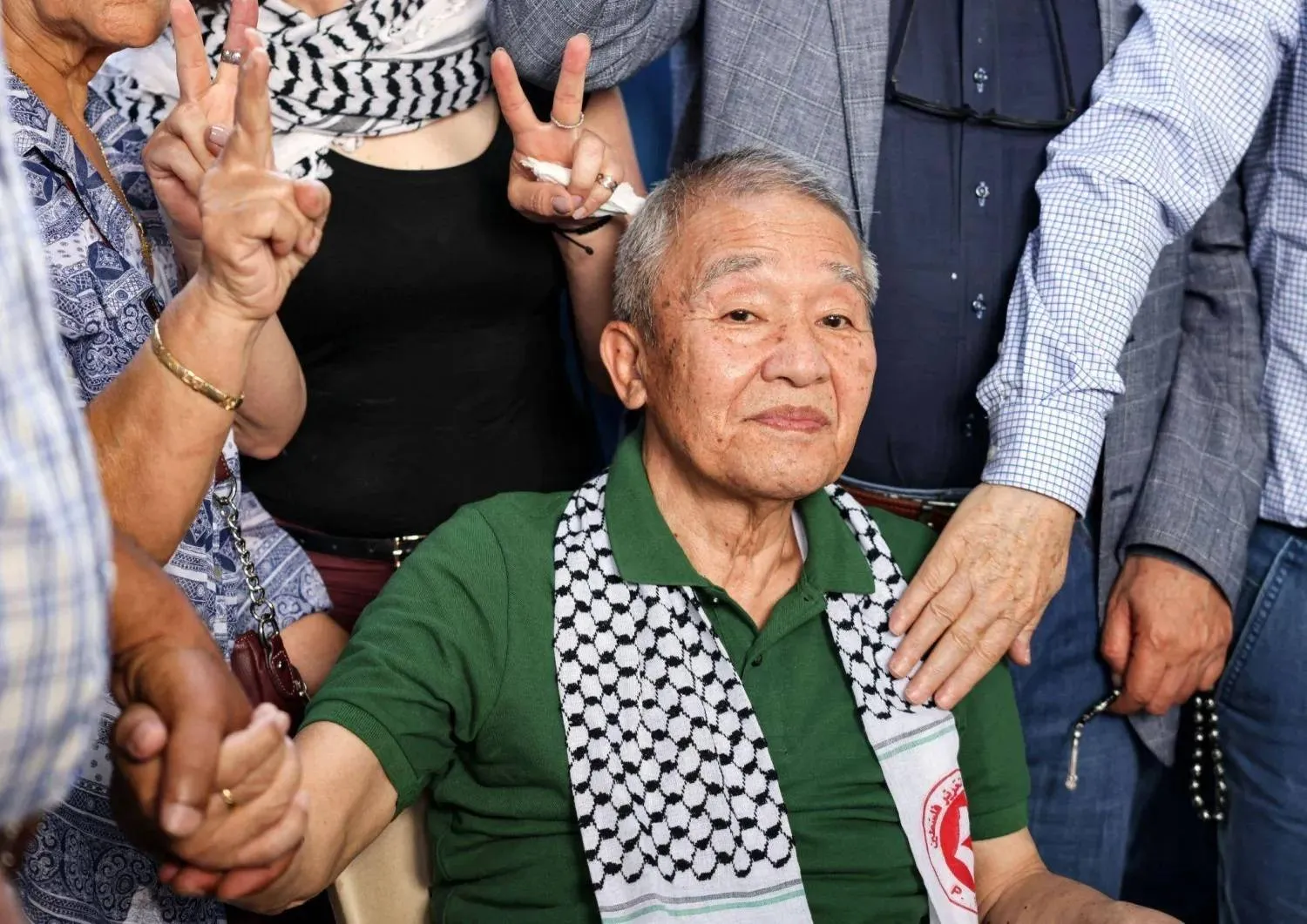
Okamoto stands before his two comrades’ graves during a commemoration of the 50th anniversary of the Lod Airport attack in 2022. (AFP)
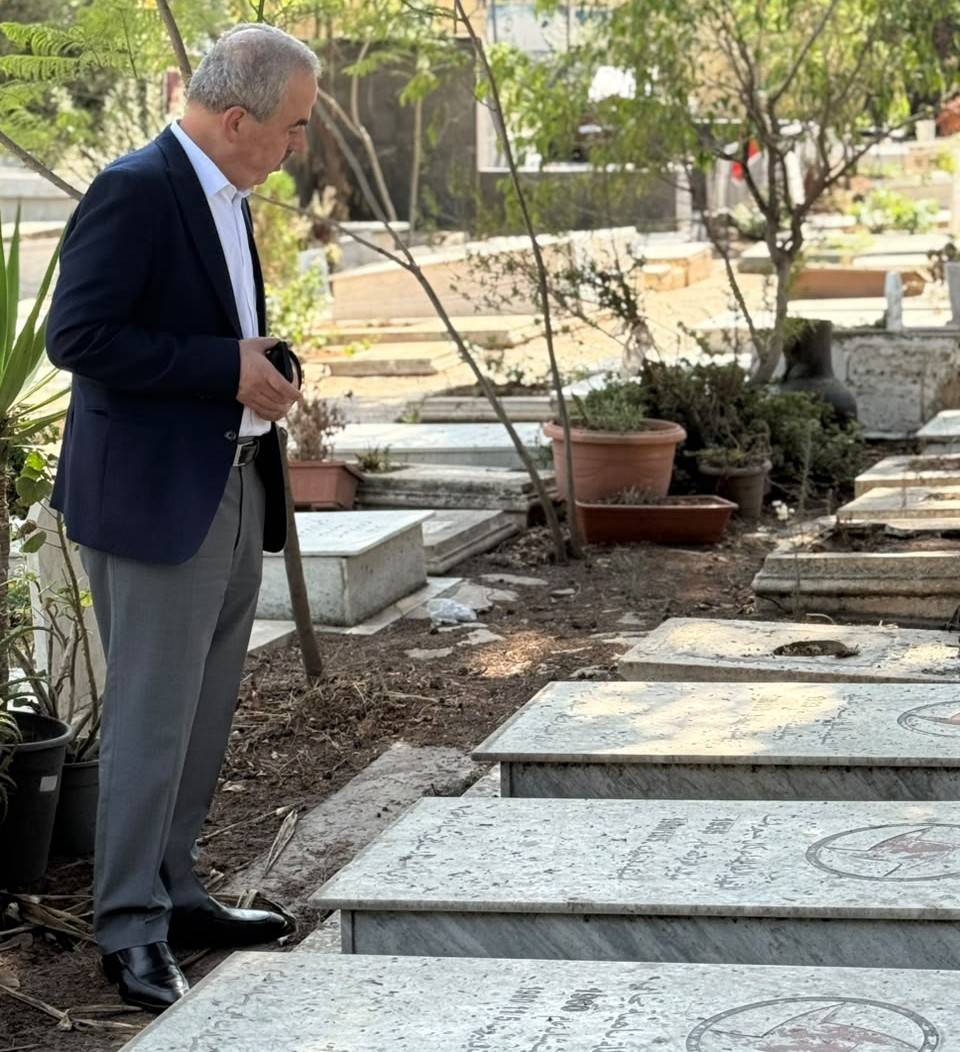
The cemetery caretaker was kind and friendly. Perhaps he was glad that those whose graves he tended had not slipped into total oblivion, that someone still visited or asked about them. He led me through Beirut’s Cemetery of the Martyrs of the Palestinian Revolution.
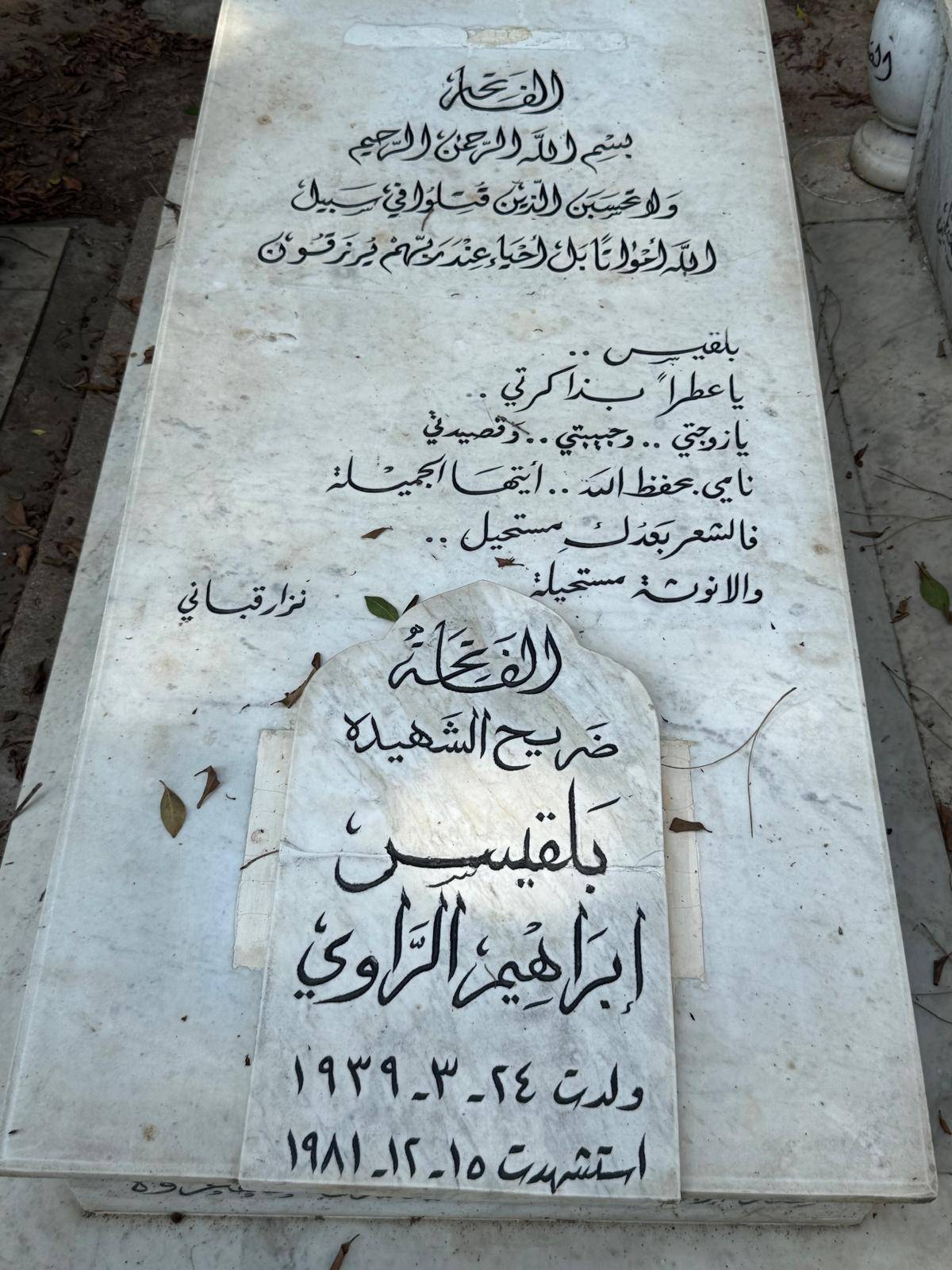
Many names stopped me, including Balqis, the wife of poet Nizar Qabbani, killed in a bombing at the Iraqi Embassy in Beirut. Lines from his searing elegy adorned her grave.
Chance sometimes decides destinies. Stories can begin with an unintended spark. Here are two such coincidences.
Hazem Jawad, who led Iraq’s Baath Party to power in 1963, told me a revealing story. In 1959, a group within the party leadership decided to assassinate Iraqi leader Abdul Karim Qasim.
They selected a team, but one member withdrew after agreeing to take part. Short of time, the leadership asked a party official whether he knew a young replacement. He gave them a name: Saddam Hussein.
Saddam joined the failed assassination attempt and was wounded in the leg. He fled to Syria, where he met party founder Michel Aflaq. Impressed by the young man, Aflaq gave him opportunities a few years later to climb the party ranks.
Around the same time, associates of Palestinian leader Dr. Wadie Haddad told me of another coincidence. Haddad was planning the Lod Airport attack, carried out on May 30, 1972, which killed dozens of people, most of them tourists.
According to their account, a young man due to take part drowned while swimming off Beirut’s Raouche district. Intelligence services overlooked the incident and the dead man’s role. Haddad, however, decided to accelerate the operation.
Ghassan Charbel among the graves at the Palestinian Revolution Cemetery (Asharq Al-Awsat)
Together with the Japanese Red Army group, he sought a replacement. They chose Kozo Okamoto, known as “Ahmed the Japanese” within the Popular Front for the Liberation of Palestine’s external operations branch.
Haddad met the team and gave them instructions after their training in Baalbek, in Lebanon’s Bekaa Valley. They left Beirut for a European stopover, then traveled to Rome and boarded an Air France flight to Israel’s Lod Airport.
It was a suicide mission. None of the attackers was expected to survive. Chance intervened: two were killed; Okamoto was wounded and captured.
For years, he grieved “because he had been unable to leave his body in the soil of Palestine” and “because he had not become a star in the sky like his two comrades,” in keeping with his Japanese beliefs.
Okamoto endured unprecedented torture in his Israeli prison. He was confined in a dog cage, his hands bound. For years, he had to wait for a dog to howl, then howl back before a soldier brought him food. The soldier never asked him a question or spoke a word.
In that deadly isolation, he lost the ability to use his hands, or even to think of using them. Perhaps he expected to grow old and die there. Then an event changed his life.
The Popular Front for the Liberation of Palestine-General Command, led by Ahmed Jibril, was holding three Israeli soldiers after Israel’s 1982 invasion of Lebanon.
In the mid-1980s, the group entered arduous indirect negotiations with Israel, helped by Austrian Chancellor Bruno Kreisky. The talks lasted about two years. Jibril insisted that the exchange include prominent prisoners in Israeli jails.
The deal was ready. The exchange took place on May 20, 1985. My profession brought me there. Our plane left Damascus for Geneva, carrying one of the three Israeli soldiers. After the successful exchange, it flew us to Tripoli. Jibril also wanted to dedicate the victory to Col. Muammar Gaddafi, who had supported him generously in every way.
Among the most prominent prisoners released were Sheikh Ahmed Yassin, the leader of Hamas; Ziad al-Nakhalah, who later became secretary-general of Islamic Jihad; and the well-known Palestinian leader Jibril Rajoub. The fourth was Okamoto. A different chapter of his life began.
After a brief stay in Libya, he went to Syria. He most likely slipped into Lebanon around 1987 and lived with comrades in the Bekaa Valley, changing residences from time to time. In 1997, Lebanese authorities arrested a group of Japanese nationals there. Okamoto was sentenced to three years for entering the country illegally.
The group was released in 2000. But he could not return to Japan, where he was wanted.
The Popular Front for the Liberation of Palestine organized protests with several parties and public figures to secure permission for him to stay in Beirut. Salim al-Hoss was prime minister, Maj. Gen. Jamil al-Sayyed headed General Security, and Gen. Emile Lahoud was president.
In an unprecedented step, Lebanese authorities granted Okamoto political refugee status, on condition that he undertake no activities on Lebanese soil.
The Popular Front took it upon itself to repay the Japanese fighter, covering his living expenses, medical treatment and rehabilitation. His only public activity was laying an annual wreath at the memorial to those killed carrying out the Lod attack, in the martyrs’ cemetery.
He renewed his pledge to his two comrades to become a star in the sky.
Okamoto left his Israeli prison shattered.
He resembled “the remains of a man.” His back was bent, his hands unusable. He ate directly with his mouth, without using his hands. He did not know how to bathe or make coffee.
He dared not switch off the light.
He did not want to revisit the Lod attack. His caregivers avoided discussing it in ways that might reopen his wounds.
Trusted doctors helped him. From 2008 to 2021, Samih Rizk cared for him, becoming “a father, brother, friend and comrade.”
After Samih died, Fouad Daher, who oversaw the Popular Front’s social work in Lebanon, took over. His friendship with Okamoto had begun during Samih’s lifetime.
Okamoto loved the sea at Tyre. His caregivers took him there. He regained a measure of normal life. He liked fish, meat and chicken, and sometimes fancied a glass of wine or a bottle of beer. Occasionally, he asked for a falafel or shawarma sandwich. His Arabic was poor. So was his English.
His movements were never announced in advance. His caregivers saw no sign that Israel had tried to reach him again. Years earlier, the United States had announced a $5 million reward for information on his whereabouts. The Popular Front did not tell him.
In his final years, he lived with a family he loved and who loved him. He never married, had no girlfriend and showed no interest in either. No relative in Japan tried to visit or write to him.
“Okamoto is part of something larger,” Fouad Daher says.
“Yesterday, I visited the graves of the martyrs of the Palestinian revolution. I told someone I met there that the cemetery reflects the international character of the Palestinian cause, which embraces different nationalities and religions.”
“There are Japanese, French, Turkish, Italian, Iranian and Iraqi people buried there. Go to the caretaker and he will show them to you. The grave of Kamal Nasser, a Christian, is next to those of Mohammed Youssef al-Najjar and Kamal Adwan.”
Last July, Okamoto’s health deteriorated. On July 23, he died at Al-Rassoul Al-Aazam Hospital.
His story stirred me. I decided to visit the martyrs’ cemetery. I walked among the graves of Ghassan Kanafani, Abu Hassan Salameh, Kamal Nasser and Balqis, the wife of poet Nizar Qabbani. I also saw the graves of the “foreign martyrs.”
Chance played its part. I had not planned to write about Okamoto. I visited Beirut’s Mar Elias refugee camp to gauge the mood on the eve of the third anniversary of “Sinwar’s Al-Aqsa Flood.” I saw the misery of life in the camp. Then I spotted Okamoto’s photograph on a wall, and the story took another turn.
The caretaker led me to Ghassan Kanafani’s grave. A member of the Popular Front for the Liberation of Palestine’s political bureau, he was assassinated in direct connection with the Lod Airport attack and what Okamoto and his two comrades had done.
He was the official spokesman for the Popular Front, which claimed responsibility.
Haddad’s associates told me they had feared for Kanafani. They urged him to change his residence and car. He refused, “because he feared being accused of behaving like a bourgeois.”
Mossad soon reached him. On July 8, 1972, a bomb exploded in his car, killing him and his niece, 17-year-old Lamis Najm. The titles of his novels came to mind: “Umm Saad,” “Men in the Sun” and “Returning to Haifa.”
In this quiet place lies a man who lived loudly: Abu Hassan Salameh. Born into a wealthy family, he followed his father’s example in resisting occupation. He loved the struggle, life, women and late nights.
Beirut was long captivated by his marriage to Georgina Rizk, Miss Lebanon and Miss Universe. He founded Force 17, the military unit charged with protecting Yasser Arafat. He was close to the leader’s office and heart.
Salameh helped oversee overseas operations against Israeli interests. After a long pursuit, Israel’s Mossad assassinated him in Beirut on Jan. 22, 1979. Many stories surrounded the “Red Prince,” including that he was killed over his connection to the attack on the Israeli team at the 1972 Munich Olympics.
He had no part in conceiving or carrying out that attack, Mohammed Oudeh, known as Abu Daoud, told me. Oudeh brought the attackers into the Olympic Village with weapons Salah Khalaf, known as Abu Iyad, had personally brought to Munich.
Others believe Salameh, whom a Mossad operative had managed to approach, was killed “because he succeeded in opening a channel to the CIA, which caused Israel grave concern.”
We passed the grave of Palestinian leader and writer Majed Abu Sharar.
Mossad booby-trapped his bed in a Rome hotel, where he was staying while attending a conference in solidarity with the Palestinian people alongside the great poet Mahmoud Darwish.
I recalled Mahmoud’s poem “Good Morning, Majed,” which opens: “Rise, recite the surah of the returning one, and hasten toward a country we lost in a traffic accident.”
Nationalities lie side by side here, the caretaker said. So do religions.
He pointed to the grave of Kamal Nasser, the Christian Palestinian leader, beside those of Kamal Adwan and Abu Youssef al-Najjar. Nasser, a poet, had been “envious” of Kanafani’s funeral. “How magnificent,” he said.
“This is what a martyred writer’s wedding should be.”
Nasser, Adwan and Najjar were assassinated on April 10, 1973, in the Israeli army’s nighttime raid on Beirut known as the Verdun operation. One of the officers who took part in the three assassinations was disguised as a woman. His name was Ehud Barak. He would later become prime minister.
Another grave was no less painful. On Dec. 15, 1981, a car bomb rammed into the Iraqi Embassy in Beirut. Among the dead was diplomat Balqis al-Rawi, the wife of the great poet Nizar Qabbani. A passage from his poem adorned her grave:
Balqis...
O fragrance in my memory,
my wife... my beloved... my poem.
Sleep in God’s keeping,
my beautiful one.
For after you, poetry is impossible...
and femininity is impossible.
Nizar Qabbani’s verses on Balqis’s tombstone (Asharq Al-Awsat)
The caretaker wanted no photograph and no words. “I am only a caretaker,” he said. “The story belongs to those who lie in these graves.” I asked who paid his salary. Fatah, he replied.
On the way back, I remembered Mahmoud Darwish, who defies forgetting. I remembered Yasser Arafat, too, and his dream of a grave in a free Palestine. I returned weighed down by a “river of graves.”
لم تشترك بعد
انشئ حساباً خاصاً بك لتحصل على أخبار مخصصة لك ولتتمتع بخاصية حفظ المقالات وتتلقى نشراتنا البريدية المتنوعة