سعودی: آتش‌بس یمن با هدف دائمی‌بودن و آغاز روند سیاسی بین دولت و حوثی‌هاست

ریاض از تمدید دو ماهه آن استقبال و بر اهمیت باز کردن گذرگاه‌های بشردوستانه در تعز تاکید کرد


وزارت خارجه سعودی بر اهمیت تعهد حوثی ها به مفاد آتش بس فعلی تاکید کرد (الشرق الاوسط)
TT

سعودی: آتش‌بس یمن با هدف دائمی‌بودن و آغاز روند سیاسی بین دولت و حوثی‌هاست


وزارت خارجه سعودی بر اهمیت تعهد حوثی ها به مفاد آتش بس فعلی تاکید کرد (الشرق الاوسط)

پادشاهی عربی سعودی از تمدید آتش بس در یمن به مدت دو ماه دیگر استقبال و بر اهمیت باز کردن گذرگاه های بشردوستانه در تعز تاکید کرد.
وزارت امور خارجه سعودی در بیانیه‌ای از تلاش‌های هانس گراندبرگ فرستاده ویژه دبیرکل سازمان ملل متحد در امور یمن در تقویت پایبندی به آتش بس تحت حمایت سازمان ملل، در راستای ابتکار پادشاهی عربی سعودی مطرح شده در مارس سال گذشته برای پایان دادن به بحران یمن و دستیابی به یک راه حل سیاسی جامع قدردانی کرد.
وزارت امور خارجه سعودی بر موضع قاطع این کشور و حمایت آن از هر چیزی که امنیت و ثبات جمهوری یمن را تضمین و خواسته های مردم یمن را تامین می کند، تاکید کرد.
ریاض تاکید کرد که آتش بس در درجه اول دستیابی به یک آتش بس دائمی و همه جانبه در یمن و آغاز روند سیاسی بین دولت یمن و حوثی ها است، همچنین بر اهمیت تعهد حوثی‌ها به شرایط آتش‌بس فعلی و بازگشایی سریع گذرگاه‌ها در تعز برای کاهش درد و رنج انسانی در آنجا و واریز درآمدها به بانک مرکزی یمن برای پرداخت حقوق غیرنظامیان تأکید می‌کند.


الأسهم العالمية تصعد والدولار يقوى رغم تراجع رهانات رفع الفائدة الأميركية

لافتات تشير إلى تقاطع شارع وول ستريت وبرودواي في الحي المالي بمدينة نيويورك (أ.ب)
TT

الأسهم العالمية تصعد والدولار يقوى رغم تراجع رهانات رفع الفائدة الأميركية

لافتات تشير إلى تقاطع شارع وول ستريت وبرودواي في الحي المالي بمدينة نيويورك (أ.ب)

بدأت أسواق الأسهم الأسبوع على ارتفاع، الاثنين، بينما واصل الدولار مكاسبه أمام اليورو، رغم تراجع رهانات المستثمرين على رفع مجلس «الاحتياطي الفيدرالي» أسعار الفائدة في أكتوبر (تشرين الأول)، مع استمرار المخاوف بشأن التضخم وارتفاع عوائد السندات الأميركية.

فقد ارتفعت الأسهم العالمية في بداية تعاملات الأسبوع، بعدما عزَّزت بيانات الوظائف الأميركية الضعيفة التوقعات بأن يحجم مجلس «الاحتياطي الفيدرالي» عن رفع أسعار الفائدة هذا الشهر، في حين واصل الدولار صعوده مدعوماً بارتفاع عوائد سندات الخزانة الأميركية وتراجع اليورو.

وتراجع احتمال رفع الفائدة الأميركية في أكتوبر إلى أقل من 20 في المائة، مقارنة بنحو 64 في المائة قبل أسبوع، وفق أداة «فيد ووتش» التابعة لـ«سي إم إي». ومع ذلك، لا يزال المتعاملون يتوقعون رفع الفائدة في ديسمبر (كانون الأول).

وأظهرت بيانات صدرت الأسبوع الماضي تباطؤ نمو الوظائف في الولايات المتحدة خلال سبتمبر (أيلول) بأكثر من المتوقع، إلى جانب خفض حاد لبيانات الوظائف غير الزراعية للشهرين السابقين، مما عزَّز الاعتقاد بأن رفعاً جديداً للفائدة في أكتوبر أصبح أقل احتمالاً.

وقال خوسيه توريس، كبير الاقتصاديين لدى «إنتراكتيف بروكرز»، إن تعديلات بيانات الوظائف تشير إلى فقدان الاقتصاد الأميركي وظائف في شهرين من أصل الأشهر التسعة المنقضية من العام، وإن مخاطر المزيد من الخسائر في سوق العمل تحد من قدرة «الفيدرالي» على مواصلة رفع الفائدة.

ودفع تراجع توقعات رفع الفائدة مؤشر «نيكي» الياباني إلى الارتفاع 2.5 في المائة، فيما صعد مؤشر «إم إس سي آي» الأوسع نطاقاً لأسهم منطقة آسيا والمحيط الهادئ باستثناء اليابان 0.9 في المائة.

كما ارتفعت العقود الآجلة لمؤشر «ناسداك» 0.17 في المائة، بينما استقرت عقود «ستاندرد آند بورز 500»، وصعدت عقود «يورو ستوكس 50» نحو 0.3 في المائة، و«فاينانشيال تايمز 100» نحو 0.4 في المائة.

الدولار يواصل الصعود

ارتفع الدولار (الاثنين)، مدعوماً ببقاء عوائد سندات الخزانة الأميركية عند مستويات مرتفعة، إضافة إلى تراجع اليورو الذي بلغ أدنى مستوى له في 17 شهراً.

وانخفض اليورو 0.6 في المائة إلى 1.1185 دولار، متأثراً بالمخاوف المالية في فرنسا.

وقالت جين فولي، رئيسة استراتيجية العملات الأجنبية لدى «رابوبنك»، إن اتساع الفارق بين عوائد السندات الحكومية الفرنسية والألمانية أثار مخاوف بشأن انتقال الضغوط إلى أسواق الأصول الأخرى في منطقة اليورو، وزاد احتمالات تعرض العملة الموحدة لضغوط من تدفقات خارجة.

وأضافت أن هذه المخاوف تأتي إلى جانب انخفاض مخزونات الغاز الأوروبية، وارتفاع أسعار الطاقة، والمنافسة المتزايدة من الصين، وضعف موقف المستشار الألماني، ومخاطر الهجمات الهجينة من روسيا.

وارتفع الدولار أمام الين 0.12 في المائة إلى 158.01 ين، بينما تراجع الجنيه الإسترليني 0.25 في المائة إلى 1.3205 دولار.

وفي سوق السندات، تراجعت عوائد سندات الخزانة الأميركية لأجل عشر سنوات قليلاً إلى 5.2579 في المائة، بينما بلغت عوائد السندات لأجل عامين 4.8059 في المائة.

ولا تزال عوائد السندات في الاقتصادات الكبرى قرب أعلى مستوياتها في عدة سنوات، مع تعرض أسعار السندات لضغوط بفعل تدهور المالية العامة، وزيادة إصدارات الديون، وارتفاع تكاليف الطاقة.

وفي السلع، تراجعت أسعار النفط مع زيادة صادرات الخام من الشرق الأوسط وإعلان «مجموعة السبع» الإفراج عن مخزونات نفطية، مما عزَّز الإمدادات وخفف أثر المخاوف من تعرض مزيد من منشآت الطاقة في الخليج لأضرار.

وانخفض خام برنت 0.7 في المائة إلى 101.52 دولار للبرميل، بينما تراجع الخام الأميركي بأكثر من 1 في المائة إلى 90.11 دولار.

واستقر الذهب الفوري تقريباً عند 4143.82 دولار للأوقية.

وفي البرازيل، تتجه الأسواق إلى تسجيل تحركات قوية بعد أن أظهرت نتائج الجولة الأولى من الانتخابات الرئاسية تقدم السيناتور فلافيو بولسونارو، الذي سيواجه الرئيس لويس إيناسيو لولا دا سيلفا في جولة الإعادة.


What Will the Next Leader of the UN Need to Get the Job Done in an Increasingly Complex World?

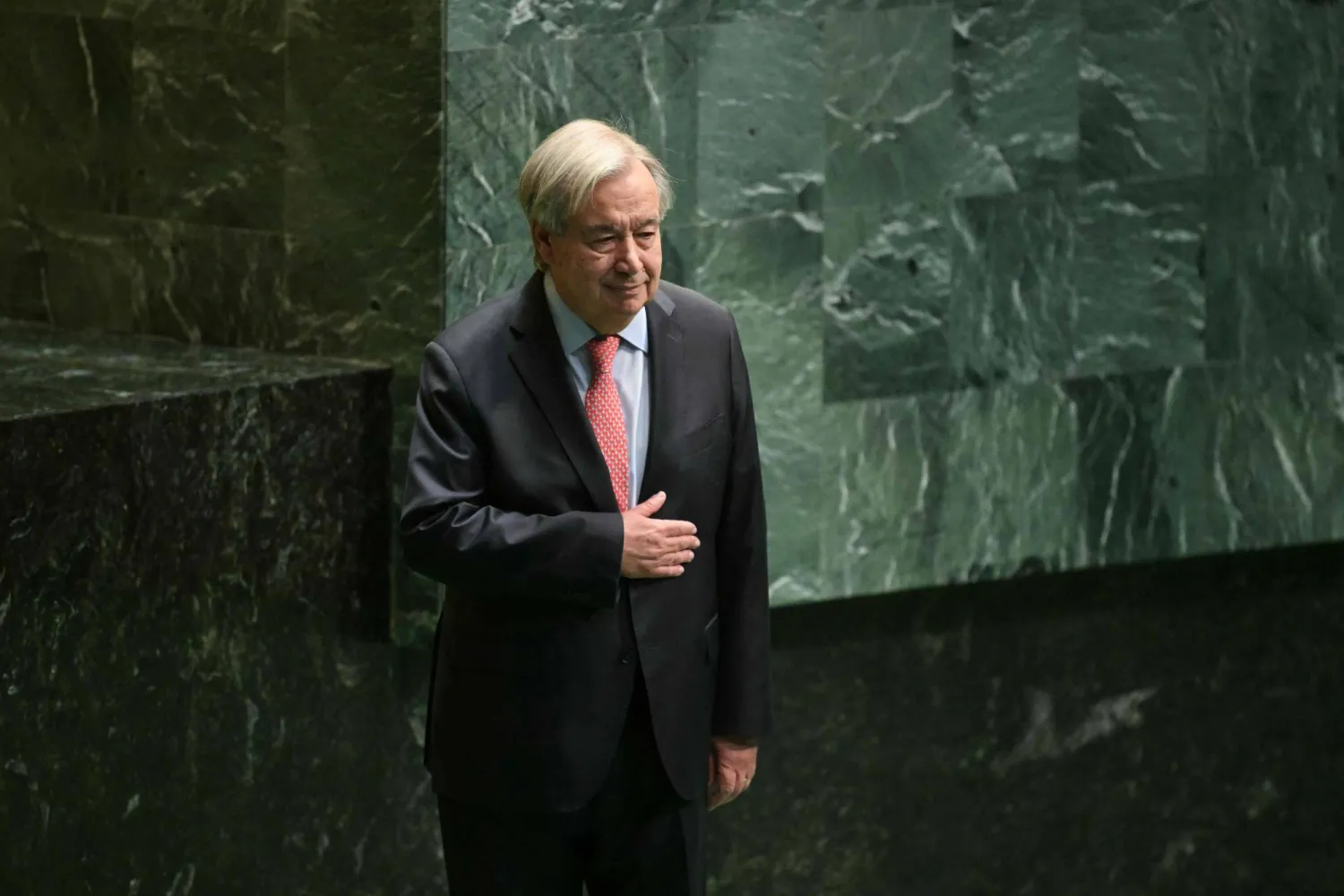
UN Secretary General Antonio Guterres receives a standing ovation after speaking during the 81st United Nations General Assembly at the United Nations Headquarters in New York, on September 22, 2026. (Photo by ANGELA WEISS / AFP)
TT

What Will the Next Leader of the UN Need to Get the Job Done in an Increasingly Complex World?

UN Secretary General Antonio Guterres receives a standing ovation after speaking during the 81st United Nations General Assembly at the United Nations Headquarters in New York, on September 22, 2026. (Photo by ANGELA WEISS / AFP)

On Jan. 1, the next United Nations secretary-general will take over an aging organization still controlled by World War II powers. What will the world need from that person?

Once a major player in solving conflicts and crises around the world, the 81-year-old institution has been sidelined from the top table in trying to end the wars in Iran, Ukraine and Gaza. And its precarious financial situation — caused mainly by the billions of dollars the United States owes — has forced major cuts to its humanitarian and development programs where it has remained a key player.

The annual global gathering of world leaders at the United Nations that ended last week shed some light on what the next UN chief needs to focus on and pursue.

In his farewell address to the General Assembly, outgoing Secretary-General Antonio Guterres told global leaders, “The world does not need a weaker United Nations.”

“It needs a UN strong enough to face the world as it is," he said, “and determined enough to build the world as it should.”

But is that even possible?

Much talk of a shared future with the UN at the center

After 10 years at the helm of the United Nations, Guterres said he is strongly convinced that its greatest power is to build a tomorrow that works for everyone. As he put it, “Our shared future will be forged by whether humanity can govern power wisely.”

Guterres then issued challenges to the United Nations that will be led by his successor, the 193 countries in the General Assembly “and humanity itself."

Will you “uphold the law before impunity becomes normalized?” Will you “end wars before they consume generations?” Will you tackle inequality “before societies fracture?” Will you accelerate climate action “before tipping points are crossed?” Will you govern artificial intelligence “before it governs us?" Guterres asked.

For the next secretary-general — the selection process is ongoing — the top priority will be reconfiguring the United Nations to reflect the 21st century rather than the post-World War II era when it was established.

The new UN chief “will have the most monumental task that the UN has faced in decades because you have a UN that’s going through this critical reform process that it has not gone through for a long time,” said Kizito Byenkya, the Open Society Institute’s advocacy director.

The UN's financial crisis has led to budget cuts and efforts to consolidate programs and agencies, and eliminate hundreds of mandates ordering the UN Secretariat to take a wide variety of actions and deliver reports, many that never get read. That's just to name a few.

At the same time, Byenkya told The Associated Press, “You have huge pressure on all sides for the new secretary-general to act like a general and really play a central role in mediation for world conflicts.” He cited the late secretary-general Kofi Annan, who became directly involved in some conflicts and was a skilled mediator and negotiator.

“If you look at the conflicts we've been facing in the last few years, let's say from Gaza to Sudan to Ukraine and more, you often have to ask yourself: Where has the role of the United Nations been with all of these?,” he said. “In the time of Kofi Annan, he was center to all.”

Reform sounds good but is a lot harder than one might think

During high-level week, leader after leader spoke of the need for reform. But when it comes to taking action, serious and sometimes impossible differences emerge, especially when it comes to reforming the Security Council, the UN’s most powerful body and still controlled by the World War II victors.

All UN member nations want to see the council reflect the 21st century world, but there are huge national differences on how it should be expanded. That has stymied progress for decades.

The five permanent members — the US, Russia, China, Britain and France — hold veto power, which gives them ultimate control. Africa, home to 1.5 billion people, has no permanent seat. Neither does Latin America. Neither do the collection of island nations whose existence is threatened by climate change.

“Security Council reform is not a favor to Africa,” Ghana’s President John Mahama told world leaders last week. “It is an imperative for the legitimacy, credibility, and survival of the United Nations.”

Mahama also raised perhaps the most difficult problem that will confront the next UN chief: the world’s “intense fragmentation, deepening inequality and eroded trust in our multilateral system.”

“We must address the alarming breakdown of global order today,” he said, pointing to “the dangerous drift toward unilateralism."

Mahama lauded the UN Charter, whose opening words say the organization was founded to prevent a repetition of the 20th century’s two world wars. That, he said, “must reign supreme over the cynical doctrine that `might makes right.’”


İngiltere'de bir parti, Siyonizmi “ırkçılığın bir biçimi” olarak nitelendirdi

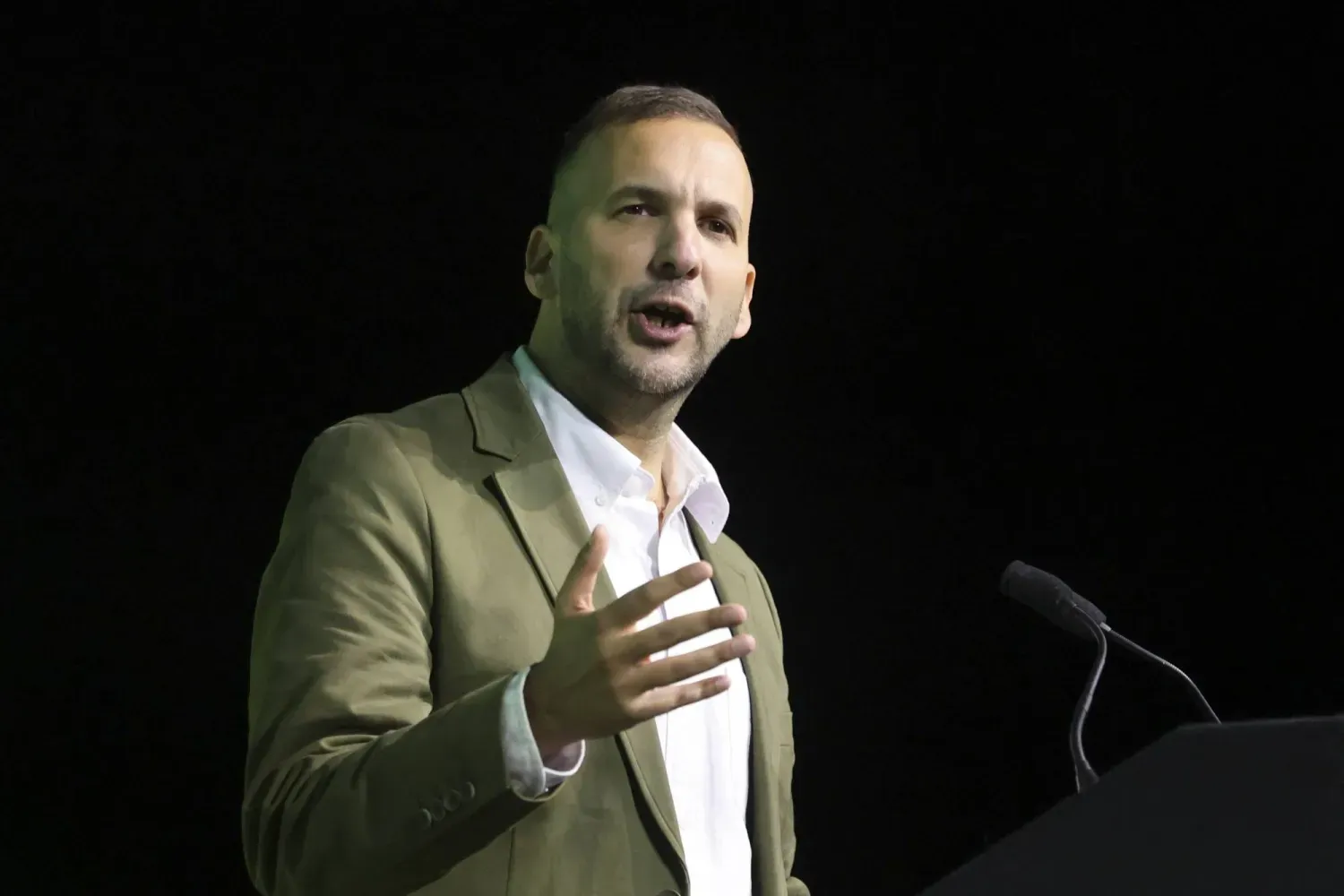
Sol eğilimli İngiltere Yeşiller Partisi lideri Zack Polanski, Brighton'da düzenlenen partisinin yıllık konferansında konuşurken (EPA)
TT

İngiltere'de bir parti, Siyonizmi “ırkçılığın bir biçimi” olarak nitelendirdi

Sol eğilimli İngiltere Yeşiller Partisi lideri Zack Polanski, Brighton'da düzenlenen partisinin yıllık konferansında konuşurken (EPA)

Sol eğilimli İngiltere Yeşiller Partisi, dün düzenlenen yıllık parti konferansındaki oylamada Siyonizmi “ırkçılığın bir biçimi” olarak nitelendirdi. Karar, İngiltere’deki Yahudi grupların ve İsrail hükümetinin sert tepkisine yol açtı.

İngiliz Avam Kamarası’nda 650 sandalyeden 5’ine sahip olan ve son yerel ile ara seçimlerde oylarını artıran Yeşiller Partisi üyeleri, söz konusu tanımı bin 22 oyla kabul ederken 813 üye karşı oy kullandı.

Kararda Siyonizmin “diğer tüm ırkçılık biçimleriyle aynı şekilde” ele alınması ve partinin “tarihî Filistin topraklarının tamamında tek ve demokratik bir Filistin devleti” kurulmasını desteklemesi öngörülüyor.

Partinin popülaritesi, lideri Zack Polanski yönetiminde yükseliş gösterirken, Yeşiller Partisi Gazze Şeridi’ndeki savaşa ilişkin İşçi Partisi hükümetinin tutumuna karşı çıkan seçmenlerden destek topluyor.

Yahudi toplumunu temsil eden üç kuruluş, oylama öncesinde partiye gönderdikleri mektupta, “Bu önerinin kabul edilmesi, Yeşiller Partisi’ni çağdaş dönemde, açıkça antisemitik görüşler içeriyor gibi görünen bir siyasi programı benimseyen, kayda değer seçim desteğine sahip ilk İngiliz siyasi parti haline getirebilir” ifadelerini kullandı.

Kuruluşlar ayrıca bunun “tüm İngiliz Yahudilerinin güvenliği ve esenliği açısından doğurabileceği sonuçlar” konusunda uyarıda bulundu.

İsrail Dışişleri Bakanlığı ise söz konusu politikanın “meşru siyasi tartışmanın sınırlarını” aştığı uyarısında bulundu.

Bakanlık, “İngiltere’deki tüm siyasi partiler, özellikle de iktidardaki İşçi Partisi, bu utanç verici kararı hiçbir şekilde muğlaklığa yer bırakmadan reddetmelidir” açıklamasında bulundu.

İsrail Cumhurbaşkanı Isaac Herzog da partinin kararını “utanç verici” olarak nitelendirdi. Herzog, X platformunda yaptığı paylaşımda, “Siyonizm, Yahudi halkının ulusal kurtuluş hareketidir ve Yahudi halkının İsrail topraklarında bir devlet ve ulusal yurt kurma hakkının temelini oluşturur” ifadelerine yer verdi.

Şarku'l Avsat'ın edindiği bilgiye göre partinin beş milletvekilinden en az üçünün karar tasarısına karşı çıkmasına rağmen Polanski, bu hafta başında yaptığı açıklamada “Filistin halkının yerinden edilmesi ve toplu olarak yok edilmesinin” “açıkça ırkçılık” olduğunu söyledi.