جریمه ۳۰۲ میلیون دلاری حکومت سوریه به دلیل قتل یک خبرنگار

جریمه ۳۰۲ میلیون دلاری حکومت سوریه به دلیل قتل یک خبرنگار
TT

جریمه ۳۰۲ میلیون دلاری حکومت سوریه به دلیل قتل یک خبرنگار

جریمه ۳۰۲ میلیون دلاری حکومت سوریه به دلیل قتل یک خبرنگار

دادگاهی در آمریکا روز پنجشنبه (۳۱ ژانویه) دولت سوریه را مسئول مرگ ماری کلوین خبرنگار جنگی سرشناس در سال ۲۰۱۲ شناخت و حکومت را به پرداخت ۳۰۲ میلیون دلار محکوم کرد.
امی پیرمن جکسون قاضی دادگاه گفت «دولت سوریه با برنامه ریزی و حمله به مرکز رسانه ای بابا عمرو در قتل خارج از چارچوب قانون شهروند آمریکایی دست دارد. بدین ترتیب، دولت مسئول اصلی قربانیان ناشی از حمله است».
خبرگزاری آلمان به نقل از جکسون افزود «دادستانی با ارائه مدارک کافی ثابت کرد که دولت سوریه مقصر اصلی مرگ کلوین است».
بستگان این خبرنگار از جمله خواهر کوچک او کاتلین کلوین این شکایت را مطرح کردند.
ماری کلوین همواره سوژه اصلی فیلم ها و برنامه های زندگی نامه ای معاصر بوده است. فیلم «جنگ ویژه» با استناد به زندگی این خبرنگار تهیه شد.
ماری کلوین به دنبال پوشش جنگ در سریلانکا در دهه نود میلادی مورد اصابت شدید قرار گرفت و عمل جراحی چشم انجام داد.
گزارش های میدانی کلوین از لیبی و چچن و مناطق درگیری دیگر در روزنامه ساندی تایمز منتشر شدند.
کولین ۵۶ ساله و عکاس فرانسوی ریمی اوشلیک هنگام پوشش رویدادهای جنگی در منطقه تحت کنترل شورشیان در شهر حمص سوریه کشته و چندین خبرنگار دیگر زخمی شدند.
البته هنوز مشخص نیست که آیا دادگاه های آمریکا در شرایط حاضر ابزارهای مناسب برای اجرای حکم را دارند یا خیر.



Trump Says He Is Still Considering Diesel Export Ban

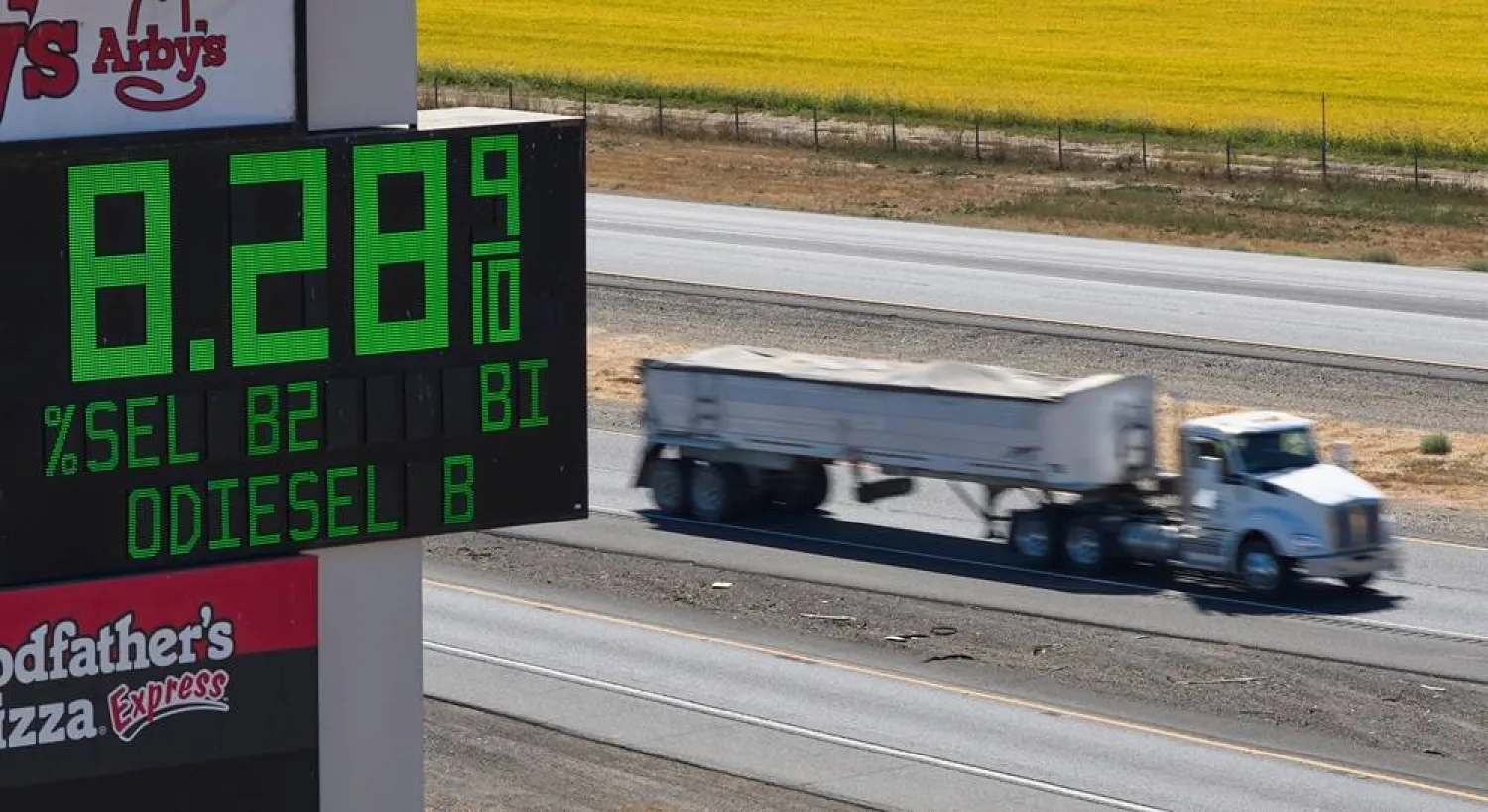
 A semi drives past a sign advertising the price of diesel along Interstate 5 in Williams, California, US, September 28, 2026. (Reuters)
A semi drives past a sign advertising the price of diesel along Interstate 5 in Williams, California, US, September 28, 2026. (Reuters)
TT

Trump Says He Is Still Considering Diesel Export Ban

 A semi drives past a sign advertising the price of diesel along Interstate 5 in Williams, California, US, September 28, 2026. (Reuters)
A semi drives past a sign advertising the price of diesel along Interstate 5 in Williams, California, US, September 28, 2026. (Reuters)

US President Donald Trump said on Wednesday that he has conversations about banning diesel exports "every day" as the White House races to curb soaring energy prices.

Speaking from the Oval Office, Trump said an export ban would "have a negative impact on gasoline" prices, but could lower diesel costs.

He said Russia's war in Ukraine, with strikes ‌from either side ‌impacting energy production and exports, is ‌the ⁠main cause of ⁠rising diesel prices.

He added: "We think we're in a very good place."

Gasoline prices have jumped more than 40% over the past year and diesel climbed to a record of $6.53 a gallon a week ago, according to AAA data. The price spike ⁠is largely driven by a combination of ‌a reduction in supply ‌due to the Iran war and interruptions to refining, in ‌part because of Ukraine's attacks on Russian energy ‌facilities.

The Trump administration and Republican candidates have been under pressure to bring down fuel costs as November's midterm elections approach and Trump's economic approval ratings remain under strain.

Energy Secretary ‌Chris Wright said the disruptions were more widespread.

"We've lost some diesel exports from the ⁠Middle ⁠East, although we're restoring those, and we've lost diesel exports from China," he said. "So that's a lot of interruptions."

He said the administration expected announcements soon from Europe about new diesel supplies.

The White House has urged the European Union to release emergency diesel stocks to help ease prices, Reuters reported.

The Trump administration has also weighed a blanket diesel export ban, voluntary export limits by refiners and allowing broader sales of tax-exempt diesel.


Hezbollah Denies Any Link to Cell Dismantled in Syria

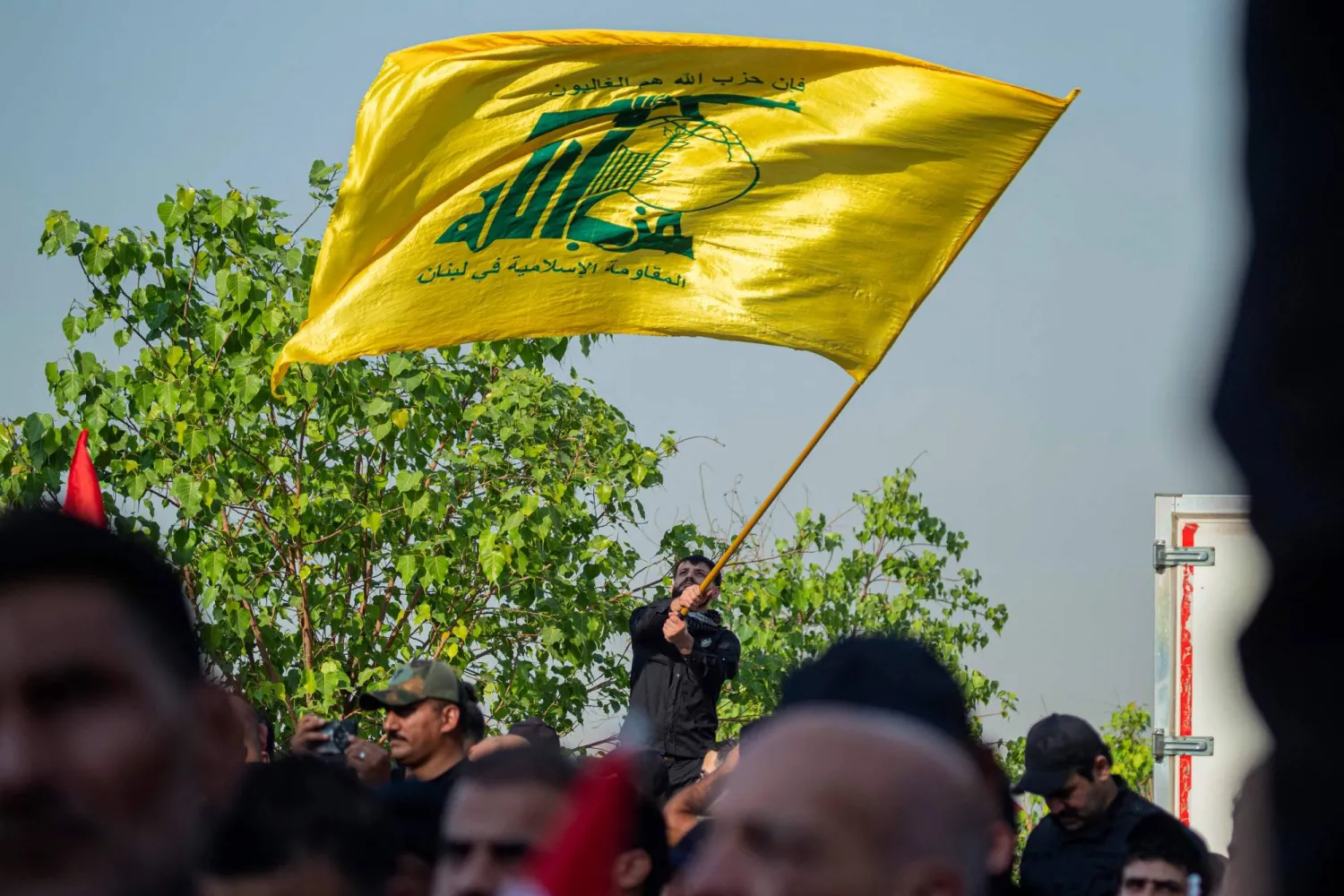
A man waves Hezbollah flag at the Tahrir Square in Baghdad on September 26, 2026, to mark the second anniversary of killing of Hezbollah's former chief Hassan Nasrallah, in a major strike by Israel on Beirut's southern suburbs in Lebanon. (AFP)
TT

Hezbollah Denies Any Link to Cell Dismantled in Syria

A man waves Hezbollah flag at the Tahrir Square in Baghdad on September 26, 2026, to mark the second anniversary of killing of Hezbollah's former chief Hassan Nasrallah, in a major strike by Israel on Beirut's southern suburbs in Lebanon. (AFP)

Hezbollah denied on Wednesday any connection to a cell that Syrian authorities said they had dismantled in the country's south and which they accused of being affiliated with the Lebanese group.

A statement from the Iran-backed movement's media office said it "categorically denies any relationship or connection between Hezbollah and the alleged cell" and emphasized that "it has no presence whatsoever on Syrian territory and has no involvement in any security or military activity there".

On Tuesday, Syria said intelligence services and security forces "thwarted a sabotage plot in the Yarmuk basin in Daraa (province) and arrested a Hezbollah-affiliated cell composed of three individuals".

Authorities said the cell attempted "to prepare rocket launch platforms with the aim of carrying out attacks to destabilize security and stability", without specifying the target.

The Yarmuk basin area, where state media has previously reported Israeli incursions and shelling, borders the Israeli-occupied Syrian Golan Heights, as well as Jordan.

Earlier on Tuesday, Israeli Prime Minister Benjamin Netanyahu had said there were "indications" that Israel's enemies could try to attack ahead of elections scheduled for late October.

Syria's new authorities, who ousted longtime ruler Bashar al-Assad in 2024, are hostile to Hezbollah, which is a sworn enemy of Israel and fought on Assad's side during the Syrian civil war.

Authorities have previously said they dismantled several Hezbollah-linked cells preparing attacks in Syria, accusations the group has denied.

In Wednesday's statement, Hezbollah accused Israel of seeking to disrupt ties between Lebanon and Syria.

It called on Syrian authorities "to identify the real beneficiary of escalating tensions between the two countries, namely the Israeli enemy".

Last month, Hezbollah's chief Naim Qassem said he had no objection to meeting openly with Syria's leadership.

In June, responding to a question about whether he would sit at the table with Hezbollah, Syrian President Ahmad al-Sharaa said that "if this serves Lebanon's interests and safeguards Syria's interests, why not".


US Removes Syria from Arms Export Ban

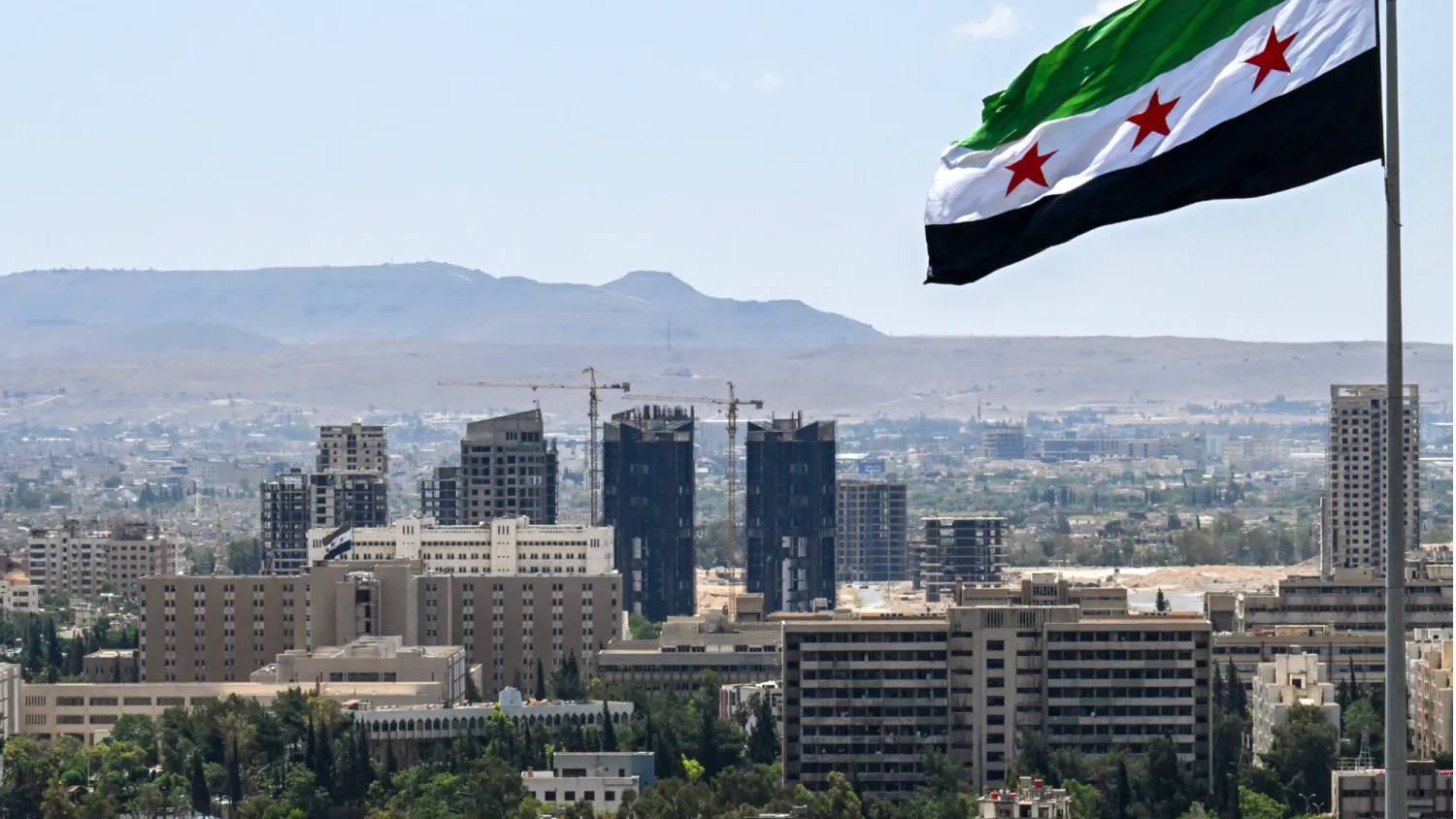
A large Syrian flag flutters above Tishreen Park in Damascus on June 4, 2025. (AFP)
TT

US Removes Syria from Arms Export Ban

A large Syrian flag flutters above Tishreen Park in Damascus on June 4, 2025. (AFP)

The Trump administration is removing Syria from a list of countries that are not allowed to purchase or import US weaponry, a step that is part of a monthslong process of easing sanctions on the new government in Damascus and its leaders.

In a notice published Wednesday in the Federal Register, the State Department said it was amending its International Traffic in Arms Regulations, or ITAR, so that Syria no longer was among the nations subject to a policy of denial for licenses and other approvals needed for the sale of US weapons and munitions.

The change effective Thursday means that arms sales requests from Syria will now be considered on a case-by-case basis.

President Donald Trump acted last year to ease economic sanctions on Syria that had been in place for decades during now-ousted President Bashar al-Assad’s rule. In August, Secretary of State Marco Rubio rescinded Syria’s designation as a state sponsor of terrorism, helping paving the way for the latest step in drawing closer to the current government.

The State Department has also announced plans to reopen the US Embassy in Damascus. It has been closed for 14 years.

With Syria’s removal from the ITAR blacklist, only seven countries remain subject to the policy of denial for licenses for US arms exports: Belarus, China, Cuba, Iran, Myanmar, North Korea and Venezuela.

Syria’s interim President Ahmad al-Sharaa overthrew the Assad government nearly two years ago and has embarked on a policy of change that has impressed the Trump administration. His moves have led to hopes of eventual stability in a country that was wracked by civil war and the ISIS insurgency that engulfed northeast and western Iraq for years.

Wednesday’s withdrawal of US forces from Iraq may mean that the Syrian government plays a greater role in preventing an ISIS resurgence.