الجبیر: دستان سعودی برای صلح دراز است اما با قاطعیت به تهدیدها پاسخ می‌دهد

الجبیر: دستان سعودی برای صلح دراز است اما با قاطعیت به تهدیدها پاسخ می‌دهد
TT

الجبیر: دستان سعودی برای صلح دراز است اما با قاطعیت به تهدیدها پاسخ می‌دهد

الجبیر: دستان سعودی برای صلح دراز است اما با قاطعیت به تهدیدها پاسخ می‌دهد

عادل الجبیر وزیر مشاور سعودی در امور خارجه تأکید کرد سعودی «با نگرانی شدید» تحولات اوضاع در سطح منطقه ای و بین‌المللی که به واسطه اقدامات نظام ایران و عوامل تهاجمی آن در منطقه تنش‌بار شده، پیگیری را می‌کند.
به گزارش الشرق الاوسط، الجبیر روز یکشنبه (۲۹ اردیبهشت) در نشست خبری گفت: دست سعودی همواره برای صلح دراز است و برای تحقق آن تلاش می‌کند و معتقد است حق ملت‌های منطقه همچون ایران است که در امنیت، ثبات و توسعه زندگی کنند.
 وی افزود: سعودی به دنبال جنگ در منطقه نیست و در پی آن نیست و برای جلوگیری از وقوع جنگ تلاش می‌کند.
الجبیر تأکید کرد: در صورتی که طرف مقابل جنگ را انتخاب کند سعودی با تمام قدرت به آن پاسخ خواهد داد و از خود و منافعش دفاع خواهد کرد.
وزیر مشاور در امور خارجه دولت سعودی درعین حال گفت که نظام ایران می‌تواند از طریق تبعیت از قوانین و منشورهای بین‌المللی و دست برداشتن از دخالت در امورداخلی کشورهای منطقه و توقف حمایت از گروه‌ها و شبه‌نظامیان تروریست و خودداری از دنبال کردن برنامه‌های موشکی و هسته‌ای، مانع از افزایش خطرات در منطقه شود.
الجبیر افزود: طی چند دهه گذشته، کشورهای منطقه از جنایات رژیم ایران و دخالت‌هایش به شدت آسیب دیده‌اند و این جنایات بیشتر از آن است که بتوان برشمرد.
الجبیر تأکید کرد نظام ایران مستقیماً یا از طریق گروه‌های نیابتی خود در صدد برانگیختن ناآرامی بوده و از گروه‌ها و سازمان‌های تروریستی و افراطگرا حمایت کرده‌است.
این مقام مسئول سعودی افزود: مشکلات منطقه از زمان ورود رژیم ایران به صحنه در سال ۱۹۷۹ (۱۳۵۷) آغاز شد زیرا قانون اساسی این رژیم بر اساس صدور انقلاب و دخالت در امور داخلی کشورهای دیگر تدوین شده‌است.
این مقام سعودی گفته‌است که مملکت سعودی امیدوار است درایت غلبه کند و رژیم ایران و گروه‌های نیابتی آن از اقدامات غیرمسئولانه اجتناب ورزند و رژیم ایران منطقه را به سوی عواقب خطرناک نکشاند.
الجبیر، از جامعه بین‌المللی خواسته‌است تا در برابر نظام ایران موضعی محکم اتخاذ کند تا مانع از آن شود که سراسر جهان را به ویرانی و آشوب بکشاند.
وی همچنین دربارهٔ بحران با قطر اظهار کرد: ما خیر مردم قطر را می‌خواهیم و نمی‌خواهیم قطر از تروریسم و تندروی حمایت کند یا اینکه از تریبون‌های خود اقدامات تندروانه را ترویج کند یا کانالی برای انتقال پول به سازمان‌های ترویستی مثل النصره و حشد الشعبی شود.
الجبیر تأکید کرد: ما می‌خواهیم قطر در کنار ما در صلح باشد. ما می‌خواهیم که قطر در امور داخلی مان دخالت کند. قطر باید بداند که نمی‌تواند به سیاست ۲۰ ساله اخیر خود ادامه دهد.



Israel Carries Out First Gaza Strike in More Than Week, One Killed

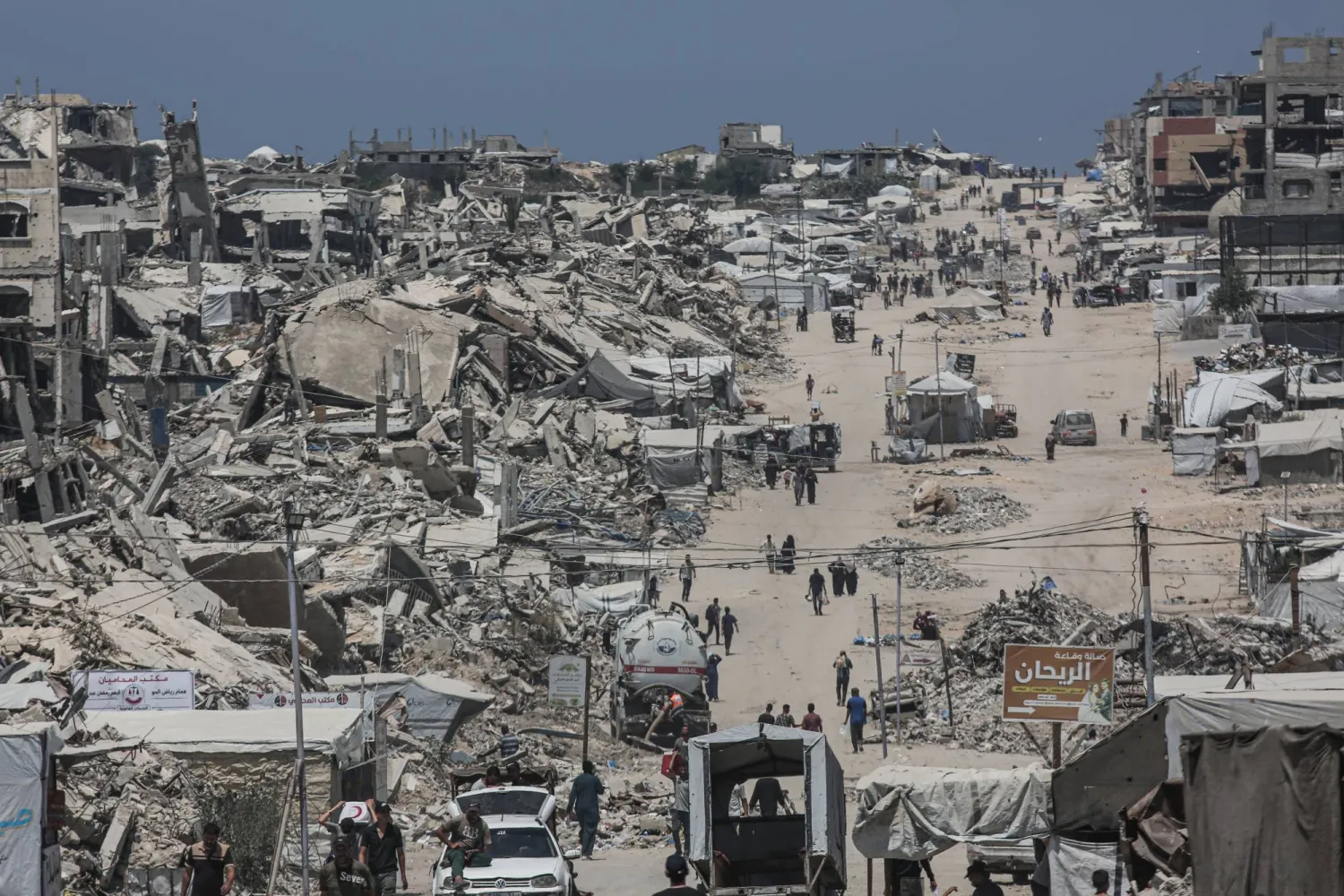
 11 August 2026, Palestinian Territories, Beit Lahia: Extensive destruction is seen in the northeastern area of Beit Lahia in the northern Gaza Strip, where homes and buildings have been reduced to rubble following months of war and military operations. (dpa)
11 August 2026, Palestinian Territories, Beit Lahia: Extensive destruction is seen in the northeastern area of Beit Lahia in the northern Gaza Strip, where homes and buildings have been reduced to rubble following months of war and military operations. (dpa)
TT

Israel Carries Out First Gaza Strike in More Than Week, One Killed

 11 August 2026, Palestinian Territories, Beit Lahia: Extensive destruction is seen in the northeastern area of Beit Lahia in the northern Gaza Strip, where homes and buildings have been reduced to rubble following months of war and military operations. (dpa)
11 August 2026, Palestinian Territories, Beit Lahia: Extensive destruction is seen in the northeastern area of Beit Lahia in the northern Gaza Strip, where homes and buildings have been reduced to rubble following months of war and military operations. (dpa)

Israel on Wednesday carried out its first air strike in more than a week in Gaza, both sides said, breaking a relative lull as the United States pressed a peace plan.

The Israeli military said it targeted a Hamas commander, charging that he had been planning attacks against Israeli forces operating in the war-battered territory.

"The terrorist was struck in an aerial strike in order to remove the threat to Israeli troops," a military statement said, adding that it tried to mitigate civilian harm.

Gaza's civil defense agency, a rescue service under Hamas, said the strike in Beit Lahia in the northern Gaza Strip targeted civilians riding in a tuk-tuk.

The strike killed Mohanad Saada, whose body was "torn to pieces", and wounded five other people, according to the civil defense agency and Al-Shifa Hospital.

A witness said Saada was among a group of workers who were repairing a wall damaged by Israeli shelling.

"It is true that Israeli airstrikes and assassinations had almost completely ceased for over a week, but today the occupation resumed its aerial bombardment," civil defense spokesman Mahmoud Bassal told AFP.

Israel had not carried out airstrikes in the Gaza Strip since August 3, following US President Donald Trump's announcement of a "major milestone" in his plan to end the war.

Hamas had announced that it would disarm by giving its weapons to a nascent Palestinian governing committee. Trump's Board of Peace, in charge of implementing the ceasefire deal, had initially announced that Israel in turn would start a phased withdrawal from much of the Gaza Strip.

But Prime Minister Benjamin Netanyahu on Sunday publicly rejected the deal and vowed no Israeli pullout, even after the Board of Peace reassured him that Israel would not have to withdraw until complete Hamas disarmament.

Despite the statements by Netanyahu, who faces pushback from his right-wing base on Gaza ahead of tight elections in October, Israel had been seen as largely complying with the Trump plan by avoiding major strikes.

The two sides agreed to a ceasefire pushed by Trump in October, after which Israel reduced but did not end military operations.

Israeli operations in Gaza have killed 1,259 Palestinians since the ceasefire, according to the territory's health ministry, which operates under Hamas authority and whose figures are considered reliable by the United Nations.

The Israeli army has reported five deaths in its ranks during the same period.


إدارة فلسطين... مسألة السُّلطة التي لم تُحسَم

إدارة فلسطين... مسألة السُّلطة التي لم تُحسَم
TT

إدارة فلسطين... مسألة السُّلطة التي لم تُحسَم

إدارة فلسطين... مسألة السُّلطة التي لم تُحسَم

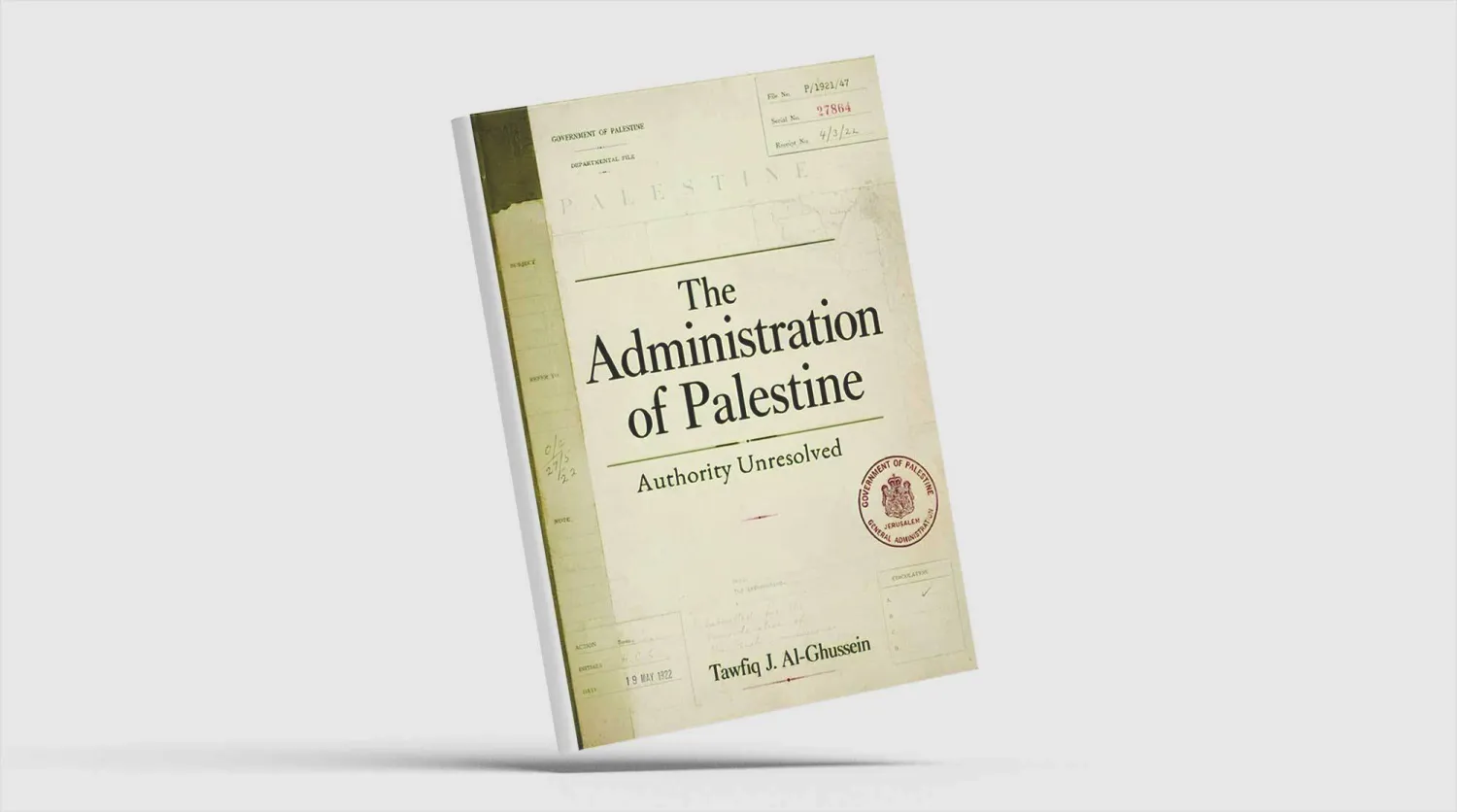
يُعدّ كتاب توفيق الغصين «إدارة فلسطين: مسألة السُّلطة التي لم تُحسَم»، الصادر عن «مشروع بريطانيا وفلسطين» (Britain Palestine Project)، مهماً في البحث التاريخي الرصين والتحليل السياسي. ويكمن إنجازه المحوري في استعادة سؤالٍ طالما أزاحته لغاتُ الدبلوماسية والأمن والتنمية والضرورة الإنسانية: مَن يمتلك السلطة الشرعية لتقرير مستقبل فلسطين السياسي؟

ينطلق الغصين من مفارقةٍ حاسمة: فلسطين لم تفتقر يوماً إلى الإدارة. فقد جرى إحصاء الفلسطينيين وتصنيفهم وتسجيلهم ومسحهم وتمثيلهم وتهجيرهم وإغاثتهم والتفاوض بشأنهم بكثافةٍ استثنائية. أمّا ما حُجِب عنهم فهو الاعتراف بهم مصدراً للسلطة التي تُمارَس على أرضهم وحياتهم. إنهم حاضرون في كل موضعٍ من السجلّ الإداري، لكنهم قلّما يظهرون بوصفهم الذات السياسية صاحبة الحق في القرار. لقد جُعِلوا مرئيين بوصفهم «سكّاناً»، وظلّوا في الوقت نفسه غيرَ مرئيين سياسياً بوصفهم شعباً صاحب سيادة.

هذا التمييز بين الإدارة والسلطة هو ما يمنح الكتاب تماسكه اللافت. ينتقل الغصين من مذكّرة هربرت صمويل عام 1915 ووعد بلفور، مروراً بانتداب عصبة الأمم، وتحطيم المؤسسات الفلسطينية التمثيلية، ونشوء «منظمة التحرير الفلسطينية»، ومسار أوسلو، وحوكمة المانحين، والإدارة الإنسانية، وصولاً إلى تدمير غزة في زمننا الراهن. ويكشف كيف أنّ أحداثاً يفصل بينها عادةً التسلسلُ الزمني والاختصاصُ المعرفي والمفردات إنما تنتمي إلى بنيةٍ واحدة متصلة: سلطةٌ تُمارَس على الفلسطينيين في حين يظلّ مصدرها خارجاً عنهم.

ويبلغ الكتاب ذروة أهميته حين يقرأ المؤلف الوثائق الرسمية على نحوٍ يناقض ادّعاءاتها الحياد. فالمذكّرات والتصريحات والإحصاءات وتقارير اللجان والقرارات القانونية والخرائط وبطاقات التموين وأنظمة التصاريح... لا يعاملها الغصين بوصفها سجلّاتٍ محايدة ساكنة، بل أدواتٍ يُنظَّم بها الواقع السياسي. يسأل: مَن يُسمَّى، ومَن يُعترَف به، ومَن يُمثَّل، ومَن يُختزَل إلى مجرّد فئة؟ وتأتي مناقشته للانتداب نافذةً حادّة؛ إذ تُشكَّل جماعةٌ واحدة بوصفها ذاتاً سياسية ذات مؤسسات معترَف بها وغايةٍ قومية، في حين تُصاغ الأغلبية العربية عبر التجريد، بوصفها «سكّاناً» أو «طوائف» أو «شرائح من السكّان». وليس هذا الإغفال عرضياً، بل هو ما يؤسّس التمييزَ الذي يقوم عليه النظام الأوسع.

وتكمن قوّة الحجّة في بيان كيف تصمد هذه البنية أمام كل تبدّلٍ في المفردات. فالمذكّرة تصبح إعلاناً، والإعلان يصبح انتداباً، والانتداب يصبح أمراً عسكرياً، والأمر العسكري يصبح تصريحَ مرور، ثم يفسح تصريحُ المرور المجال، لاحقاً، لمعايير المانحين، وأُطر إعادة الإعمار، وعتبات المجاعة، وقواعد البيانات، وسياسات ضبط المحتوى. تغدو المصطلحات أكثر تقنيةً وأكثر إنسانيةً في الظاهر، في حين تبقى العلاقة الكامنة على حالها دون تغيير.

وتُعدّ معالجة الغصين للعمل الإنساني من أهمّ إسهامات الكتاب. فهو لا يشكّك في ضرورة الإغاثة، وإنما يبيّن كيف تُترجَم الحقوق إلى احتياجات. فشعبٌ يطالب بالحرية السياسية يصير «سكّاناً» بحاجة إلى المساعدة، ويصير سلبُ الأرض والملكية «حالة طوارئ» تُدار. وتبرز غزة بوصفها فضاءً مُداراً يُحسَب فيه البقاءُ على قيد الحياة ذاته بالسعرات الحرارية وحمولات الشاحنات والسجلّات والعتبات المؤسسية. وتزداد الآلةُ دقّةً كلما تراجع الاعتراف السياسي.

وتمتدّ الحجّة بالقوّة ذاتها إلى المجال الرقمي. فالشهادة الفلسطينية تحكمها منصّاتٌ تقرّر ما يجوز أن يُرى أو يُتداوَل أو يُبحَث عنه أو يُحذَف. وتغدو الرؤية ذاتها مسألةً إدارية. فأنظمةٌ خاصة بالترتيب الخوارزمي وضبط المحتوى والتصنيف، تكتسب القدرةَ على تحديد ما إذا كانت التجربة الفلسطينية ستظلّ متاحةً للذاكرة العامة.

وتتّسم لغة الكتاب بالوضوح والانضباط والدقّة الأخلاقية. يكتب الغصين بتحفّظٍ متعمَّد، تاركاً للسجلّ الوثائقي أن يفضح العنف المتواري خلف مصطلحاتٍ مثل «التنسيق» و«الحوكمة» و«إعادة الإعمار» و«الأمن» و«الوصول الإنساني». والحصيلة ليست مجرّد تاريخٍ لفلسطين، بل تشريحٌ للمؤسسات واللغات التي تُظهر القوّةُ الخارجيةُ من خلالها نفسَها بوصفها ضروريةً ومحايدة.

يقدم كتاب توفيق جويد الغصين «إدارة فلسطين: مسألة السُّلطة التي لم تُحسَم» مساهمة مهمة في حقل الدراسات الفلسطينية والقانون الدولي ودراسة الإمبراطورية. فهو يبرهن أنّ المشكلة الجوهرية ليست مجرّد الاحتلال، أو سلب الأرض، أو انعدام الدولة، وإن كانت تشمل هذه الثلاثة جميعاً، بل هي السؤال غير المحسوم: مَن يملك الحقّ المعترَف به في اتخاذ القرار؟

* أكاديمية فلسطينية


Lebanon Condemns ‘Systematic’ Israeli Destruction in South

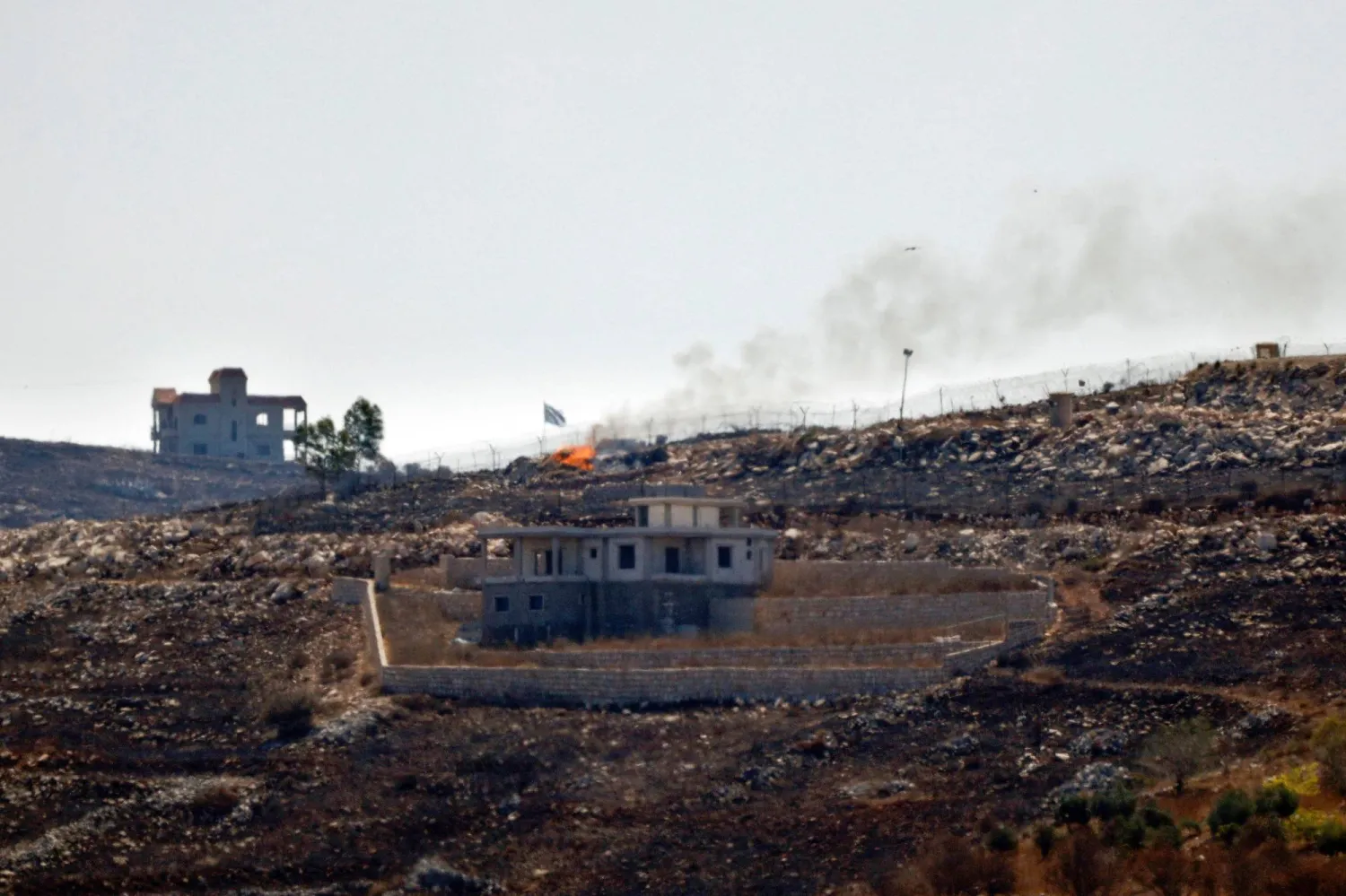
A photograph taken from the southern Lebanese village of Chaqra shows an Israeli flag fluttering over the burnt fields of the border village of Mais al-Jabal, burnt during Israeli military operations on August 11, 2026. (AFP)
TT

Lebanon Condemns ‘Systematic’ Israeli Destruction in South

A photograph taken from the southern Lebanese village of Chaqra shows an Israeli flag fluttering over the burnt fields of the border village of Mais al-Jabal, burnt during Israeli military operations on August 11, 2026. (AFP)

Lebanese Prime Minister Nawaf Salam on Wednesday condemned Israel's "systematic destruction" in the country's south as a violation of international law, as Israel's defense minister said its military was "destroying all the houses" there.

Salam said Israeli "attacks, incursions, demolitions and the systematic destruction of homes", infrastructure, government buildings and places of worship "represent a serious violation of the principles and rules of international law and international humanitarian law".

Claiming that villages and towns "are entirely 'military facilities' does not stand up to any logic and cannot be used as an excuse for destroying them, displacing their inhabitants and preventing them from returning," he said in a statement.

Israel's Defense Minister Israel Katz visited southern Lebanon on Wednesday, vowing to keep troops in a so-called "security zone" there and saying the Israeli military was "destroying the underground infrastructure" in the area and "destroying all the houses".

Hezbollah drew Lebanon into the Middle East war in March by attacking Israel, which responded with heavy airstrikes and a ground invasion that Lebanese authorities say have killed more than 4,300 people.

A framework deal reached in late June between Lebanon and Israel involves the disarmament of the Iran-backed group, a gradual withdrawal of Israeli forces from south Lebanon and the deployment of the Lebanese army to the region, starting in "pilot zones".

While violence has significantly decreased since the signing of a US-Iran memorandum of understanding in June and the Lebanon-Israel deal, Lebanon still reports intermittent Israeli strikes and ongoing demolitions.

Lebanon's state-run National News Agency (NNA) on Wednesday said Israeli troops carried out detonations in southern villages including in Zawtar al-Shariqyeh, which abuts one of the "pilot zones".

Lebanon's army said Israel had blown up "the municipal building in Zawtar al-Shariqyeh" as well as "a public school, a health clinic, a children's nursery and a number of homes".

Also on Wednesday, Lebanon's army chief Rodolphe Haykal met visiting US General Joseph Clearfield, who heads a coordination group involved with the June agreement.

The pair discussed "developments in the south and security arrangements" relating to the deal, the Lebanese military said, as well as "the difficulties the army faces in carrying out its missions, primarily due to the continuing attacks, bulldozing and destruction by the Israeli occupation".

President Joseph Aoun also met Clearfield, his office said, and discussed the implementation of the framework deal.

Israel and Lebanon are to hold an eighth round of US-sponsored negotiations next month, in Rome.