نخست وزیر مراکش: ۲۰۱۹ سال اصلاحات بزرگ خواهد بود

نخست وزیر مراکش: ۲۰۱۹ سال اصلاحات بزرگ خواهد بود
TT

نخست وزیر مراکش: ۲۰۱۹ سال اصلاحات بزرگ خواهد بود

نخست وزیر مراکش: ۲۰۱۹ سال اصلاحات بزرگ خواهد بود

سعد الدین العثمانی نخست وزیر مراکش گفت «اصلاحات بزرگ مراکش در سال ۲۰۱۹ میلادی کلید می خورد. هدف این اقدامات رسیدن به سطح کشورهای پیشرفته است.»
العثمانی در نشست هفتگی کابینه اعضای هیات دولت را به «افزایش تلاش برای اصلاحات فراگیر» فراخواند. او افزود «همزمان با آغاز سال نو ما هم کوشش هایمان را دو چندان می کنیم و سطح عملکردمان را ارتقا می دهیم و در مسیر اجرای اهداف برنامه ها و اقدامات دولت حرکت می کنیم.»
العثمانی افزود «ما همه در پی رسیدن به این هدف هستیم و اینکه به انتظارات پادشاه محمد ششم از دولت جامه عمل پوشانده تا در زمره کشورهای پیشرفته قرار بگیریم. این هدف شدنی است اما به تلاش و کار فراوان و پیگیر نیازمند است.»
العثمانی خاطر نشان کرد «کامیابی هر وزارتخانه به معنای پیروزی همه کابینه است. همه اعضای کابینه باید بدانند که پیروزی و موفقیت تک تک آنها به مثابه کامیابی کل کابینه است. دستاوردهای سال گذشته ادامه خواهد داشت. سال گذشته هم سال اصلاحات چشمگیری بود که با حمایت پادشاه اجرایی شدند.»
او یادآور شد «برخی پروژه ها در سال گذشته اجرا شدند و برخی هم هنوز در انتظار تصویب مجلس هستند. اخبار تعدادی از این طرح ها در روزنامه های رسمی منتشر شدند؛ از قبیل« منشور سیستم عدم تمرکز اداری که در هفته آخر دسامبر (آذر) تصویب شد و کمیته فرماندهی مسئولیت برنامه ریزی برای اجرای آن را به عهده گرفته است.»
عثمانی به برخی از طرح ها و اصلاحات عمده در سال ۲۰۱۹ میلادی (۱۳۹۸) اشاره کرد که از این قرارند «طرح قانون چارچوب ساختار آموزش و پرورش و پژوهش علمی و برنامه ملی در عرصه دموکراسی و حقوق بشر که به تصویب مجلس رسیده و وزیر مشاور در امور حقوق بشر در حال بررسی نهایی این قانون در راستای اجرای آن است و نیز طرح توسعه ساختار حمایت اجتماعی که در کابینه در دست بررسی است.»


‘Between the Lines’: Lebanon’s Constitution Under the Microscope at 100

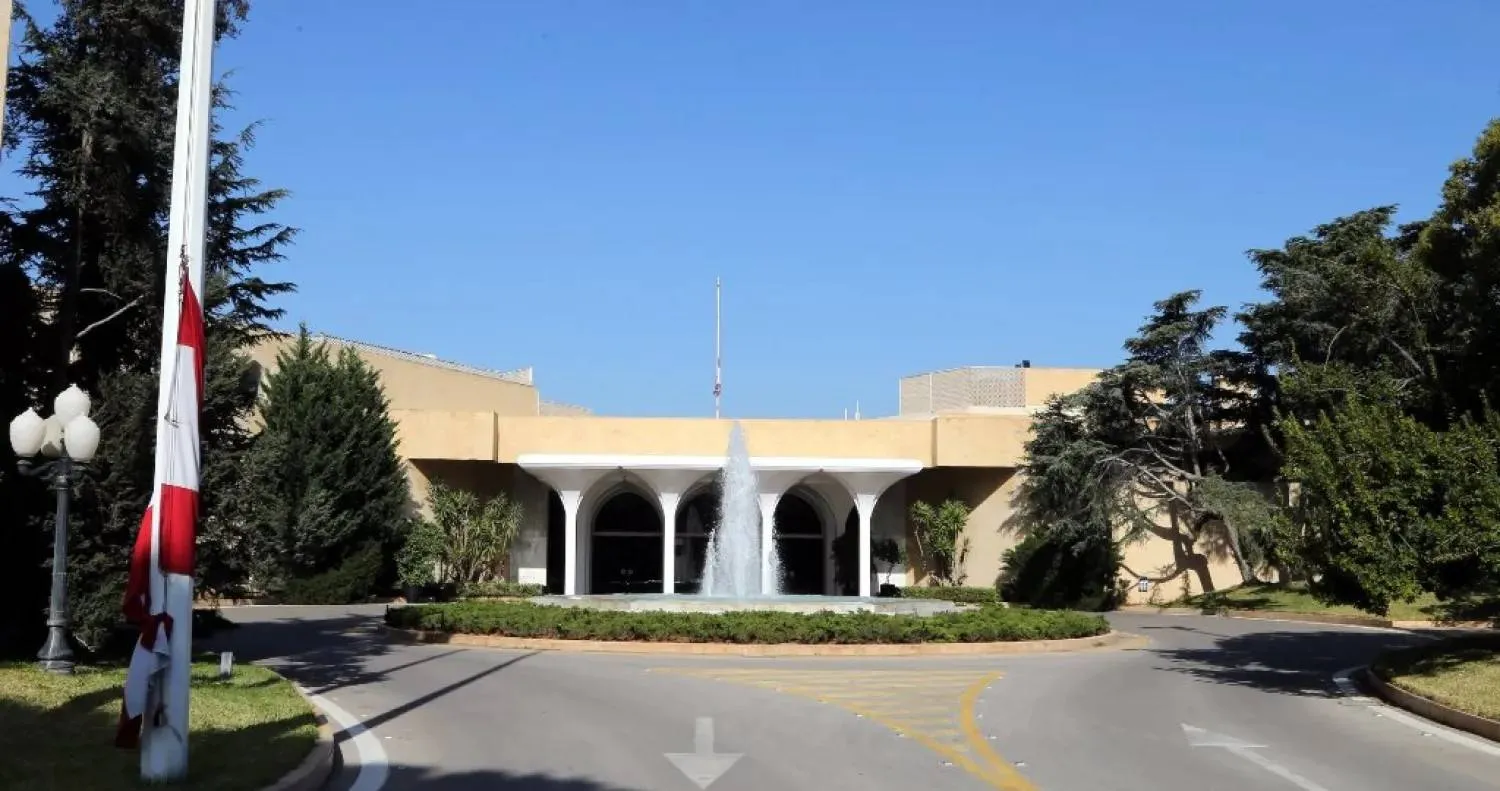
The presidential palace in Lebanon (National News Agency)
TT

‘Between the Lines’: Lebanon’s Constitution Under the Microscope at 100

The presidential palace in Lebanon (National News Agency)

Lebanon’s Culture Ministry is putting the constitution under the microscope on its centenary, urging citizens, especially young people, to examine their rights and the gap between the text and a century of political practice.

The aim is to help Lebanese people read between the lines to understand “their constitutional rights and the political system it established,” Culture Minister Ghassan Salame told Asharq Al-Awsat.

It also seeks to “open a debate about the gap between what the constitution stipulates and what has been implemented over a hundred years, exploring the relationship between the constitutional text and political practice in the country,” he said.

The centenary events begin with an exhibition titled “Between the Lines of the Constitution,” as Lebanon debates its political system and how its institutions function.

Drafting of the 1926 constitution began under the French mandate. Its draft then underwent extensive debate and consultation involving Lebanese figures.

Contrary to an easy assumption, it did not copy the French constitution. France had a parliamentary system; Lebanon’s was parliamentary in name, presidential in practice.

From the 1926 constitution to the Taif Agreement

The exhibition opens on Oct. 8 and runs through the end of the year. Tracing the constitution’s history, Salame stressed that its origins under the French mandate did not make it a replica of France’s constitution.

“After independence, the constitution underwent various amendments, some aimed at removing the vestiges of the mandate. The most significant came in 1990, following the adoption of the Document of National Accord, the Taif Agreement,” he said.

The Taif Agreement’s importance, Salame said, lies in having “incorporated its proposed amendments into the constitution itself.”

“If someone wants to take a major step that would contravene the constitution, that requires a special vote,” he said. “This respects the constitution. Implicitly, the political authorities acknowledge that there is a book they must respect, rather than doing whatever they please.”

Constitutional breaches and political exceptions

Salame also pointed to cases he considers constitutional breaches, urging Lebanese people to learn about them and debate them as part of their understanding of the constitution.

He cited exceptional amendments that allowed a president to be elected outside the timeframe or conditions set by the constitutional text.

He warned against treating breaches lightly or turning exceptions into routine political practice. Departures from the text should not become the rule through repetition or appeals to political necessity, he said.

Salame also cited political understandings reached outside the constitutional text. Among them was the “troika,” an arrangement among the president, parliament speaker and prime minister in the 1990s that concentrated key decisions in their hands.

Another was the 2008 Doha Agreement, which left no constitutional imprint comparable to that of the Taif Agreement.

“A political understanding does not, in itself, acquire constitutional status unless it is translated into a constitutional text,” he said.

Reading the constitution closely

The exhibition began with a basic question, Salame said: How well do Lebanese people know their constitution?

“That is why, for the first time, we have brought original documents held in France, including the document signed by the French high commissioner, and other documents that Lebanese people will be able to see for the first time,” he said.

The exhibition will go beyond historical documents. It will offer a detailed reading of the constitution in accessible language — an approach reflected in its title, “Between the Lines of the Constitution.”

“We want to make the constitution part of Lebanese citizens’ political culture,” Salame said.

Constitutional conventions and interpreting the text

“No country relies solely on the text. There are constitutional conventions,” Salame said.

But he stressed the distinction between constitutional conventions and political practice.

Repeating a practice does not automatically make it a constitutional rule.

“I want Lebanese people to think: Was this justified? Was it legitimate? These questions must be asked,” he said.

Constitutional rights and freedoms

“The constitution not only organizes the political system. It also sets out fundamental rights,” Salame said.

He highlighted freedom of belief and expression, saying their survival through Lebanon’s crises and wars is a central part of its constitutional experience.

“It is no small matter that, after 50 years of all the calamities that have struck Lebanon, everyone can still speak freely, and freedom of opinion and belief remains a constitutionally acquired right that we refuse to relinquish. That is something great,” he said.

Documents from the republic’s founding

Some original documents were borrowed from France and elsewhere, Salame said. They will be returned to their owners or the institutions that hold them after the exhibition closes. The National Library will retain facsimile copies.

The Culture Ministry is targeting young people, particularly school students, seeking to turn the centenary from a historical commemoration into an opportunity to understand Lebanon’s constitutional system.

Salame said the exhibition would remain open through the end of the year, with efforts underway to add afternoon hours for school and student visits.



المبطي لـ«الشرق الأوسط»: الحاجز الأخير حرمني ذهب ناغويا... وأطمح لميدالية أولمبية

خالد المبطي خلال منافسات قفز الحواجز (فريق السعودية)
TT

المبطي لـ«الشرق الأوسط»: الحاجز الأخير حرمني ذهب ناغويا... وأطمح لميدالية أولمبية

خالد المبطي خلال منافسات قفز الحواجز (فريق السعودية)

أكد الفارس السعودي خالد المبطي، الحائز الميدالية البرونزية في منافسات قفز الحواجز ضمن دورة الألعاب الآسيوية العشرين (ناغويا 2026)، أن المنافسة شهدت تطوراً كبيراً في مستويات الفرسان الآسيويين والعرب، مشيراً إلى أن طموحه يتجاوز المنافسات القارية نحو تحقيق ميدالية أولمبية.

وقال المبطي، في حديث خاص لـ«الشرق الأوسط»: «رياضة قفز الحواجز تشهد تطوراً ملحوظاً وكبيراً جداً في مختلف الدول الآسيوية والعربية، وكانت المنافسة صعبة للغاية. الحمد لله حققت الميدالية البرونزية، ونتطلع إلى تحقيق نتائج أفضل في دورة الألعاب الآسيوية المقبلة».

وكشف الفارس السعودي عن تفاصيل جولة التمايز التي كان قريباً خلالها من انتزاع الميدالية الذهبية، قائلاً: «أنهيت 3 جولات دون أخطاء، ووصلت إلى جولة التمايز برفقة الفارسين اللذين حققا الذهب والفضة. كنت أدخل بعدهما في الترتيب، وكان يفترض أن يخدمني ذلك بصورة أكبر».

وأضاف: «ارتكب الفارسان خطأ بإسقاط حاجز لكل منهما، ولذلك كنت بحاجة إلى إنهاء الجولة دون أخطاء، ولم أكن مطالباً بسرعة كبيرة. حاولت تقديم جولة نظيفة، ووصلت إلى الحاجز الأخير، لكنه سقط وحرمنا من الميدالية الذهبية».

وتابع المبطي: «هذه هي رياضة قفز الحواجز، وبإذن الله سيكون المقبل أفضل».

وعن طموحاته المستقبلية، شدَّد المبطي على أن أهدافه لا تتوقف عند المنافسات الآسيوية، وقال: «طموحنا لا يقتصر على آسيا، بل نتطلع إلى ما هو أكبر، وهو الألعاب الأولمبية. لدينا برنامج للتأهل إلى أولمبياد لوس أنجليس، وسيبدأ مشوار التأهل مطلع عام 2027، وبإذن الله نطمح إلى تحقيق ميدالية أولمبية».


مبيعات «المراعي» تقفز إلى 1.65 مليار دولار في الربع الثالث

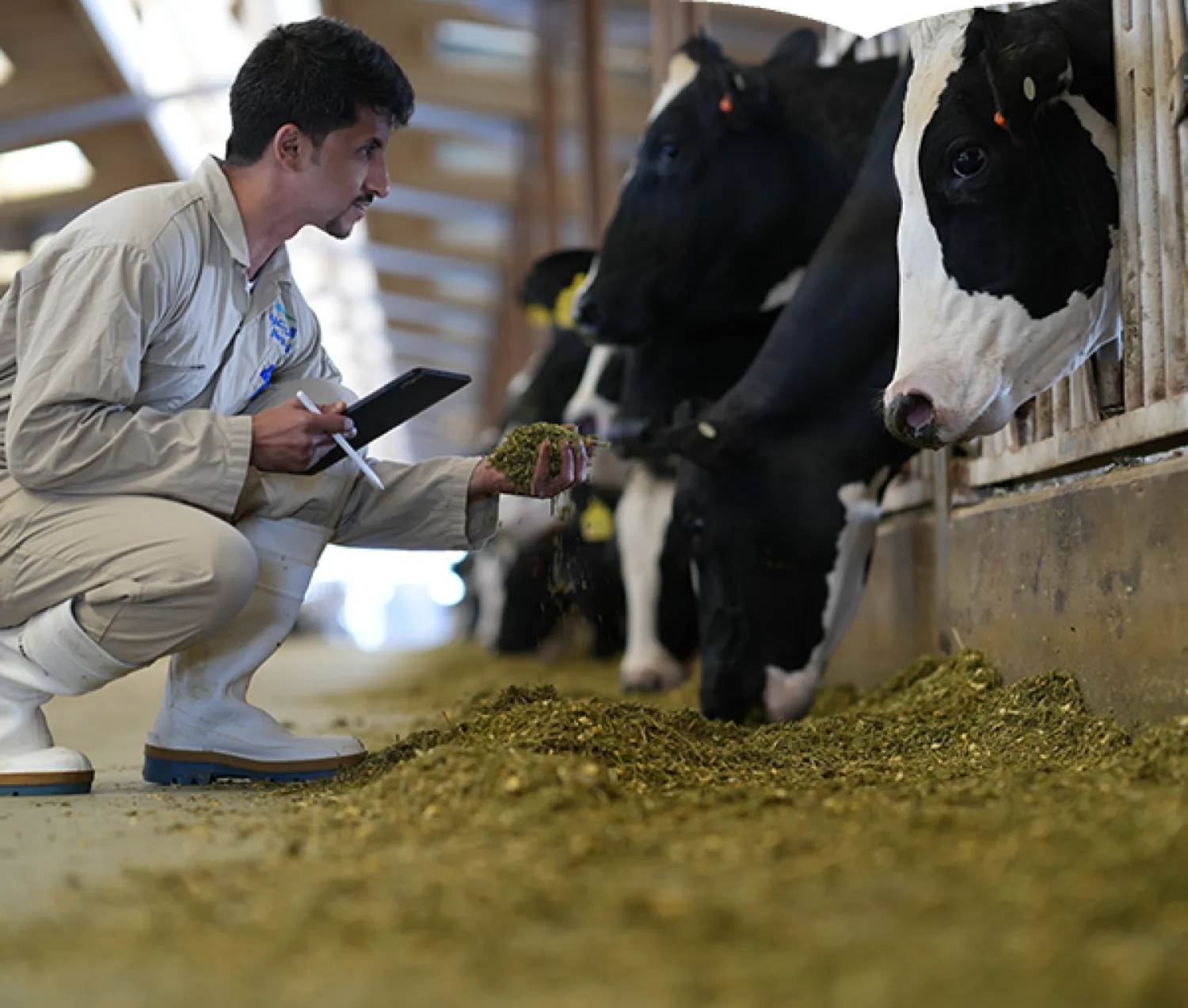
موظف يطعم الأبقار في إحدى مزارع «المراعي» السعودية (الشركة)
TT

مبيعات «المراعي» تقفز إلى 1.65 مليار دولار في الربع الثالث

موظف يطعم الأبقار في إحدى مزارع «المراعي» السعودية (الشركة)

أظهرت النتائج المالية الأولية لشركة «المراعي» تحقيق نمو قوي في إيرادات الرُّبع الثالث من عام 2026 بنسبة 11.43 في المائة على أساس سنوي، لتصل إلى 6.19 مليار ريال (1.65 مليار دولار)، في حين شهد صافي الأرباح تراجعاً طفيفاً خلال فترة الـ9 أشهر الأولى من العام الحالي بنسبة 0.28 في المائة تحت ضغط ارتفاع تكاليف الشحن والطاقة.

وسجَّل صافي الربح العائد لمساهمي الشركة خلال الرُّبع الثالث من العام الحالي نمواً طفيفاً بلغت نسبته 0.74 في المائة على أساس سنوي ليبلغ 617.79 مليون ريال (164.74 مليون دولار) مقارنة بـ613.24 مليون ريال (163.53 مليون دولار) للرُّبع المماثل من العام السابق، في حين تراجع صافي الربح بنسبة 2.81 في المائة مقارنة بالرُّبع الثاني من العام نفسه.

وعلى صعيد فترة الـ9 أشهر الأولى من عام 2026، تراجع صافي الربح تراجعاً طفيفاً بنسبة 0.28 في المائة ليصل إلى 1.99 مليار ريال (529.51 مليون دولار) مقارنة بـ1.991 مليار ريال (531.01 مليون دولار) بالفترة المماثلة من العام الماضي. وبلغت ربحية السهم 2.01 ريال (0.54 دولار).

عوامل الأداء... وتحديات التكلفة

وأوضحت الشركة، في إفصاحها إلى السوق المالية السعودية، أن النمو الملحوظ في إيرادات الرُّبع الثالث جاء نتيجة زيادة حجم المبيعات عبر جميع الفئات والأسواق، مدعوماً بتوسعات قطاع الدواجن، ونمو مبيعات الألبان في مصر، والاستحواذات بقطاع المياه. إلا أن هذا النمو في المبيعات قوبل بتضخم في التكاليف التشغيلية، وفي مقدمتها ارتفاع تكاليف شحن الأعلاف الموجهة لقطاع الألبان، وزيادة مصاريف النقل الناتجة عن ارتفاع أسعار الطاقة.

أداء القطاعات التشغيلية

وتفاوتت أرباح القطاعات التشغيلية الرئيسية للشركة على النحو التالي:

  • قطاع الألبان والعصائر: سجَّل نمواً في صافي أرباحه بدعم تحسن مزيج الإيرادات، على الرغم من ضغوط تكاليف شحن الأعلاف.
  • قطاع المخبوزات: واصل تحقيق نتائج إيجابية وارتفاع في صافي الأرباح بفضل تحسن مزيج المبيعات.
  • قطاع البروتين (الدواجن): انخفض صافي أرباحه نتيجة ظروف العرض في السوق، وارتفاع تكاليف النقل بضغط الطاقة، ومصاريف زيادة الطاقة التشغيلية.

التدفقات النقدية وسلاسل الإمداد

وبلغ إجمالي الإيرادات للتسعة أشهر الأولى 18.22 مليار ريال (4.86 مليار دولار) بنمو 9.68 في المائة. وعلى صعيد الحركة النقدية، بلغت التدفقات النقدية التشغيلية نحو 3.48 مليار ريال (928.41 مليون دولار)، بينما بلغت التدفقات الاستثمارية 3.18 مليار ريال (847.30 مليون دولار).

وأكدت «المراعي» التزامها إدارة مخاطر سلاسل الإمداد بفاعلية لضمان الموثوقية وتوفير المنتجات للمستهلكين، مشيرة إلى مواصلة مراقبة التطورات الإقليمية والاستفادة من المخزون الاستراتيجي للحدِّ من تقلبات الأسواق عند الحاجة.