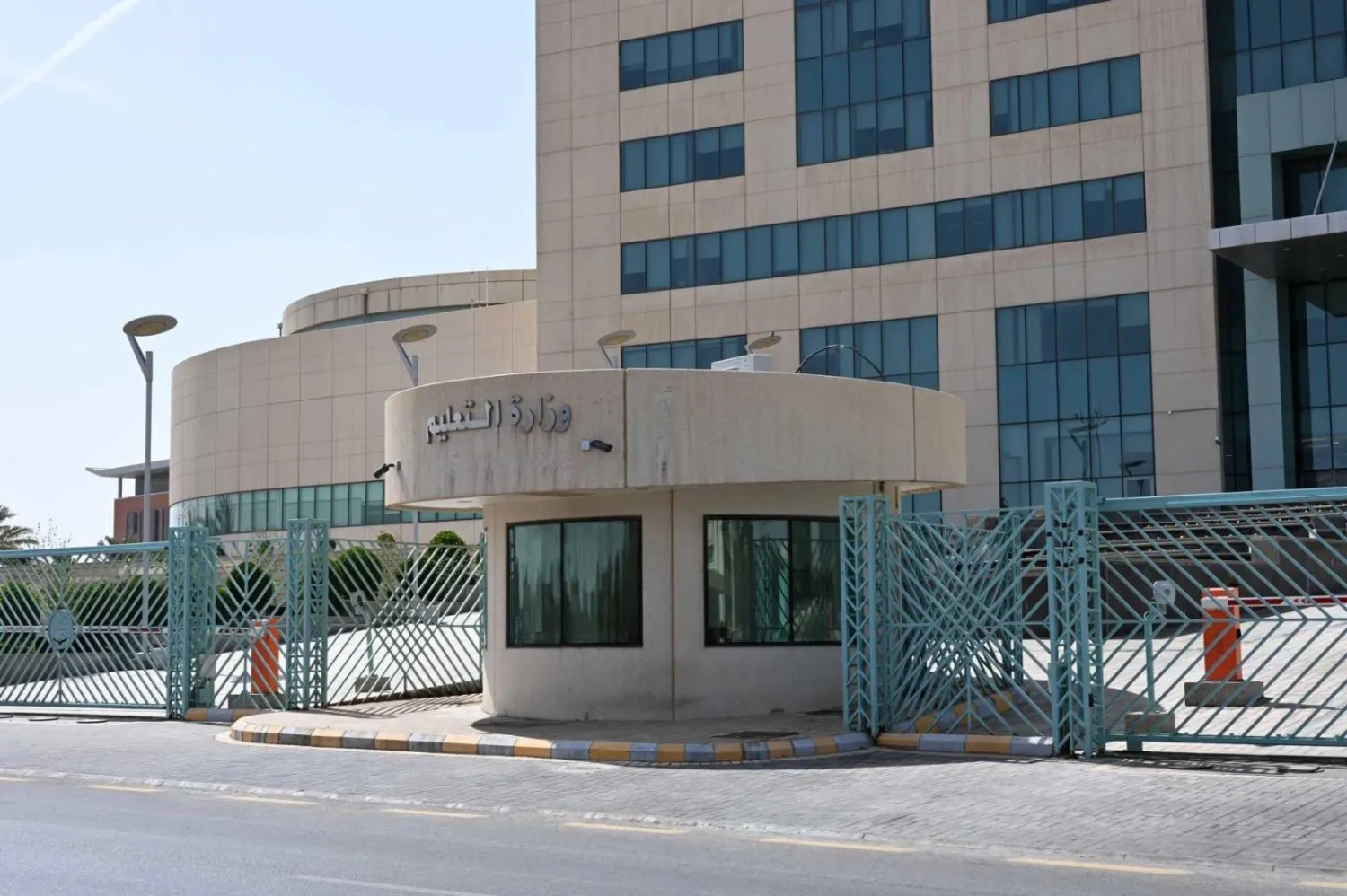
Saudi Arabia is moving to reshape the public education market by creating greater scope for participation by the private and non-profit sectors under a new system that establishes a clearer regulatory framework for sector governance and service delivery. The move is expected to expand investment opportunities and improve the efficiency of the education system.
The system comes as Saudi Arabia’s education sector gradually expands its investor and listed-company base, alongside growing interest in commercial opportunities in education, training and support services, in line with the objectives of Vision 2030.
A royal decree approving the General Education System was issued last month. The system aims to strengthen the governance framework for public education, provide the necessary enablers to achieve its objectives, improve the quality of the educational environment and its outcomes, and regulate the role of the private and non-profit sectors in line with the goals of Vision 2030.
The system defines the roles of the Ministry of Education, the General Education Affairs Council and relevant entities, supporting the alignment of education policies, plans and programmes, improving decision-making efficiency, and enabling the ministry to develop regulatory, monitoring and supervisory tools for the public education sector.
It also seeks to support investment in education by regulating the participation of the private and non-profit sectors in providing educational services and enhancing the attractiveness of investment and partnerships under clear rules. The aim is to improve service quality, expand educational options and support the sustainable development of public and private educational institutions.
Experts say the significance of the system extends beyond increasing investment volumes, arguing that it could change the nature of the market itself by clarifying regulatory roles, expanding public-private partnership models and strengthening governance. These factors could help reduce risks for both domestic and foreign investors.
In this context, Dr Abdullah Al-Salloum, professor of finance and investment at Imam Muhammad ibn Saud Islamic University, said Saudi Arabia’s public budgets have traditionally placed education among the government’s largest expenditure items. He noted that around 200 billion riyals ($53.3 billion) was allocated to education in the latest budget, representing roughly 18 percent of total government spending.
He added that education spending is estimated at between 5 and 7 percent of gross domestic product, a level that puts Saudi Arabia above the global average for education spending and among the highest in the G20.
Foreign Investment Expands
On investment, Al-Salloum said foreign direct investment stocks in the education sector reached 3.43 billion riyals ($914.7 million) at the end of 2024, more than 13 times their level a decade earlier.
He said the figure remains limited compared with some other economic sectors, but the compound annual growth rate of foreign direct investment, according to the data he cited, was close to 130 percent. This reflects a significant increase in the sector’s attractiveness to foreign investors over the past decade.
From this perspective, Al-Salloum expects the new system to help strengthen this trend by expanding investment options and providing a clearer and more flexible regulatory framework for private-sector and foreign-investor participation.
He noted that the scale of the impact will remain dependent on the effectiveness of implementing regulations and the extent to which investors respond to the opportunities.
8 Listed Companies
Al-Salloum also pointed to the recent listing of education companies on the Saudi market, saying the trend has become increasingly notable. He said the Saudi stock market currently has eight listed companies operating in education and training.
According to Al-Salloum, these companies generated revenues of about 3.4 billion riyals ($906.7 million) in 2025, representing annual growth of around 12 percent.
He said the figures show that the sector is not only one of the largest in terms of government spending, but also has a gradually expanding investment and commercial base. This could support continued growth in the coming years as the new regulatory framework is completed.
Sharing Roles and Improving Market Efficiency
Al-Salloum does not expect the system’s impact to be limited to increasing investment volumes. Rather, he sees its more important effect as changing the nature of the market. Clear regulations, expanded public-private partnership models and stronger governance could all contribute to reducing investment risks.
He stressed that reducing investment risk is “the most important factor for both domestic and foreign investors when deciding to enter any market.”
The system also affirms the protection of human rights in education and the rights of students and teachers, while providing a safe and stimulating educational environment to support the quality of the education process and improve the experience of male and female students. It also reinforces the role of families in supporting students’ educational journeys.
It supports the quality of care and education in early childhood, reflecting the importance of the early years in developing children’s personalities and skills. It also contributes to providing educational and support services better suited to the needs of students with disabilities within educational institutions, while supporting the care and development of gifted students.
During the next phase, the Ministry of Education, in coordination with relevant entities, will complete the implementing and regulatory provisions to ensure that the system is applied through a clear methodology and supports the objectives of developing public education and improving its outcomes.
The General Education System includes a number of provisions governing education stages, the General Education Affairs Council, educational institutions, education pathways, e-learning, continuing education, the educational environment, and the rights of students and teachers.