پیشتازی دیجیتالی سعودی و رشد ۹ پله‌ای در شاخص دولت الکترونیک

پیشتازی دیجیتالی سعودی و رشد ۹ پله‌ای در شاخص دولت الکترونیک
TT

پیشتازی دیجیتالی سعودی و رشد ۹ پله‌ای در شاخص دولت الکترونیک

پیشتازی دیجیتالی سعودی و رشد ۹ پله‌ای در شاخص دولت الکترونیک

در آخرین رتبه‌بندی کشورها از نظر شاخص‌های EGDI سازمان ملل که بیانگر وضعیت پیاده‌سازی دولت الکترونیک در جهان به‌شمار می‌رود، سعودی با رشد ۹ پله‌ای، جایگاه برتر خود را در میان ۱۳۹ کشور جهان تثبیت کرد.
این موفقیت در پی حمایت‌های بی‌دریغ رهبری این کشور از بخش ارتباطات و تکنولوژی داده‌ها حاصل می‌شود.
 کما اینکه سعودی رشد ۴۰ پله‌ای در «زیرساخت‌های دیجتالی» داشته و به رتبهٔ ۲۷ جهان و رتبهٔ هشتم کشورهای عضو گروه بیست دست یافته‌است.
 در زمینهٔ «سرمایه‌های انسانی» سعودی شاهد رشد ۵ پله‌ای بوده و به رتبهٔ ۳۵ جهانی و رتبهٔ دهم کشورهای عضو گروه دست یافته، و شهر ریاض رتبهٔ دهم جهان در زمیتهٔ شاخص‌های فرعی و ۳۱ جهان در زمینهٔ رقابت میان شهرها را کسب کرده‌است.
در همین ارتباط، عبدالله السواحه وزیر ارتباطات و تکنولوژی داده‌های سعودی گفت: این موفقیت نتیجهٔ برنامهٔ تحول ملی است و نشان می‌دهد سعودی تا چه‌اندازه موفق بوده و حال خود را به آینده گره بزند، همچنین تلاش‌های نهادهای مختلف دولتی طبق چشم‌انداز ۲۰۳۰ کشور نقش مهمی در کسب این رتبه‌ها داشته‌است.


Iraq Suspects Drone Attack Destroyed Tank Ammunition Stockpile Amid ‘Silent Battle’ With Militias

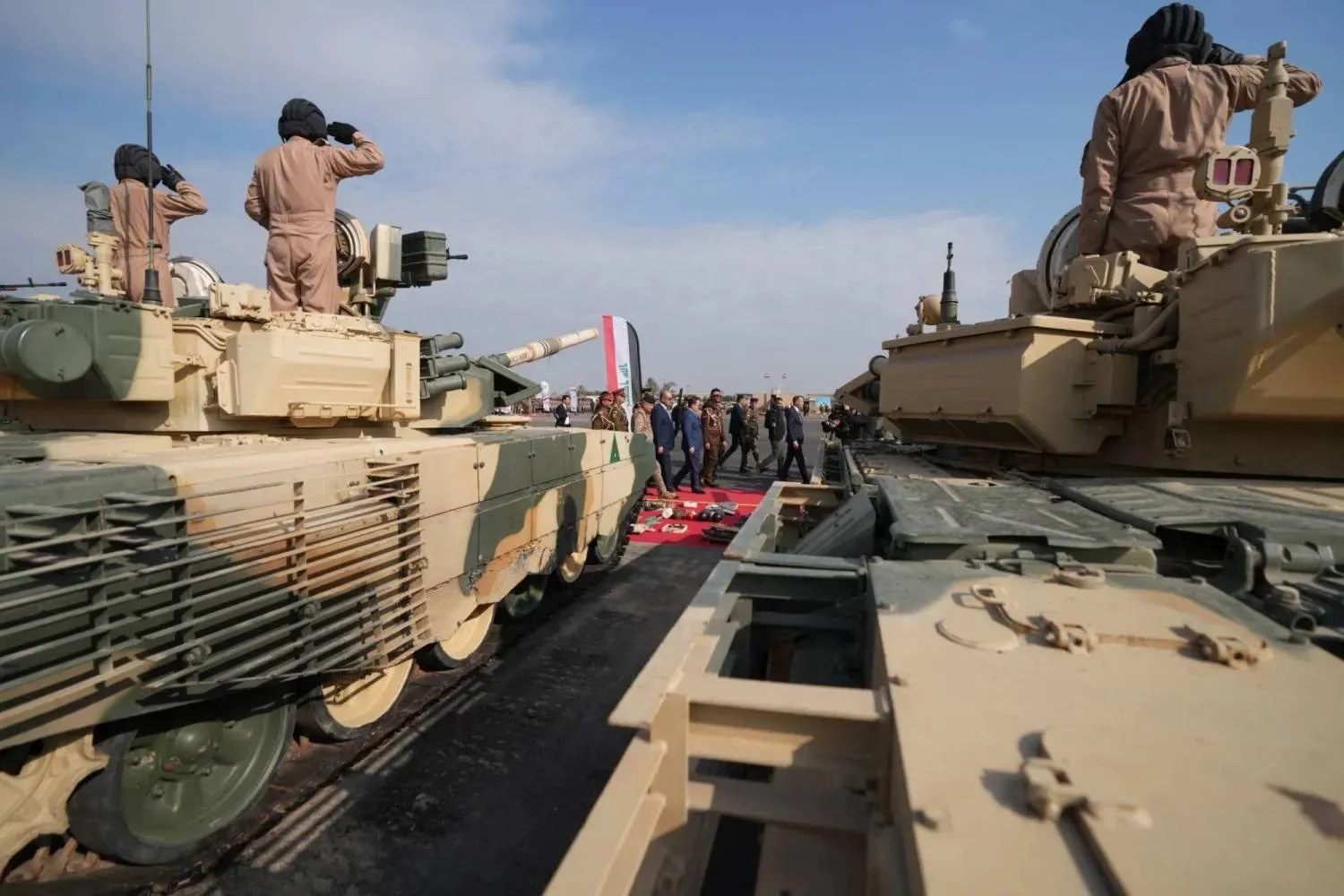
The Iraqi army takes part in a previous parade featuring US-made Abrams tanks (Iraqi Prime Minister’s Office) 
TT

Iraq Suspects Drone Attack Destroyed Tank Ammunition Stockpile Amid ‘Silent Battle’ With Militias

The Iraqi army takes part in a previous parade featuring US-made Abrams tanks (Iraqi Prime Minister’s Office) 

Iraqi authorities suspect a drone attack caused an explosion at a strategic ammunition depot at Camp Taji military base north of Baghdad in early August, security and intelligence sources said, inflicting extensive damage on stocks of ammunition for Iraqi army tanks and armored vehicles. Authorities had initially attributed the blaze to high temperatures.

Investigators now believe an unidentified drone was flying over the base shortly before an ammunition depot belonging to the 9th Armored Division exploded, destroying large quantities of ammunition for armored vehicles and US-made Abrams tanks, the sources said.

Two officers told Asharq Al-Awsat that investigators reviewed thermal-camera footage from the base showing a flying object approaching from the south shortly before the depot exploded.

“We lost most of our tank ammunition,” one officer said. “The 9th Armored Division now has no stockpile of shells — not even a single round — apart from the ammunition currently inside the tanks.”

Another intelligence officer said the depot was “most likely targeted by a drone.”

Iraq’s official news agency had quoted Defense and Interior Ministry officials on Aug. 2 as saying that high temperatures had caused a fire at an ammunition depot inside Camp Taji.

Although the initial account ruled out an attack, a senior military official told Asharq Al-Awsat that intelligence agencies were conducting a technical investigation to establish the circumstances.

Officials now view the incident as one of several signs that armed factions are attempting to “strip official security institutions of their weapons advantage.”

The targeted depot contained about 50,000 rounds, according to the sources, forming the main ammunition stockpile for one of the Iraqi army’s most important combat divisions. The full extent of the losses remains unclear.

The 9th Armored Division, based in Taji, is one of the army’s principal intervention units. A significant part of its arsenal is US-made, notably Abrams tanks and M113 armored personnel carriers.

Asharq Al-Awsat learned that Iraq recently sought urgent procurement contracts to replenish ammunition shortages, including rounds for US-made tanks and armored vehicles. The request is believed to be linked to losses from the Taji incident.

Neither the Defense Ministry spokesman nor the head of Iraq’s Security Media Cell responded to requests for comment.

Interior Ministry spokesman Maj. Gen. Miqdad Miri, however, told a news conference Monday that “any drone launched without authorization will be treated as terrorism,” stressing that “all weapons must be under state control.”

‘Silent Battle’

An intelligence official told Asharq Al-Awsat that preliminary investigations found that an armed group had used a location south of Baghdad to launch the drone toward Taji.

Security and political officials said the attack pointed to efforts by factions resisting disarmament to deprive regular forces of military assets that give them an advantage over irregular groups.

The sources said armed factions were making contingency plans for any confrontation with Iraqi security forces, seeking to eliminate assets — including tank ammunition — that could tip the balance in favor of government forces.

An official in the Coordination Framework said the Iraqi government was engaged in a “silent and sensitive battle with hard-line groups” but wanted to avoid an open confrontation because of the domestic and regional risks.

A political official quoted the leader of an armed faction opposed to the government’s weapons-control plan as saying his group and others were prepared for a military confrontation if the government or the United States used force to disarm them.

Prime Minister Ali al-Zaidi has set Sept. 30, 2026, as the deadline for US forces to withdraw from Iraq and for armed factions to place their weapons under state control.

Kataib Hezbollah, Kataib Sayyid al-Shuhada and Harakat al-Nujaba, all aligned with Iran, continue to reject handing over their weapons. Activists close to the groups say the Axis of Resistance will not disarm even after US forces leave, while some have openly called, in a defiant reversal of the government’s policy, for “the state’s weapons to be placed in the hands of the factions.”



كولومبيا تعترف بسيادة إسرائيل على مرتفعات الجولان

الرئيس الكولومبي أبيلاردو دي لا إسبرييا خلال لقاء وزير الخارجية الإسرائيلي جدعون ساعر في 7 أغسطس الحالي في بارانكيلا في كولومبيا (حساب وزير الخارجية الإسرائيلي في موقع «إكس»)
TT

كولومبيا تعترف بسيادة إسرائيل على مرتفعات الجولان

الرئيس الكولومبي أبيلاردو دي لا إسبرييا خلال لقاء وزير الخارجية الإسرائيلي جدعون ساعر في 7 أغسطس الحالي في بارانكيلا في كولومبيا (حساب وزير الخارجية الإسرائيلي في موقع «إكس»)

اعترفت الحكومة الكولومبية اليمينية المتشددة التي شُكِّلت حديثاً، أمس (الاثنين)، بسيادة إسرائيل على هضبة الجولان السورية التي احتلتها عام 1967.

وتحتل إسرائيل منذ حرب 1967 أجزاء من هضبة الجولان ضمتها عام 1981، في خطوة لم يعترف بها المجتمع الدولي باستثناء الولايات المتحدة. وتَعدّ الأمم المتحدة هضبة الجولان أرضاً سورية خاضعة لاحتلال عسكري إسرائيلي.

وتولى الرئيس الكولومبي أبيلاردو دي لا إسبرييا السلطة، الجمعة، عقب حملة انتخابية صاخبة تعهد خلالها بإقامة علاقات وثيقة مع الولايات المتحدة وإسرائيل بوصفها وسيلة لمكافحة الجماعات المسلحة في بلاده.

وأعلنت وزارة خارجيته الاعتراف بسيادة إسرائيل على الجولان في اليوم نفسه الذي ضرب زلزال قوي غرب كولومبيا، وأسفر عن مقتل ما لا يقل عن 111 شخصاً وإصابة العشرات، وفق «وكالة الصحافة الفرنسية».

جاء في بيان نشرته الوزارة على منصة «إكس»: «تعترف حكومة كولومبيا بالسيادة الإسرائيلية على هذه الأراضي، وكذلك بحق تلك الدولة في حماية نفسها من التهديدات الخارجية».

وشكر وزير الخارجية الإسرائيلي جدعون ساعر «صديقه العزيز» دي لا إسبرييا على هذا الاعتراف، وقال إن الطرفين اتفقا على هذه الخطوة في مدينة بارانكيا الكولومبية قبل يوم واحد من تنصيب دي لا إسبرييا.

وكان غوستافو بيترو، سلف دي لا إسبرييا، انتقد بشدة الهجوم الإسرائيلي على قطاع غزة، مما أدى إلى انقطاع العلاقات الدبلوماسية ووقف واردات الأسلحة الإسرائيلية إلى كولومبيا. وتعهد المليونير المدعوم من الولايات المتحدة باستعادة العلاقات. وقال الشهر الماضي إنه يعتزم فتح سفارة لكولومبيا في القدس التي تعدّها إسرائيل عاصمة لها، بما في ذلك الجزء الفلسطيني المحتل.


دراسة: زيادة وزن الفتيات في الصغر قد يؤثر على فرص الإنجاب لاحقاً

ملاحظة وجود صلة بين السمنة في الصغر وفرص المرأة في الإنجاب (رويترز)
TT

دراسة: زيادة وزن الفتيات في الصغر قد يؤثر على فرص الإنجاب لاحقاً

ملاحظة وجود صلة بين السمنة في الصغر وفرص المرأة في الإنجاب (رويترز)

كشفت دراسة دنماركية أن زيادة الوزن في الصغر تؤثر على فرصة المرأة في الإنجاب في مراحل لاحقة من العمر، وفق تقرير نقلته «وكالة الأنباء الألمانية».

وتقول جنيفر بيكر، رئيسة فريق الدراسة من مستشفى فريدريكسبرغ في الدنمارك: «لقد تمت ملاحظة وجود صلة بين السمنة في الصغر وفرص المرأة في الإنجاب في المرحلة السنية بين 25 و29 عاماً، كما ظهرت هذه العلاقة بشكل أوضح لدى النساء في المرحلة السنية من 30 إلى 45 عاماً، وهي المرحلة التي تتزايد فيها معدلات تردد النساء على مراكز الخصوبة من أجل الإنجاب».

وشملت الدراسة التي نشرتها الدورية العلمية «Jama Network Open» متابعة الحالة الصحية لأكثر من 60 ألف امرأة دنماركية خلال الفترة ما بين 1950 و1989، مع مقارنة مؤشر كتلة الجسم لدى المشاركات في التجربة في سن الطفولة، ومعدلات إنجابهن في مراحل لاحقة من العمر.

وأظهرت النتائج أن الفتيات اللاتي يرتفع مؤشر كتلة الجسم لديهن في مرحلة الطفولة تتراجع احتمالات الإنجاب لديهن بنسبة 22 في المائة في أواخر سن العشريات، وبنسبة 44 في المائة في المرحلة السنية ما بين 35 و45 عاماً.

وتقول الطبيبة إفيلينا غرايفر، مدير قسم أمراض القلب للنساء في مركز نورث ويل الطبي في نيويورك، إن «السمنة تؤدي إلى الإصابة ببعض الالتهابات المحدودة، وقد تؤثر على صحة المبيض لدى المرأة، مما يزيد من صعوبة حدوث الحمل، أو الحفاظ على الجنين».

ورغم أن الدراسة لم تتوصل إلى أن زيادة كتلة الجسم في مرحلة الطفولة تؤدي إلى الإصابة بالعقم، فقد صرح الباحثون للموقع الإلكتروني «هيلث داي» المتخصص في الأبحاث الطبية بأن «نتائج الدراسة تشير إلى أن وزن المرأة في مرحلة الطفولة ربما يؤثر على صحتها الإنجابية في مراحل لاحقة من العمر».