جمال مصطفی: صدام حسین از ترور خمینی خودداری کرد و او را مهمان برشمرد

داماد صدام حسین و منشی دوم او، سکوتش را شکست و از روزهای قصر و زندان گفت

جمال مصطفی: صدام حسین از ترور خمینی خودداری کرد و او را مهمان برشمرد
TT

جمال مصطفی: صدام حسین از ترور خمینی خودداری کرد و او را مهمان برشمرد

جمال مصطفی: صدام حسین از ترور خمینی خودداری کرد و او را مهمان برشمرد

دکتر جمال مصطفی السلطان، داماد رئیس‌جمهور پیشین عراق صدام حسین و منشی دوم او، پس از سال‌ها سکوت، در گفت‌وگو با روزنامه «الشرق الأوسط» به بازگویی خاطراتی از دوران زندان و کار در کنار صدام پرداخت.

جمال مصطفی تأیید کرد که صدام حسین پیشنهاد ترور امام خمینی را در زمان اقامت او در عراق رد کرده و او را مهمان کشور دانسته است. همچنین گفت که یکی از مقامات اطلاعاتی عراق در زمان اقامت خمینی در فرانسه به دیدار او رفته بود.

او از قول صدام نقل کرد که در جلسه هیئت وزیران، صدام از تیمسار نزار الخزرجی، رئیس ستاد ارتش، به دلیل «اقدامش در حلبچه بدون هماهنگی با رهبری» انتقاد کرده است. او از دایی خود، علی حسن المجید، دفاع کرد و گفت که لقب «علی شیمیایی» به ناحق به او داده شده است.

جمال همچنین گفت که صدام از عبدالکریم قاسم به عنوان فردی پاک‌دست یاد کرده، اما حزب بعث دستور ترور او را صادر کرده بود.

وی اظهار داشت که خبر اعدام صدام را در زمان زندان شنیده و اعضای رهبری حزب بعث پس از اطلاع از این خبر، نماز غایب خواندند و طارق عزیز نیز در این مراسم شرکت داشت. جمال تأیید کرد که صدام مورد آزار قرار گرفته و می‌دانسته که سرانجام اعدام خواهد شد. او افزود که اعضای رهبری حزب «با شجاعت و بدون ترس پای چوبه دار رفتند».

او گفت: «این یک خسارت بزرگ بود... همه تلاش کردند احساسات خود را کنترل کنند. اما حقیقت این است که ما مردها از گریه کردن خجالت می‌کشیم، گرچه این کار طبیعی است. هرگاه کسی می‌خواست گریه کند، به گوشه‌ای می‌رفت تا دیده نشود.»


زوجة مادورو تطلب مغادرة سجنها في أميركا لأسباب صحية... واتهامات جديدة تلوح بالأفق

الرئيس الفنزويلي والمرشح الرئاسي نيكولاس مادورو يرقص إلى جانب زوجته سيليا فلوريس خلال التجمع الختامي لحملته الانتخابية في كاراكاس عام 2024 (أ.ف.ب)
TT

زوجة مادورو تطلب مغادرة سجنها في أميركا لأسباب صحية... واتهامات جديدة تلوح بالأفق

الرئيس الفنزويلي والمرشح الرئاسي نيكولاس مادورو يرقص إلى جانب زوجته سيليا فلوريس خلال التجمع الختامي لحملته الانتخابية في كاراكاس عام 2024 (أ.ف.ب)

تسعى سيليا فلوريس، زوجة الرئيس الفنزويلي السابق نيكولاس مادورو، إلى مغادرة السجن الذي تُحتجز فيه بنيويورك، والانتقال إلى الإقامة الجبرية بسبب مشكلات صحية تتعلق بالقلب. ومن المقرر أن تمثل أمام المحكمة مجدداً، اليوم الخميس، في وقت يواجه فيه الزوجان اتهامات جنائية قد تصل عقوبتها إلى السجن مدى الحياة، وسط تقارير عن استعداد المدعين الأميركيين لتوجيه اتهامات جديدة مرتبطة بمزاعم تعذيب مواطنين أميركيين في فنزويلا.

ومن المتوقع أن يطلب محامو فلوريس من القاضي الإفراج عنها من السجن ووضعها قيد الإقامة الجبرية، استناداً إلى حالتها الصحية ومعاناتها من مشكلات في القلب، وفقاً لـ«وكالة الأنباء الألمانية».

ويُحتجز مادورو وزوجته في سجن بنيويورك منذ أوائل يناير (كانون الثاني)، بعدما أُلقي القبض عليهما في منزلهما بالعاصمة الفنزويلية كاراكاس، خلال مداهمة نُفذت في منتصف الليل.

وقد دفع الزوجان ببراءتهما من التهم الموجهة إليهما في قضية جنائية شملتهما وعدداً من الأشخاص المتهمين بالتآمر معهما، وكانت قد رُفعت للمرة الأولى قبل ست سنوات.

ويواجه مادورو وفلوريس احتمال الحكم عليهما بالسجن مدى الحياة إذا أُدينا بالمشاركة في مؤامرة لتهريب الكوكايين إلى الولايات المتحدة.

وفي المقابل، طالب محاموهما بإسقاط القضية، مستندين إلى تمتعهما بالحصانة باعتبار مادورو رئيساً لدولة أجنبية وفلوريس سيدة أولى.

الرئيس الفنزويلي نيكولاس مادورو يرفع قبضته إلى جانب زوجته سيليا فلوريس خلال تجمع حاشد في كراكاس عام 2025 (أ.ف.ب)

اتهامات جديدة محتملة بتعذيب أميركيين

بالتزامن مع الإجراءات القضائية المتعلقة بطلب فلوريس الإقامة الجبرية، يُتوقع أن يوجه المدعون العامون في نيويورك اتهامات جديدة إلى مادورو وزوجته، على خلفية مزاعم بتعذيب مواطنين أميركيين احتجزتهم الحكومة الفنزويلية خلال السنوات الأخيرة.

ونقلت شبكة «سي إن إن» عن عدة أشخاص مطلعين على التحقيق أن الإعلان عن هذه الخطوة قد يصدر قريباً، وربما في أقرب وقت، اليوم الخميس.

وتتعلق الاتهامات المحتملة بما تصفه الحكومة الأميركية بأنه احتجاز تعسفي لأكثر من اثني عشر مواطناً أميركياً في السجون الفنزويلية خلال فترة حكم مادورو، التي اتسمت، وفقاً لهذه الرواية، بالقمع.

وبحسب المصادر المطلعة على مجريات التحقيق، فإن القضية لا تقتصر على مادورو وزوجته؛ إذ ناقش المحققون أيضاً احتمال توجيه اتهامات إلى أشخاص آخرين على خلفية أدوارهم المزعومة في تعذيب مواطنين أميركيين.

مزاعم التعذيب داخل السجون الفنزويلية

احتجزت حكومة مادورو أكثر من اثني عشر مواطناً أميركياً، فيما اتهمتها الحكومة الأميركية ونشطاء حقوقيون باستخدام هؤلاء المحتجزين أوراقَ مساومة سياسية.

وتحدث عدد من الأميركيين الذين سبق احتجازهم في فنزويلا علناً عن تعرضهم، وفق رواياتهم، لأساليب تعذيب ومعاملة قاسية خلال فترات سجنهم.

وفي دعوى قضائية، قال ماثيو هيث وعثمان خان، اللذان أُفرج عنهما ضمن صفقة لتبادل الأسرى في أكتوبر (تشرين الأول) 2022، إنهما تعرضا لأساليب تعذيب متعددة، شملت الإيهام بالغرق، وهو أسلوب يحاكي الإعدام غرقاً، والصعق بالكهرباء، والتهديد بالاعتداء الجنسي.

كما تضمنت المزاعم إجبارهما على تعاطي عقاقير تؤثر في الإدراك، إلى جانب إخضاعهما لفترات من الحبس الانفرادي.

وبحسب ما ورد في الدعوى، حاول هيث، وهو جندي سابق في مشاة البحرية الأميركية، الانتحار خلال فترة احتجازه.

ولم تقتصر هذه المزاعم على هيث وخان؛ إذ تحدث أعضاء مجموعة «سيتغو 6» (CITGO 6)، التي تضم ستة مسؤولين تنفيذيين أميركيين في قطاع النفط، عن ظروف قاسية عانوا منها أثناء احتجازهم في فنزويلا.

وكان المسؤولون الستة قد استُدرجوا إلى فنزويلا عام 2017، قبل أن يُحتجزوا هناك لما يقرب من خمس سنوات.

وفي دعاوى قضائية أقاموها، ذكر ثلاثة من أعضاء المجموعة، هم توميو فاديل وأليريو خوسيه زامبرانو وخوسيه لويس زامبرانو، أنهم تعرضوا للتعذيب خلال فترة سجنهم.

واحتُجز هؤلاء الأميركيون جميعاً في مقر «المديرية العامة لمكافحة التجسس العسكري» (DGCIM)، وهي جهة ارتبط اسمها باتهامات خطيرة تتعلق بانتهاكات حقوق الإنسان.

ووفقاً لتقرير صادر عن الأمم المتحدة، وُصفت المديرية بأنها «مسؤولة عن عمليات الاحتجاز التعسفي وسوء المعاملة وتعذيب المعارضين السياسيين وذويهم».


Gas, Health Care, Utilities: High Costs Squeeze US Midterm Voters

Sherrod Brown, a Democratic candidate for the Senate, hopes to win Ohio voters over as households feel the squeeze from affordability fears. DUSTIN FRANZ / AFP
TT

Gas, Health Care, Utilities: High Costs Squeeze US Midterm Voters

Sherrod Brown, a Democratic candidate for the Senate, hopes to win Ohio voters over as households feel the squeeze from affordability fears. DUSTIN FRANZ / AFP

Former US steelworker Denise Barber retired three years ago, but steep gasoline prices and family healthcare needs are making the Ohio resident consider returning to part-time work to make ends meet.

The 68-year-old is among American voters squeezed by affordability worries ahead of November's midterm elections, an issue that Democrats hope can help them to victory.

"I'm hoping that somebody can undo some of the things that this president has caused, like this Iran war," Barber told AFP.

The Democratic former union worker was among dozens in Mahoning Valley -- known for its industrial history -- to show up at a town hall in recent weeks, expressing concern over hospital closures, cuts to health programs and rising cost of living.

Many districts in Ohio are expected to remain Republican. But the Buckeye State, which President Donald Trump won by double digits in 2024, has become a battleground.

Democrats are competitive in some House races and have a chance of seeing former three-term senator Sherrod Brown unseat Republican Jon Husted, who filled a vacancy left by Vice President JD Vance.

The question is whether frustrations over rising gasoline, grocery and utilities prices, exacerbated by other worries like healthcare issues, will spill into the ballot box.

Barber recalls driving her husband to medical appointments recently after he had a mini stroke, and how costs piled up as they live in a "medical desert."

"The price of gas driving up there is outrageous," said Barber, a steelworker of 22 years who later became an accountant after losing her job. "On a fixed income, it makes it really hard."

She is not alone, with affordability top-of-mind for US voters this year.

Some 29 percent spontaneously named an economic concern when asked what they wanted congressional candidates to discuss, a Pew survey in June found.

War with Iran has intensified stresses, as Tehran retaliated against US-Israel strikes from late February by choking off the Strait of Hormuz, sending energy costs soaring.

The average cost of regular gasoline has jumped over 45 percent since the war started, to $4.37 per gallon ($1.15 per liter), AAA motor club data shows.

For Barber, this sometimes meant hundreds of dollars more in weekly expenses.

"I'm going to have to find a job so that I can make up the difference," she said.

- 'Win them over' -

While Mahoning Valley in northeast Ohio has "become very Republican," Hudson Institute nonresident senior fellow Paul Sracic believes the party faces "real danger" in the Senate race.

"The party in power always does poorly in midterm elections," he told AFP. "It was going to be an uphill fight anyway."

But "we have gas prices going up, and gas prices are the best measure of how people feel about the economy," he said.

Husted has also been a supporter of data center investment, which has attracted backlash, Sracic said.

And US grocery prices stood 2.2 percent higher than a year ago in August, underscoring households' compounding costs.

Democrats are campaigning on these pressures.

"Working-class voters didn't want this war," Brown told reporters on the sidelines of a recent meet-and-greet in Warren, Ohio.

"They didn't want to see explosions in costs of everything," Brown added. "I'm going to win them over."

"Why do you think the data centers are pumping $30 million against me in this state? Because they know I'll stand up to them."

- 'Getting crunched' -

"Affordability is affecting every worker, not only in this area but really across the entire country," said David Green, a labor leader with the United Auto Workers (UAW) union in Ohio.

"Workers are getting crunched right now," he added.

"What's been really scary is over the last six months to a year, a lot of our smaller UAW facilities that are independent part suppliers, mom and pop shops, are having layoffs and some plant closures," Green said.

While the area around Youngstown was once predominantly Democrat, he said, it turned red in 2016 amid Trump's election pledges.

"There were a lot of broken promises," Green said, including that "all these jobs were coming back."

Some residents say they are still awaiting the manufacturing resurgence Trump promised.

Retired steelworker Mike Rubicz has seen Mahoning Valley "go from one of the main centers of the steel industry in the world to (virtually having) no steel mills left."

"Everyone in this valley is conscious of the need for manufacturing jobs," he said. "But the reality is, the ability of people to come to the valley and get a job is gone."



Houthis Accused of Stripping Western Yemen of Power Equipment, Property

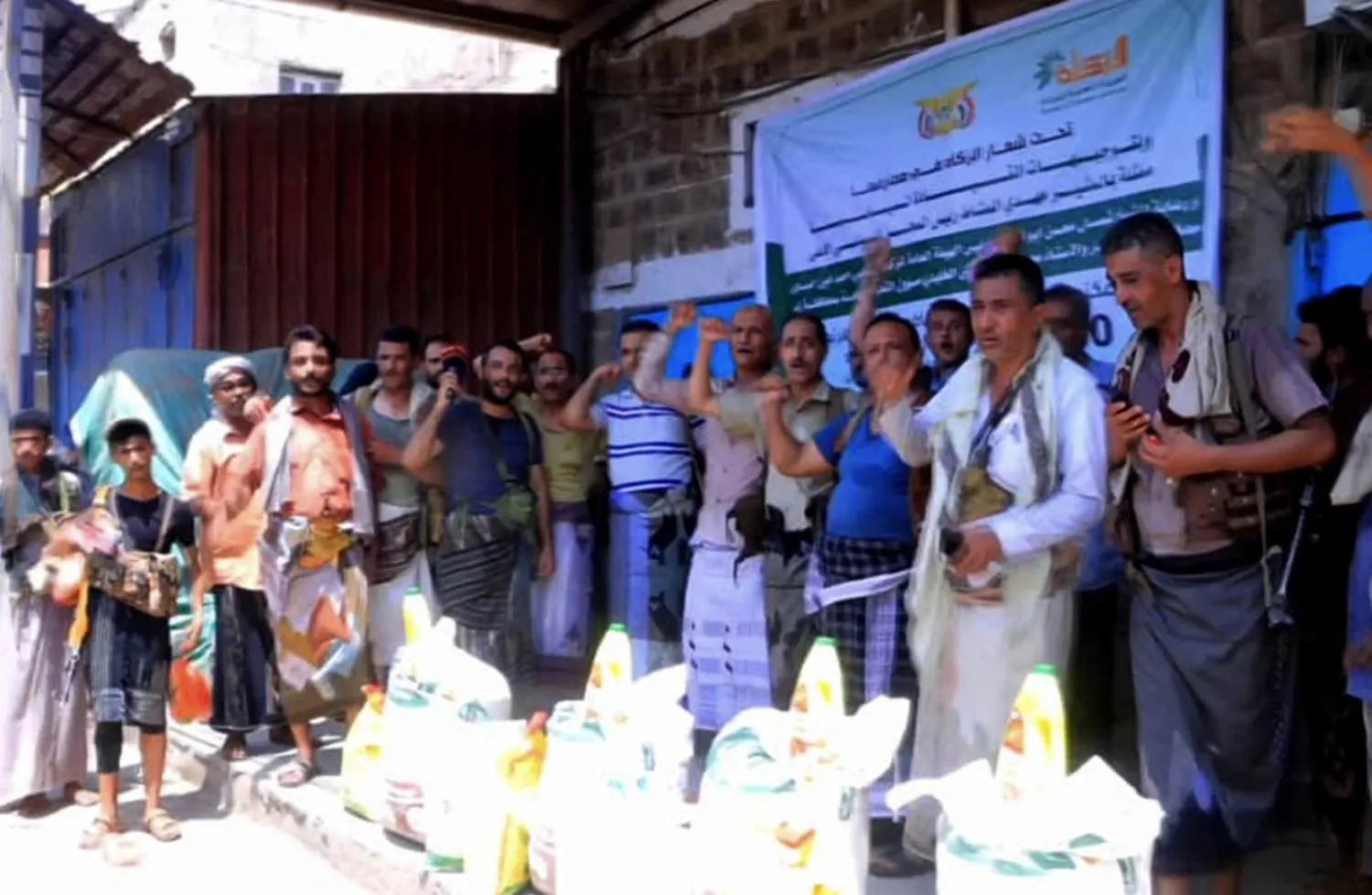
The Houthis seized food aid in Mokha and redistributed it in exchange for loyalty (Houthi media)
TT

Houthis Accused of Stripping Western Yemen of Power Equipment, Property

The Houthis seized food aid in Mokha and redistributed it in exchange for loyalty (Houthi media)

The Houthis have expanded their systematic seizure of public and private property in areas under their control along Yemen’s western coast, including Hodeidah province and parts of Taiz, according to local sources, who accuse the group of treating cities and public facilities as spoils to be transferred to their strongholds.

The latest reported seizures involved equipment and solar panels from two power stations in the Hays and Al-Khawkhah districts of Hodeidah province. The installations were dismantled and their components transported to Saada, the group’s main stronghold, depriving thousands of residents of electricity and worsening hardship amid deteriorating services and high temperatures in coastal areas.

Informed sources told Asharq Al-Awsat that Gharsan al-Matari, a Houthi leader acting as Hodeidah’s electricity director, instructed members of the group several days ago to dismantle both solar power systems and transport all their components, equipment and technical supplies to Saada aboard large trucks.

The two installations had supplied approximately 20 megawatts of electricity, helping power homes and ease hardship for residents, particularly in coastal communities where temperatures are high.

According to the sources, the incident reflects a broader pattern of seizures targeting public utilities and private property in areas brought under Houthi control.

Other service infrastructure, equipment and networks are also being dismantled and transferred to Saada and Sanaa rather than remaining in the communities they were intended to serve, they added.

An economy of spoils

Activists from Hodeidah described the transfer of electricity equipment from Hays and Al-Khawkhah as an example of what they called an “economy of spoils,” accusing the Houthis of treating areas under their control as sources of assets to be appropriated.

Residents are paying the price through the loss of essential services, they argued, while resources are concentrated in the group’s centers of power.

In the coastal district of Mokha, local sources reported continuing seizures and looting that began within hours of the Houthis taking control of the city, targeting homes, government facilities, humanitarian organizations and charitable associations.

Sources told Asharq Al-Awsat that Houthi members raided dozens of houses and apartments, particularly in the Al-Hali neighborhood and December 2 City, removing furniture, household appliances and other belongings before loading them onto trucks and transporting them out of the city.

Government premises were also targeted, including the local authority headquarters and the city’s branch of the Central Bank of Yemen.

The reported looting extended to commercial establishments.

Eyewitnesses recounted seeing Houthi patrols repeatedly transporting food supplies and consumer goods from wholesale stores in central Mokha to locations outside the city.

Local activists indicated that the seizures took place under the supervision of unidentified individuals believed to be linked to the group’s security and intelligence agencies.

Shops broken into in Al-Turbah

In Al-Turbah, the administrative center of Al-Shamayatayn district in southwestern Taiz province, local sources accused the Houthis of following the same pattern, targeting government institutions, private homes and figures associated with the Yemeni government.

Several shopkeepers closed their businesses as the group entered the city, fearing looting. But residents reported that some of the shuttered premises were forcibly broken into.

According to their accounts, Houthi members broke down the doors of several shops and seized merchandise, apparently in retaliation for the owners’ decision to close their businesses during the group’s entry into the city.

The successive incidents point to what residents and activists describe as a recurring pattern of seizures extending beyond damage directly caused by fighting.

They accuse the Houthis of stripping cities of essential infrastructure and economic assets and transferring them to areas under the group’s control, further undermining public services and worsening living conditions.